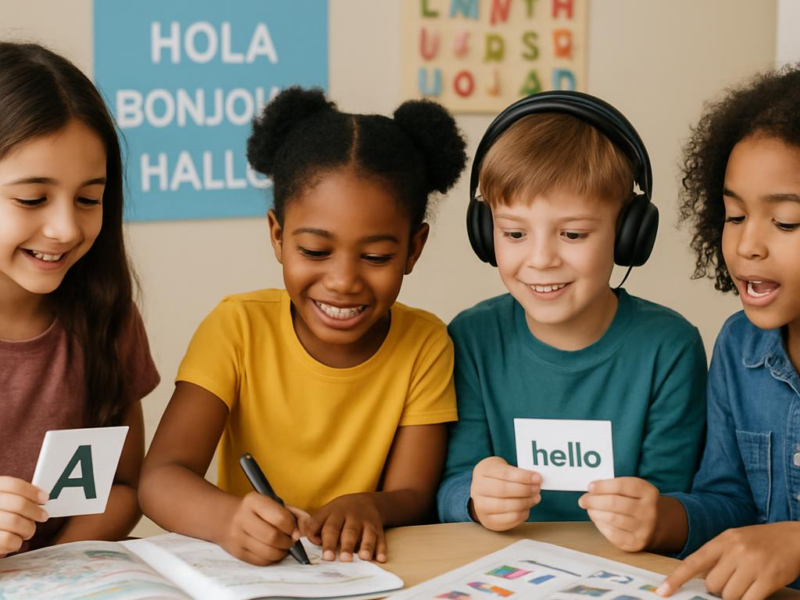

Poland has become a promising destination for expatriates and their families, with its growing economy and rich cultural heritage. As families move to this vibrant country, one of their primary concerns is ensuring a high-quality education for their children. International schools in Poland offer a solution, providing a diverse and inclusive learning environment where students can thrive academically and socially. These schools cater to various educational curricula and support a range of languages, easing the transition for children from different educational backgrounds. With numerous options available across the country, navigating the map of international schools in Poland can be overwhelming. This comprehensive guide aims to simplify that process by examining the key aspects of international education in Poland and exploring what makes each school unique. Understanding the array of options, including factors such as curriculum, language support, and extracurricular opportunities, can help families make informed decisions for their children’s future.
Understanding the Landscape of International Schools in Poland
In recent years, the number of international schools in Poland has seen significant growth. This expansion reflects the country’s increasing importance on the world stage as a hub for business and diplomacy. International schools in the region vary widely in terms of their educational offerings and community ethos. Most are concentrated in major cities, such as Warsaw, Kraków, and Wrocław, although options do exist in smaller locales.
Types of Curricula Offered
International schools across Poland generally offer a breadth of curricula tailored to diverse educational needs. Among the most popular curricula are:
- International Baccalaureate (IB): Known for its broad, hotly challenging curriculum, the IB program is widely recognized by universities across the globe.
- British Curriculum: Often favored by expatriates from the United Kingdom, this curriculum offers familiarity and consistency for British expatriates.
- American Curriculum: Based on the US education system, this curriculum typically offers a flexible approach to learning, with a focus on critical thinking and creativity.
Choosing the right curriculum is essential as it can influence a child’s education path and university opportunities. Parents should carefully consider their long-term plans and opt for a curriculum that aligns with their child’s academic strengths and career aspirations.
Key Factors to Consider When Choosing an International School
When selecting an international school in Poland, several factors come into play. These include accreditation, faculty qualifications, facilities, and the school’s reputation. Accreditation ensures that schools meet international standards, providing peace of mind that the education delivered is recognized worldwide. Research the faculty and speak to current parents to gauge the teaching quality, as this plays a crucial role in a student’s learning experience.
It is also important to consider the diversity and inclusivity of the student body. A diverse school environment enriches the educational experience, offering students a broader perspective and helping them develop socially. Furthermore, a strong emphasis on inclusivity ensures students feel welcome and integrated into their new environment, which contributes to their overall well-being.
Language Support and Extracurricular Opportunities
Many international schools provide robust language support programs to assist non-native speakers in mastering the language of instruction, whether it’s English, Spanish, or another language. These programs typically feature personalized language classes and peer-buddy systems to help ease the transition.
Beyond academics, extracurricular activities play an essential role in a child’s development. Extracurricular programs often include sports, the arts, and clubs focused on diverse interests like coding, robotics, or debate. These activities offer students a chance to explore new interests, develop leadership skills, and form meaningful friendships.
Location and Accessibility
The location of an international school can significantly impact a family’s day-to-day life. Schools situated in or near bustling urban areas offer convenience and shorter commutes but may come with higher tuition costs. Conversely, those based in quieter suburbs might be more affordable but may require a longer commute. It’s important to weigh these factors and choose a school that aligns with your family’s lifestyle and daily routine.
The safety and security of the location must also be considered. It is advisable to visit the school and explore the surrounding area to ensure it meets your family’s comfort and safety standards.
Community and Parental Engagement
International schools typically foster a strong sense of community and encourage parental involvement. This aspect is vital for networking and support, especially for expatriate families adjusting to a new country. Look for schools that host events, offer parent-teacher associations, and create opportunities for families to connect and collaborate.
Parental engagement plays a crucial role in a child’s education, providing a supportive ecosystem for learning and nurturing the whole child. Schools with transparent communication channels and regular updates on academic progress help parents stay informed and actively involved in their child’s learning journey.
The Enrollment Process
The enrollment process for international schools in Poland can be competitive. It’s advisable to start the application process well in advance of the academic year, as schools often have limited spots available. Gather required documents, such as academic records, letters of recommendation, and proof of residence, to streamline the application.
Moral development is not to be overlooked. Consider whether the school emphasizes character education or offers opportunities for community service. These elements foster empathy, responsibility, and civic awareness, essential qualities for developing well-rounded global citizens.
International schools often conduct interviews or assessments to better understand the applicant’s needs and fit for the school’s program, offering a chance for both the school and family to ascertain alignment of educational goals.
The Financial Aspect
The financial consideration is paramount in choosing the right international school. Tuition fees can vary widely based on the school’s location, facilities, and reputation. Some schools may offer scholarships or financial aid programs to support families, so it’s worth inquiring about these options when evaluating the overall cost.
A thorough understanding of what is included in the tuition fee is important. Some schools cover textbooks, uniforms, meals, and extracurricular activities within the fee, while others may charge these separately. Being clear about the total cost upfront helps families plan their budget effectively.
Finally, whenever possible, engage with the alumni network or attend open days to gather firsthand insights and reassure your choice. The alumni’s success stories and their genuine experiences often offer a clear picture of the school’s impact.