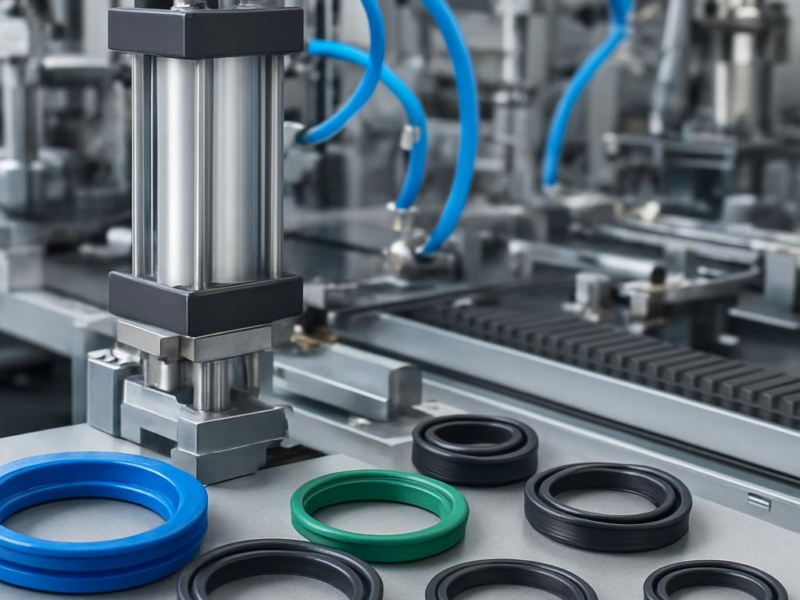
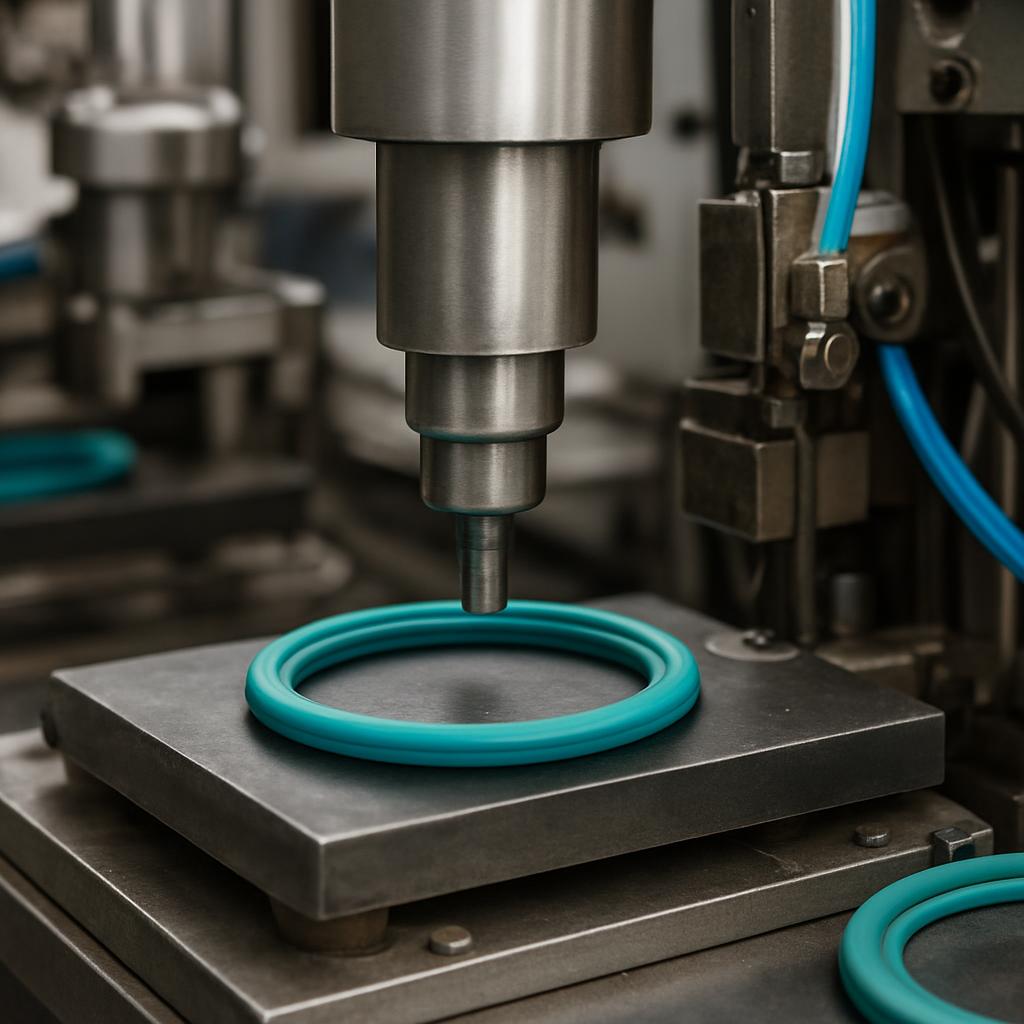
Silicone o-ring cord are an extremely versatile sealing solution, ideal for use in various machines and devices, particularly in the food and pharmaceutical industries, due to their resistance to extreme temperatures and compliance with FDA requirements. The ability to quickly produce a custom-sized seal directly at the facility helps optimise maintenance costs and minimise machine downtime.
What are silicone cords used for in sealing applications?
Silicone cords are widely used for sealing applications in industrial environments where traditional gaskets do not meet the required operating conditions. Thanks to their flexibility and resistance to extreme conditions, these cords are ideal for machines operating in cold-storage facilities and industrial ovens. One example is food-processing machinery, which requires seals that comply with strict health and hygiene standards.
Why are silicone cords a preferred solution in industry?
Silicone cords are preferred in industrial applications because of their exceptional flexibility and resistance to various substances, including vegetable and animal oils. When manufactured from materials compliant with FDA requirements, they can be safely used in the food and pharmaceutical industries. For example, they may be used to seal machine covers, inspection hatches and equipment housings.
What are the main physical properties of silicone cords?
The main physical properties of silicone cords include a hardness range of 60–70 Shore A and excellent resistance to ageing. This hardness provides an effective balance between sealing performance and resistance to permanent deformation. These properties make silicone cords particularly suitable for static sealing applications while reducing the risk of premature seal failure.
When should silicone cords be used for sealing?
Silicone cords should be used when both flexibility and resistance to extreme temperatures are required, for example in industrial ovens or cold-storage facilities. Their ability to retain their shape and properties under demanding operating conditions makes them a suitable choice for these applications. They can also be used in medical equipment that requires seals capable of withstanding high-temperature cleaning or sterilisation processes.
At what temperatures do silicone cords retain their properties?
Silicone cords retain their properties across a wide temperature range, typically from -60°C to +230°C. This makes them an effective solution for industrial applications exposed to extremely low or high temperatures. Their stability within this range means that they are commonly used in many sectors, including the food-processing, pharmaceutical and medical industries.
| Property | Value |
|---|---|
| Temperature range | -60°C to +230°C |
| Hardness | 60–70 Shore A |
| Resistance to chemicals | Yes |
| Compliance with FDA requirements | Yes |
How quickly can a seal be made using silicone cord?
A seal made from silicone cord can be prepared quickly, significantly reducing machine downtime. By joining the ends with a suitable cyanoacrylate adhesive, a production facility can create seals with non-standard dimensions without waiting for a custom-moulded component. This saves time and resources and may improve overall operational efficiency.
Why is resistance to chemicals important?
Resistance to chemicals is important in industrial environments where seals may come into contact with oils, cleaning agents or process chemicals. Silicone cords demonstrate good resistance to many substances, making them a reliable solution for machinery operating in demanding conditions. However, compatibility should always be verified for the specific chemical, concentration, temperature and duration of exposure.
What are the limitations of silicone cords?
Silicone cords have certain limitations, particularly when used in moving machine components, because silicone generally has limited resistance to abrasion and mechanical wear. For this reason, silicone cords are mainly used for static seals, such as covers, doors, inspection panels and housings. Applications involving continuous movement, friction or high pressure may require a different sealing material or a specially designed seal.
How should silicone cords be maintained to extend their service life?
To extend the service life of silicone cords, they should be stored correctly and inspected regularly for signs of damage, hardening, cracking or permanent deformation. Unused cord should be kept in a clean, dry place, away from direct sunlight, excessive heat and substances that may adversely affect the material. Seals installed in machinery should also be checked during routine maintenance and replaced when they no longer provide sufficient compression.
What innovations are being introduced in silicone cord production?
Innovations in silicone cord production include the development of improved material formulations, more precise extrusion processes and advanced joining methods. These solutions make it possible to achieve more consistent dimensions, improved mechanical properties and better adaptation to specific industrial requirements. Manufacturers may also offer silicone compounds designed for particular temperature ranges, hygiene standards or operating environments.
What are the economic benefits of using silicone cords?
Using silicone cords can provide measurable economic benefits. The ability to quickly produce seals of the required size directly at the facility can reduce the costs associated with ordering custom O-rings and minimise downtime caused by waiting for replacement parts. Silicone cord is therefore an attractive alternative when maintenance teams require flexible access to seals in different diameters and circumferences.
What are the alternatives to silicone cords?
Alternatives to silicone cords include sealing materials such as EPDM rubber, nitrile rubber and fluorocarbon elastomers. These materials may be more suitable for applications requiring greater abrasion resistance, improved resistance to particular chemicals or contact with fuels and mineral oils. Each material has its own properties, so the choice should be based on the operating temperature, chemical environment, mechanical load and type of sealing application.
How do silicone cords differ from other sealing materials?
Silicone cords differ from other sealing materials primarily in their ability to remain flexible across a broad temperature range. Compared with many conventional elastomers, silicone performs particularly well at both very low and elevated temperatures. However, it may offer lower resistance to abrasion, tearing and some oils or chemicals than specialised materials such as nitrile rubber or fluorocarbon elastomers. Silicone is therefore a versatile solution, but the material should always be selected according to the actual operating conditions.
What certificates and quality standards apply to silicone cords?
Silicone cords used in demanding industrial applications may be required to comply with specific quality, safety and hygiene standards. Materials intended for contact with food may be manufactured in accordance with relevant FDA requirements or European regulations concerning materials that come into contact with food. Depending on the application, manufacturers may also provide declarations concerning material composition, batch traceability, temperature resistance and compliance with standards such as REACH or RoHS.
It is important to note that compliance applies to a specific silicone compound and product version rather than to all silicone cords in general. Before using a cord in the food, pharmaceutical or medical industry, the purchaser should request the appropriate technical documentation and confirm that the material is approved for the intended application and operating conditions.