Co-extrusion technology enables the production of components combining different materials in a single process, resulting in significant cost savings and high-quality surfaces. It plays a crucial role in industries such as automotive, appliances, and construction, offering enhanced functionality and durability for a range of applications.
How does co-extrusion technology work?
Co-extrusion technology involves simultaneously extruding two or more materials to create composite products. This technology allows manufacturers to take advantage of the unique properties of each material while optimizing production costs. For instance, a rigid PVC can be combined with a flexible TPE to produce parts that are both strong and resistant to environmental factors.
Why is co-extrusion technology important in automotive applications?
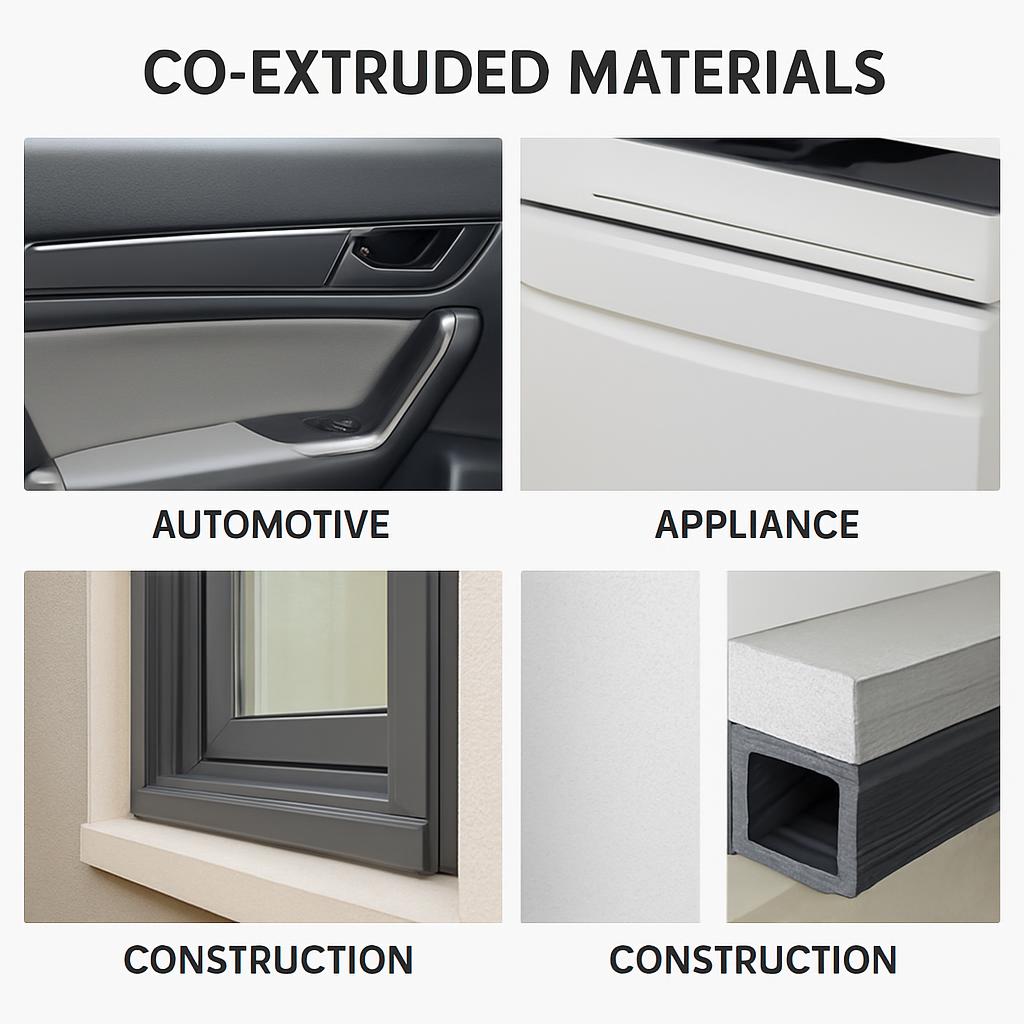
Co-extrusion technology is essential in automotive applications because it allows for the creation of components that can withstand harsh conditions while maintaining aesthetic appeal. Components like body seals and fuel lines benefit significantly from having a chemical-resistant inner layer made of a specialized polymer, while the outer layer provides mechanical strength. This dual-layer approach ensures both longevity and performance in automotive parts.
Which advantages does co-extrusion offer for appliances?
The primary advantage of co-extrusion in appliances is the ability to produce visually appealing and functional components with enhanced barrier properties. For example, refrigerator seals made using co-extrusion benefit from a shiny exterior finish that also adheres to gas barrier standards. Such features improve energy efficiency while maintaining an attractive design.
When is co-extrusion technology utilized in construction?
Co-extrusion technology is utilized in construction when producing window profiles and insulation materials that require enhanced durability and resistance to UV radiation. The standard process includes applying a layer of PMMA over PVC, known as acrylcolor, which helps maintain the color and integrity of the windows in varying weather conditions, especially crucial in Poland’s climate.
How much does co-extrusion contribute to sustainable practices?
Co-extrusion contributes significantly to sustainable practices by allowing the integration of recycled materials within the product structure. By embedding recycled content in the core of products while using virgin polymers for the outer layer, the process promotes a circular economy, reducing waste and resource consumption throughout the lifecycle of materials.
| Industry | Applications | Benefits |
|---|---|---|
| Automotive | Body seals, fuel lines | Chemical resistance, mechanical strength |
| Appliances | Refrigerator seals, housings | High gloss finish, gas barrier protection |
| Construction | Window profiles | UV resistance, color durability |
| Plumbing | Pipes with antibacterial layers | Enhanced hygiene, noise reduction |
In conclusion, co-extrusion technology is a versatile and essential process that provides numerous advantages across multiple industries. It effectively combines materials to improve product performance, enhance aesthetic qualities, and support sustainable practices. For more detailed insights into co-extrusion technology, visit co-extrusion technology.