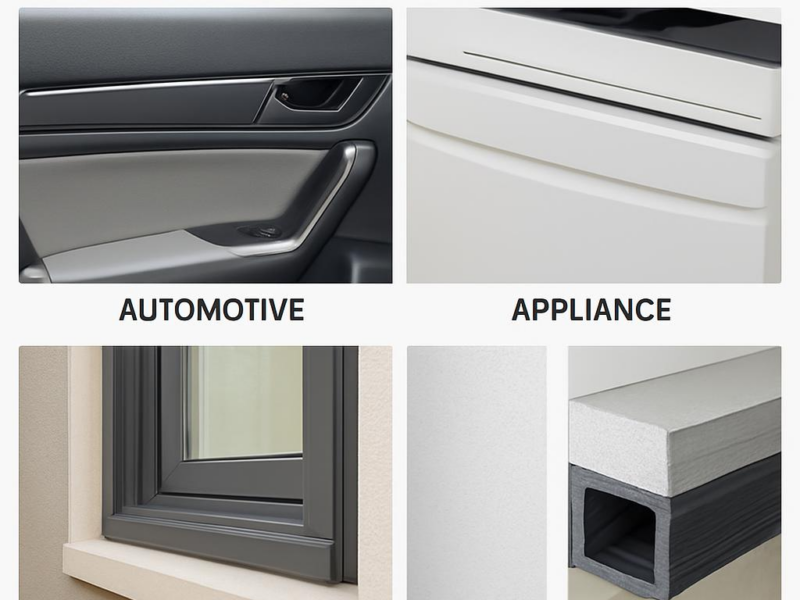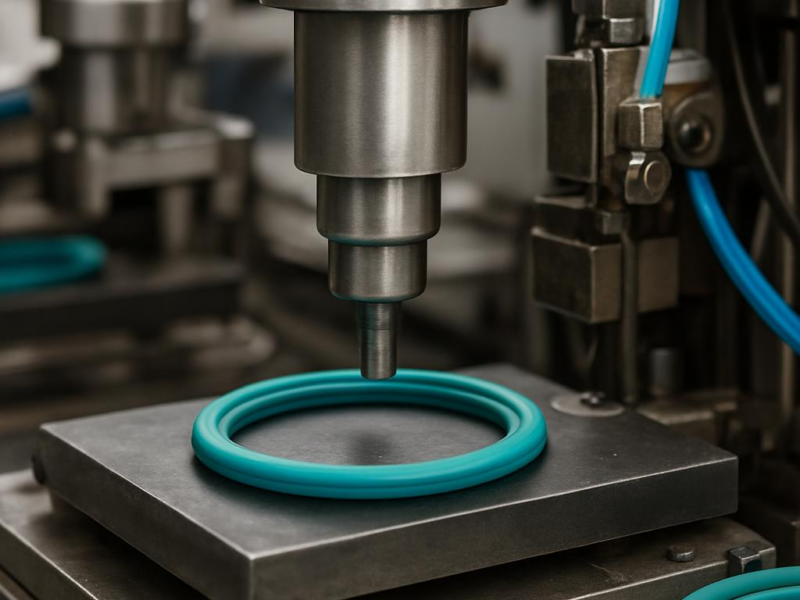
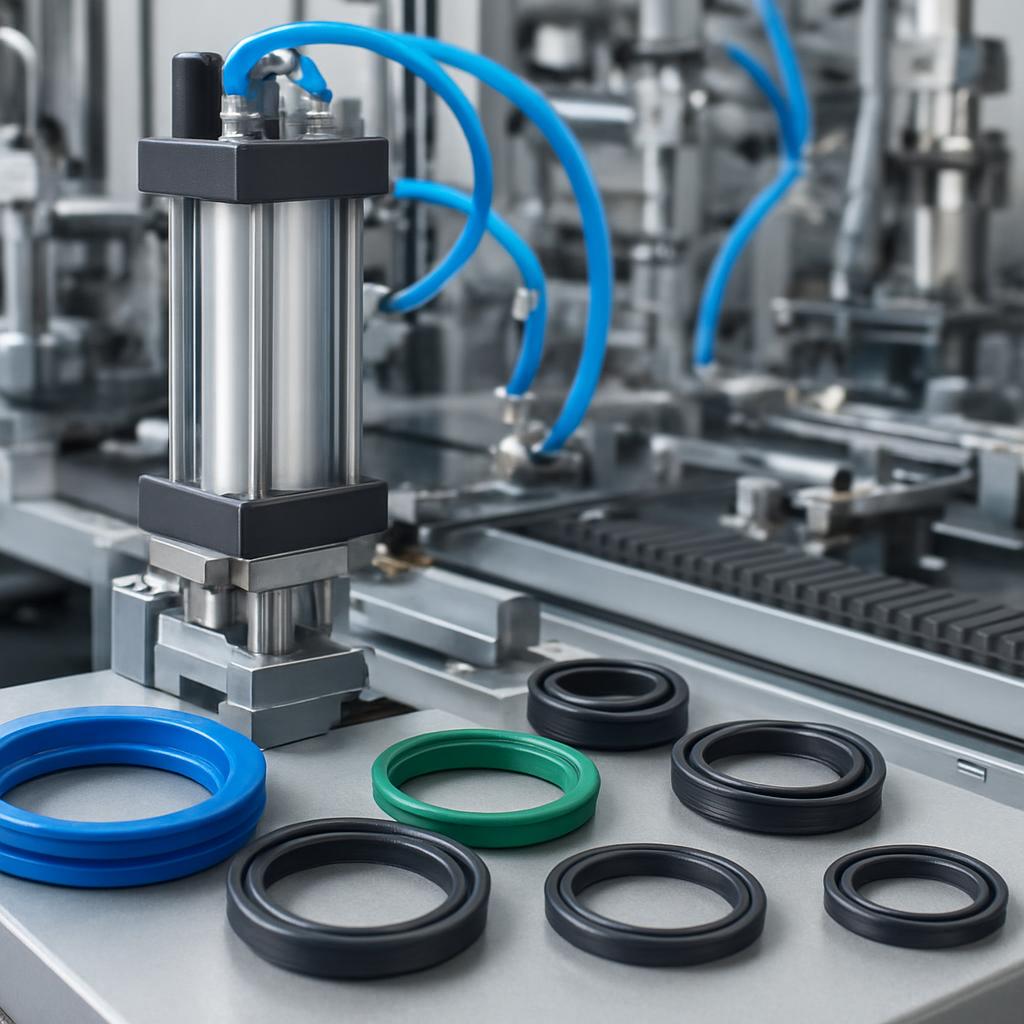
Pneumatic seals are essential in various sectors of the Polish industry, including food, automotive, and pharmaceutical manufacturing, as they help ensure energy efficiency and compliance with strict hygiene standards. Their role in preventing compressed air leaks directly impacts the operational cost and reliability of industrial systems, making them critical components in automated solutions.
How do pneumatic seals impact energy efficiency?
Pneumatic seals play a significant role in enhancing energy efficiency by preventing leaks of compressed air. When air escapes through poorly sealed joints, it results in wasted energy, leading to increased operational costs. In Poland, where energy costs are a concern for industries, investing in high-quality pneumatic seals can drastically reduce this waste. For instance, a single air leak can cost a manufacturing facility thousands of złoty annually.
Why are specific materials chosen for pneumatic seals?
The selection of materials for pneumatic seals is crucial due to varying environmental conditions in which they operate. Materials such as polyurethane (PU), nitrile (NBR), and fluorocarbon rubber (FKM/Viton) offer different advantages depending on factors such as temperature fluctuation and chemical exposure. For example, FKM is essential in high-temperature environments, as it resists degradation from aggressive chemicals, making it suitable for industrial applications in the pharmaceutical sector.
When should businesses consider low-friction seals?
Businesses should consider low-friction pneumatic seals when their applications involve slow-moving mechanisms. These seals are designed to minimize resistance, allowing for smoother operation and reducing the stick-slip effect. This characteristic is particularly beneficial in systems where precision is paramount, such as robotic arms used in assembly lines that require accurate placements without sudden movements.
Which industries benefit most from certified seals?
Industries that are heavily regulated, such as the food and pharmaceutical sectors, benefit significantly from using pneumatic seals with FDA certifications and those resistant to cleaning processes like CIP and SIP. Such seals guarantee compliance with health regulations and durability under strenuous cleaning conditions, ensuring that manufacturing processes remain safe and efficient.
How can proper seal selection extend machine life?
Proper selection of pneumatic seals can significantly extend the mean time between failures (MTBF) of machines. Choosing the right seal based on the specific operational parameters leads to fewer breakdowns and enhanced reliability. For example, using a seal designed to handle high pressure and fluctuating temperatures can prevent premature wear and tear, thereby ensuring continuous production in large facilities.
How do pneumatic seal applications vary?
Applications of pneumatic seals vary widely based on the device they are used in. Key applications include sealing in pneumatic cylinders (both piston and rod seals), control valves, and pneumatic grippers in pick-and-place systems. Each application has unique sealing needs based on the pressures and cycles involved, highlighting the importance of custom solutions in industrial automation.
A comparative overview of common materials used for pneumatic seals can be found in the table below:
| Material | Temperature Range | Chemical Resistance | Applications |
|---|---|---|---|
| Polyurethane (PU) | -30°C to +80°C | Good | General pneumatic applications |
| Nitrile (NBR) | -40°C to +100°C | Moderate | Automotive and aerospace |
| Fluorocarbon (FKM/Viton) | -20°C to +200°C | Excellent | High-temperature and chemical environments |