
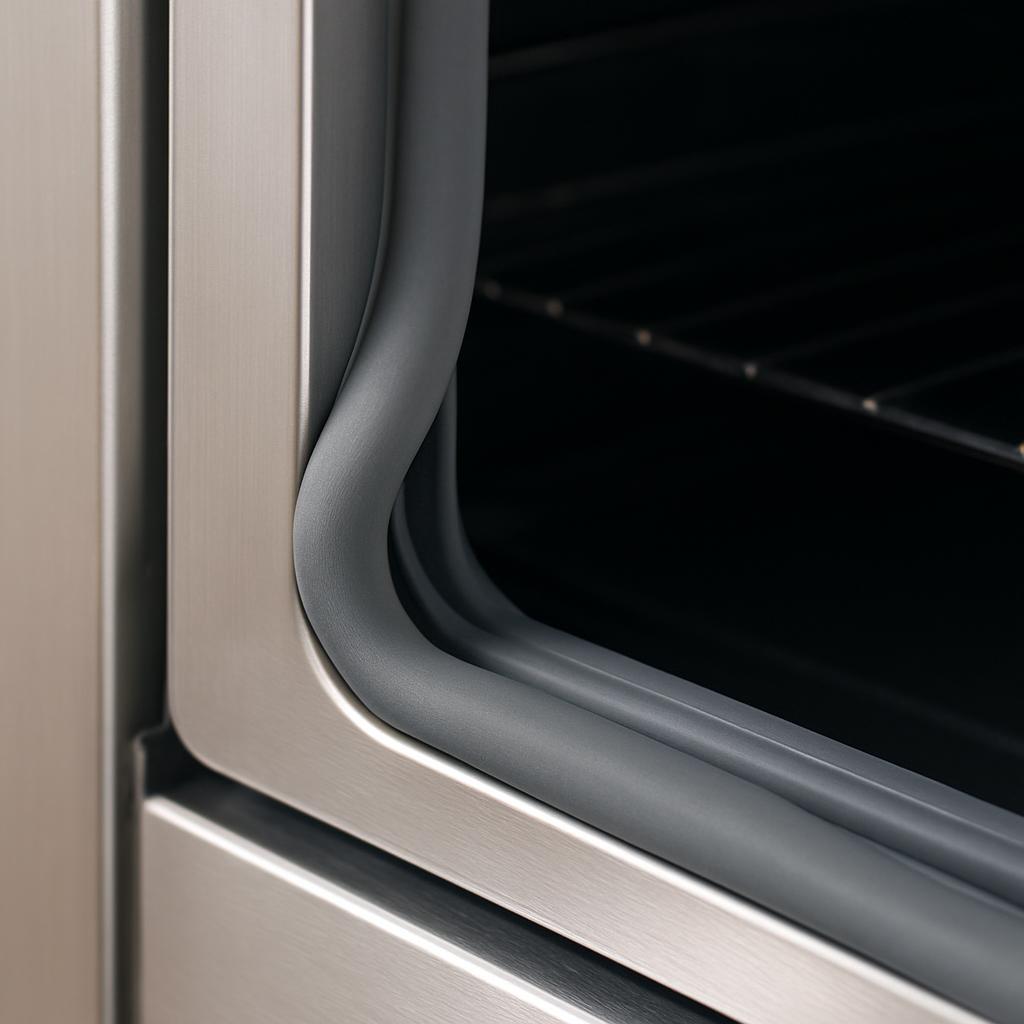
Silicone sponge seals are essential for maintaining temperature and preventing leakage in ovens and various enclosures. They provide excellent thermal resistance, flexibility, and compliance with food safety standards, making them ideal for use in industrial and domestic appliances.
How do silicone sponge seals provide thermal resistance?
Silicone sponge seals can withstand temperatures from -60°C to +230°C, with specialty variants operating up to +300°C. This broad temperature range ensures their effectiveness in extreme thermal environments. For example, in industrial ovens, these seals prevent heat loss, which enhances energy efficiency and maintains consistent temperatures.
Does the structure of silicone sponge affect its moisture resistance?
Yes, the closed-cell structure of silicone sponge seals prevents water, moisture, and oils from being absorbed, ensuring high levels of sealing effectiveness. This characteristic is crucial for maintaining IP ratings, such as IP67, particularly in external enclosures that are exposed to harsh environments. For instance, these seals are used in electronic housings to protect sensitive components from moisture damage.
When do silicone sponge seals return to their original shape?
Silicone sponge seals are designed with low compression set characteristics, meaning they can return to their original shape after repeated compression. This property ensures that seals maintain their effectiveness through repeated openings and closings. For example, in kitchen ovens, after numerous uses, the seals consistently regain their shape, avoiding any loss in sealing capability.
How much do food safety certifications matter for silicone seals?
Food safety certifications, such as FDA compliance or adherence to EU regulation 1935/2004, are critical for silicone seals used in the food industry. These certifications ensure that the seals are safe for direct contact with food, thus preventing contamination. For instance, in bakeries, using FDA-certified silicone sponge seals is essential for compliance with health regulations.
Why are silicone sponge seals more durable than traditional rubber seals?
Silicone sponge seals exhibit superior aging resistance compared to rubber alternatives like EPDM. They are resistant to UV radiation and ozone, preventing cracking and deterioration over time. This durability is particularly beneficial in outdoor applications, where traditional rubber seals would fail, leading to a need for frequent replacements.
Which industries benefit most from silicone sponge seals?
Industries such as food service, automotive, and electronics greatly benefit from silicone sponge seals. Their thermal insulating properties and moisture resistance make them ideal for ovens, automotive gaskets, and electronic enclosures. For example, in the automotive sector, these seals prevent water ingress in vehicle doors, improving overall reliability and longevity.
| Property | Silicone Sponge Seals | EPDM Rubber Seals |
|---|---|---|
| Temperature Resistance | -60°C to +230°C (up to +300°C) | -30°C to +120°C |
| Moisture Absorption | Negligible | Higher absorption |
| Aging Resistance | Excellent (UV and ozone resistant) | Variable (prone to cracking) |
| Food Safety Compliance | FDA, EU 1935/2004 | Limited certification |
Silicone sponge seals are valuable components in a variety of applications, ensuring efficient performance and long-lasting durability. With their unique properties, they are preferred choices for both industrial and residential needs, exemplifying advanced engineering in sealing solutions.