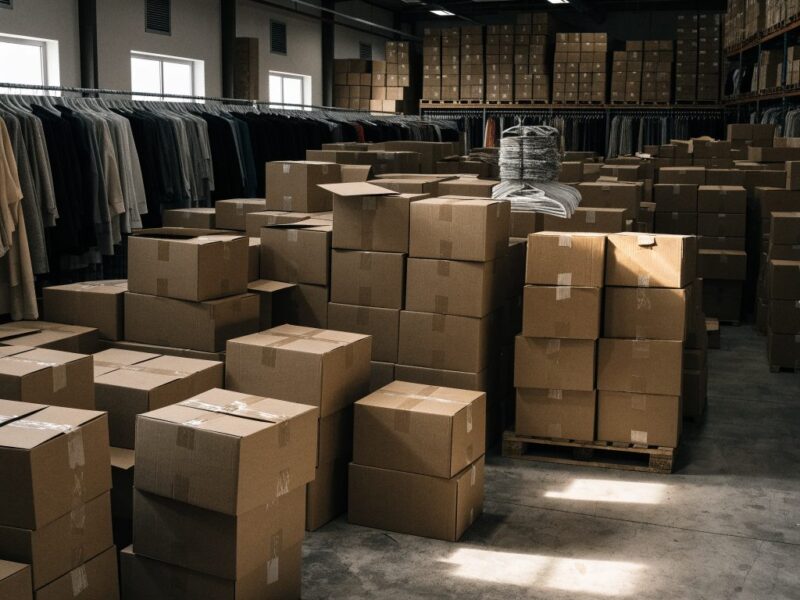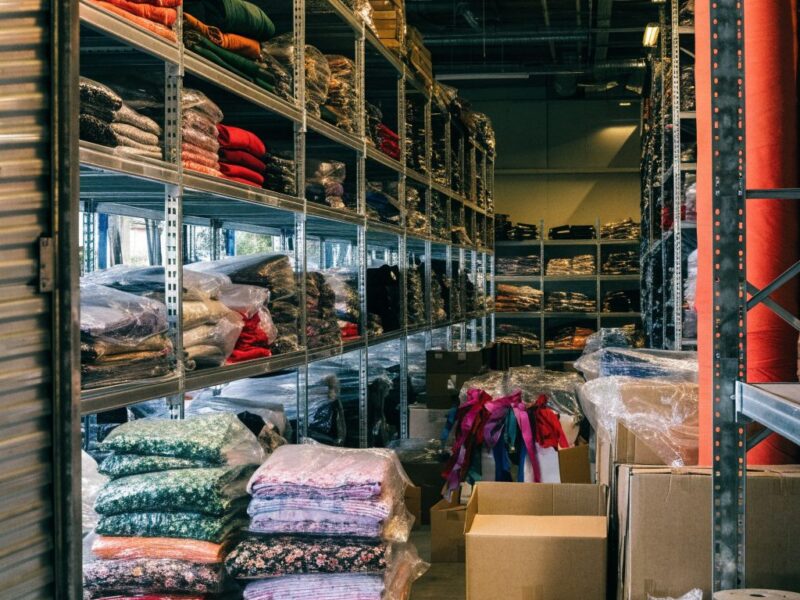

Wholesale outlet stock enables Polish fashion enterprises to achieve high profitability while mitigating financial risks. This approach allows for the procurement of branded clothing at significantly reduced prices, facilitating competitive pricing and superior quality offerings aimed at modern consumers eager for smart shopping options.
How does wholesale outlet stock enhance profitability in the fashion sector?
Wholesale outlet stock enhances profitability by providing businesses with an opportunity to sell high-quality branded merchandise at reduced prices. This model allows retailers to mark up the products significantly while maintaining lower purchase costs, ultimately leading to improved profit margins. For example, businesses can acquire items at discounts ranging from 60% to 90%, enabling them to offer competitive pricing compared to traditional retailers.
Why is wholesale outlet stock essential for risk diversification?
Wholesale outlet stock is essential for risk diversification because it enables retailers to buy assorted product mixes rather than full-size runs. This approach allows businesses to maintain a varied inventory without the financial burden of unsold merchandise from full collections. For instance, boutiques can access package deals that encompass various sizes and styles, thereby mitigating the risks associated with seasonal demand fluctuations.
When can businesses tap into premium brands through wholesale outlet stock?
Businesses can tap into premium brands through wholesale outlet stock when they utilize authorized channels that permit the legal sale of luxury labels without stringent distribution agreements. Many Polish companies find that working with outlet wholesalers grants them access to prestigious brands like Tommy Hilfiger and Guess, which would traditionally be out of reach. This accessibility provides a unique selling point, drawing consumers attracted to high-end fashion at bargain prices.
Which sustainability trends are associated with wholesale outlet stock usage?
The usage of wholesale outlet stock aligns with sustainability trends by promoting circular economy practices. By offering unsold stock instead of allowing it to go to waste, businesses can contribute positively to environmental efforts while appealing to eco-conscious consumers. This marketing strategy leverages the increasing consumer preference for sustainable shopping choices, making the brand more attractive to today’s market.
How does reduced entry cost influence financial liquidity for retailers?
Reduced entry costs from wholesale outlet stock significantly influence financial liquidity by enabling retailers to invest less capital in their inventory. This allows for quicker stock turnover and reinvestment into the business, fostering operational agility vital for survival in a challenging economic environment. For example, smaller fashion retailers can fund their operations more effectively during inflationary periods thanks to lower initial inventory costs.
How do seasonal trends affect the timing of wholesale outlet stock offerings?
Seasonal trends affect the timing of wholesale outlet stock offerings by allowing retailers to quickly capitalize on seasonal demand with relevant products just after traditional retail launches. This strategy supports consumers looking for deals, fueling their desire for smart shopping at reduced prices. For example, if a new spring collection debuts in retail stores, an outlet may offer last season’s stock almost immediately, catering to price-conscious shoppers eager to update their wardrobes.
| Benefit | Definition | Example |
|---|---|---|
| High Profit Margins | Ability to mark up significantly due to low purchase costs | Purchasing stock at 60-90% off retail prices |
| Risk Diversification | Buying assorted product mixes to reduce unsold inventory | Offering a variety of clothing sizes and styles |
| Access to Premium Brands | Legal acquisition of luxury brands without strict agreements | Retailing brands like Guess through authorized outlets |
| Sustainability | Promoting circular economy by selling unsold stock | Reducing waste by offering leftover inventory |
| Financial Liquidity | Lower initial investments improve cash flow | Frequent stock rotation with minimal capital |
| Seasonal Relevance | Quick response to market trends by offering recent stock | Timing the sale of winter apparel after the holidays |