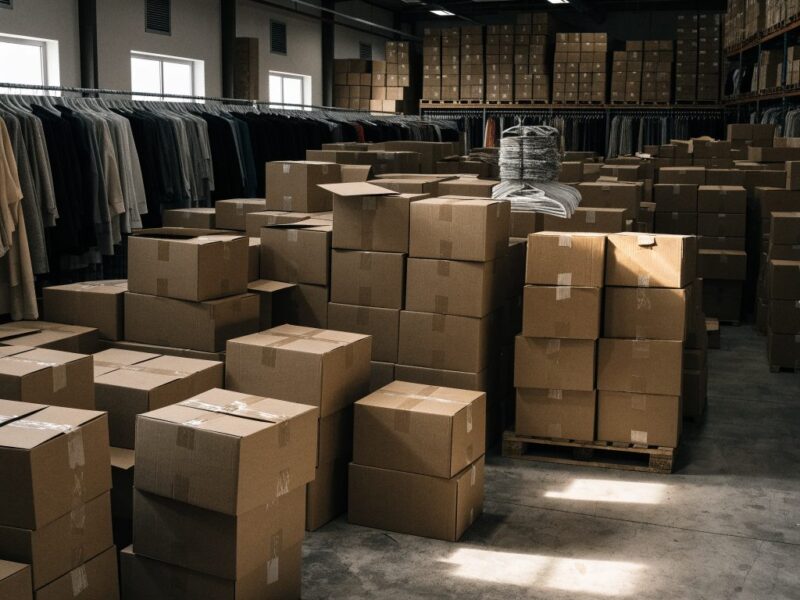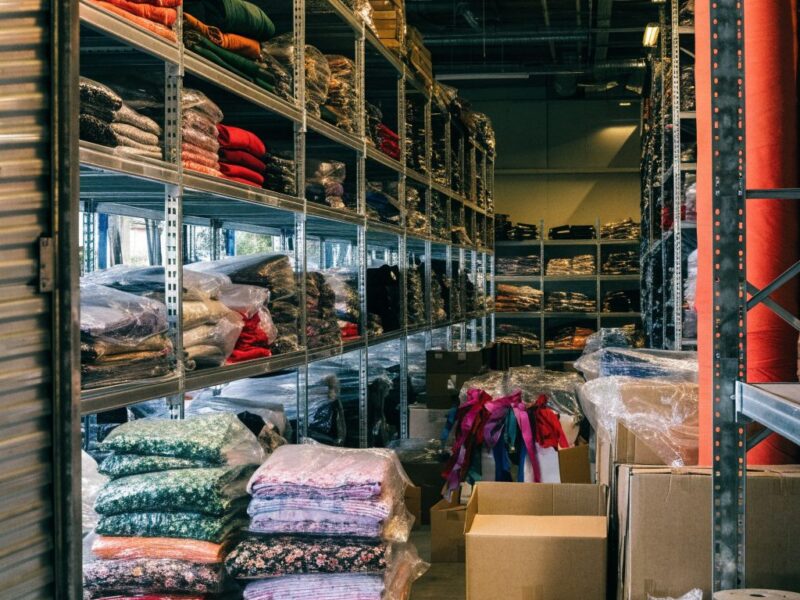
Wholesale purchasing is a key element of the growth strategy for many expanding fashion retailers in Poland. By offering branded products at competitive prices, a retailer can quickly gain market share and appeal to price-sensitive customers. Wholesale stock enables retailers to achieve high profit margins and offers flexibility in responding to trends, which is extremely important in the fast-moving fashion industry.
How does hurt stock enhance profit margins for fashion retailers?
Retailers can achieve gross margins ranging from 50% to 80% through bulk purchasing of stock. This significant margin is crucial for financing growth initiatives and marketing strategies. For instance, a young fashion brand can invest these savings into advertising and customer acquisition, leading to a stronger market presence.
Why is the off-price model growing in Poland?
The off-price model has emerged as one of the fastest-growing sectors in Poland due to its ability to offer discounted brand-name merchandise. This model has been exemplified by successful chains like HalfPrice and platforms like Zalando Lounge. By leveraging hurt stock, retailers can appeal to price-sensitive consumers while maintaining the quality associated with established brands.
When is the best time to purchase hurt stock?
The optimal timing for purchasing hurt stock is immediately after a fashion season ends. At this point, retailers can capitalize on unsold inventory at significantly reduced prices. This approach allows them to stock their stores swiftly without waiting for long production cycles, which can often take between three to nine months.
Which logistical advantages does hurt stock provide?
Hurt stock offers critical logistical benefits, allowing smaller retailers to optimize their supply chain management. Access to large-scale packing technologies and standards enhances efficiency and effectiveness. This means less wasted time and resources while equipping smaller players to compete more effectively in the market.
How does hurt stock contribute to sustainability in fashion?
Utilizing hurt stock plays a significant role in promoting sustainable practices in the fashion industry. With increasing awareness around environmental issues, the circulation of unsold collections through hurt stock is seen as a form of circular economy. This not only prevents waste but also encourages an eco-friendlier approach to fashion retail.
| Aspect | Benefits | Impact |
|---|---|---|
| Profit Margins | 50%-80% | Financing growth and marketing |
| Market Response | Quicker inventory turnover | Better trend alignment |
| Logistics | Efficient supply chain | Enhanced competitiveness |
| Sustainability | Promotes circular economy | Reduced waste |
How can retailers effectively mix hurt stock with their own collections?
Retailers can diversify their offerings by intermingling hurt stock with their proprietary lines. This strategy not only attracts more traffic to their online stores but also builds brand reputation. By blending affordable high-quality items with their collections, retailers appeal to a broader audience while mitigating the risks associated with self-produced goods.
Why do smaller retailers benefit from hurt stock?
Smaller retailers benefit greatly from hurt stock as it allows them to reduce financial risk while accessing premium products at lower prices. This strategic move can help them maintain a competitive edge against larger counterparts by offering similar brand names at less expensive rates, thereby increasing customer loyalty.
How does hurt stock play a role in e-commerce diversification?
In the realm of e-commerce, hurt stock serves as a crucial tool for risk diversification. By mixing their brand collections with affordable stock from well-known brands, online fashion retailers can attract diverse customer segments. This blend often leads to increased traffic and sales on their e-commerce platforms.