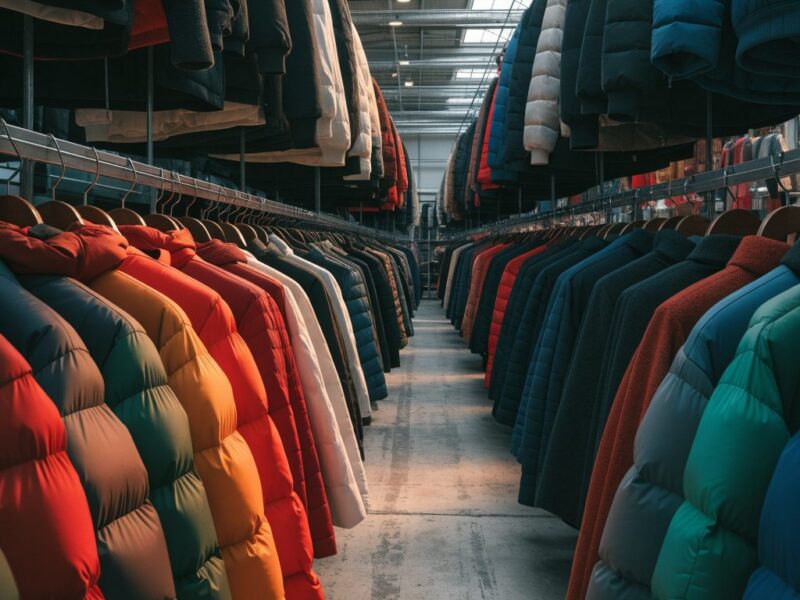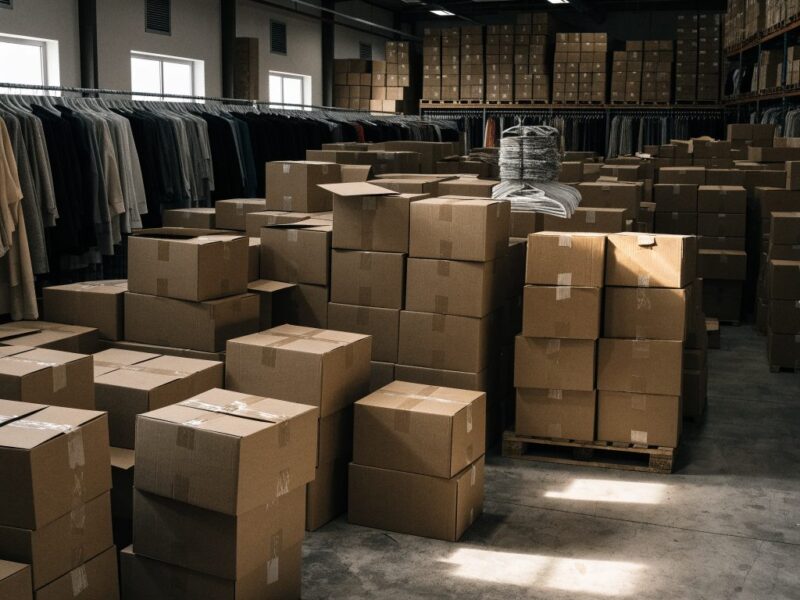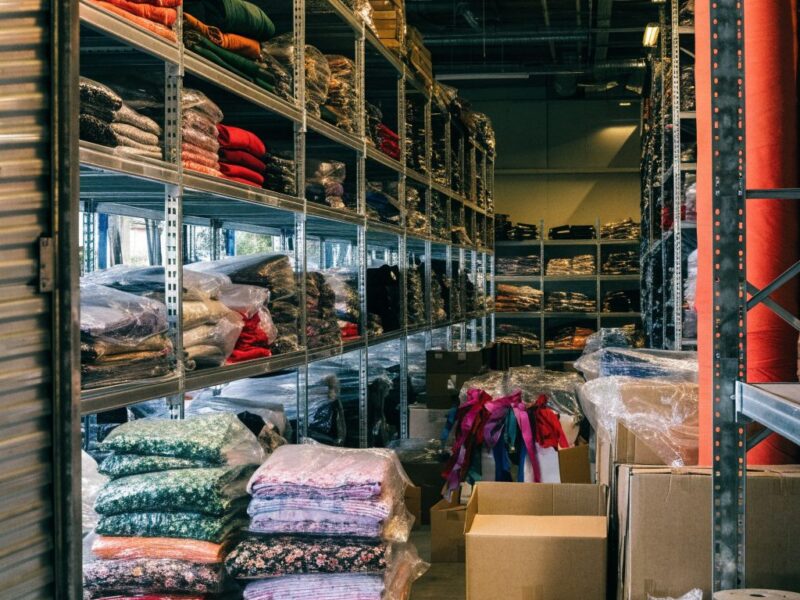
Outlet wholesale clothing and regular wholesale differ significantly in terms of product lifecycle, logistical models, and pricing strategies. Regular wholesale offers a continuous supply of pre-planned collections, while outlet wholesale focuses on selling excess inventory from previous seasons at reduced prices.
How does outlet wholesale clothing differ in product sourcing?
Outlet wholesale clothing primarily sells overstocked goods, end-of-line items, and consumer returns, while regular wholesale sellers offer new collections directly from manufacturers. Regular wholesaling involves pre-ordering and managing inventory for a specific season, ensuring that suppliers have a consistent stream of new products to meet retail demand. In contrast, outlet wholesalers focus on existing inventory, often making substantial discounts available due to the nature of the goods being sold.
Does the size structure of inventory vary between outlet and regular wholesale?
Yes, the size structure of inventory differs significantly between the two models. Regular wholesale typically operates on a full size run basis, providing retailers with each available size of a product. Conversely, outlet wholesale often utilizes mix-pack arrangements, leading to random and incomplete size availability, which can pose challenges for retailers seeking specific sizes for their customers.
When do pricing strategies diverge in these wholesale models?
Pricing strategies diverge sharply, with outlet clothing often being sold at 30% to 80% lower prices compared to regular wholesale. This ability to offer substantial discounts allows retailers to maintain higher profit margins while attracting cost-conscious shoppers. Retailers may thus indulge in pricing flexibility that regular wholesale cannot provide due to the higher cost of upcoming seasonal collections.
How does the continuity of offerings impact retailers?
The continuity of offerings affects retail strategies and stock management significantly. Regular wholesale provides retailers with the assurance of being able to reorder popular items throughout the season, enhancing sales consistency. However, with outlet wholesale, the unique and one-time nature of the stock means that once an item sells out, it is unlikely to be restocked, requiring more strategic purchasing decisions from retailers.
Why is the condition of products different between the two wholesale types?
The condition of products varies greatly, with regular wholesale items being factory fresh and typically well-packaged. In contrast, outlet clothing may sometimes feature items with removed or altered tags as part of branding policies established by manufacturers. This practice aims to protect pricing strategies of full-price retail stores and may affect consumer perceptions regarding quality.
Which wholesale model presents more commercial risk for retailers?
The commercial risk associated with each wholesale model is influenced by market demand and inventory decisions. Regular wholesale carries risks related to forecasting trends for upcoming seasons, potentially leading to unsold stock. Conversely, outlet wholesale allows retailers to purchase products that have already been market-tested, although it also presents challenges in handling less popular sizes or styles that may be harder to sell.
| Aspect | Regular Wholesale | Outlet Wholesale |
|---|---|---|
| Product Sourcing | New collections from manufacturers | Overstock, returns, end-of-line items |
| Size Structure | Full size runs | Mix-packs with random sizes |
| Pricing Strategy | Higher prices with seasonal adjustments | 30% to 80% lower prices |
| Continuity of Offerings | Reorder options available | Unique, one-time supply |
| Condition of Products | Factory fresh | Potentially debranded or altered |
| Commercial Risk | Forecasting sales trends | Buying unsold sizes or styles |
Retailers must carefully consider these differences when deciding between outlet and regular wholesale strategies. Embracing the dynamics of outlet wholesale clothing can lead to attractive pricing and greater margins while navigating the complexities of inventory management.