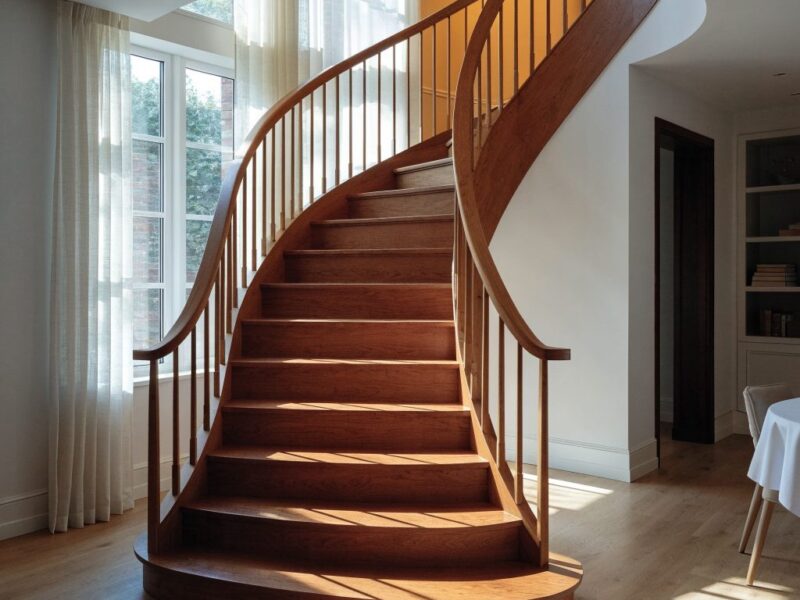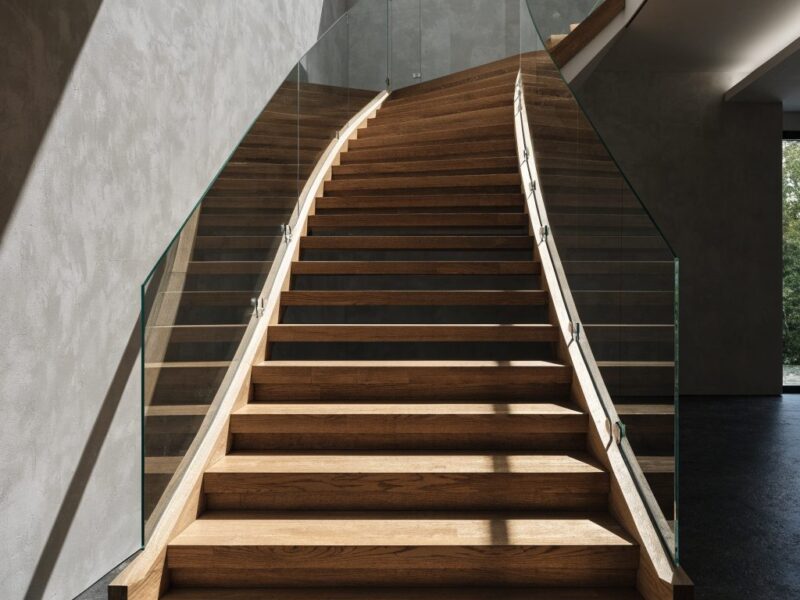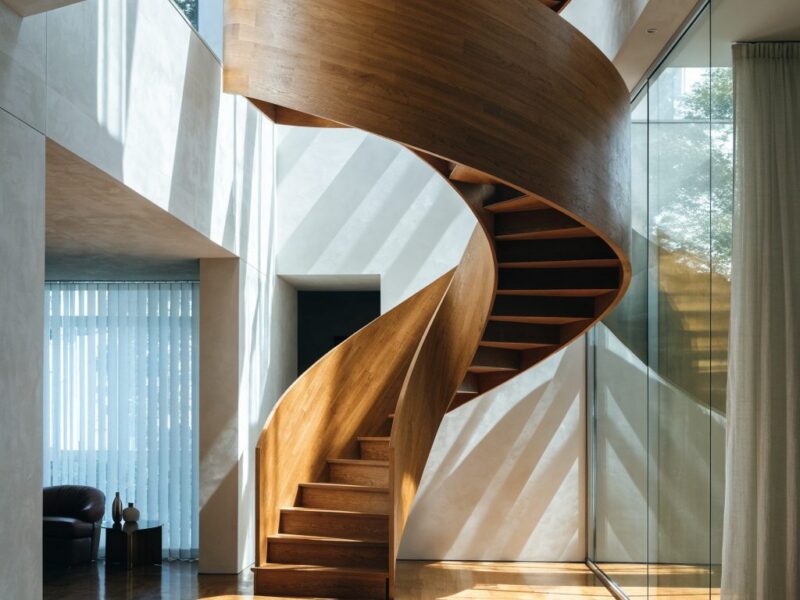
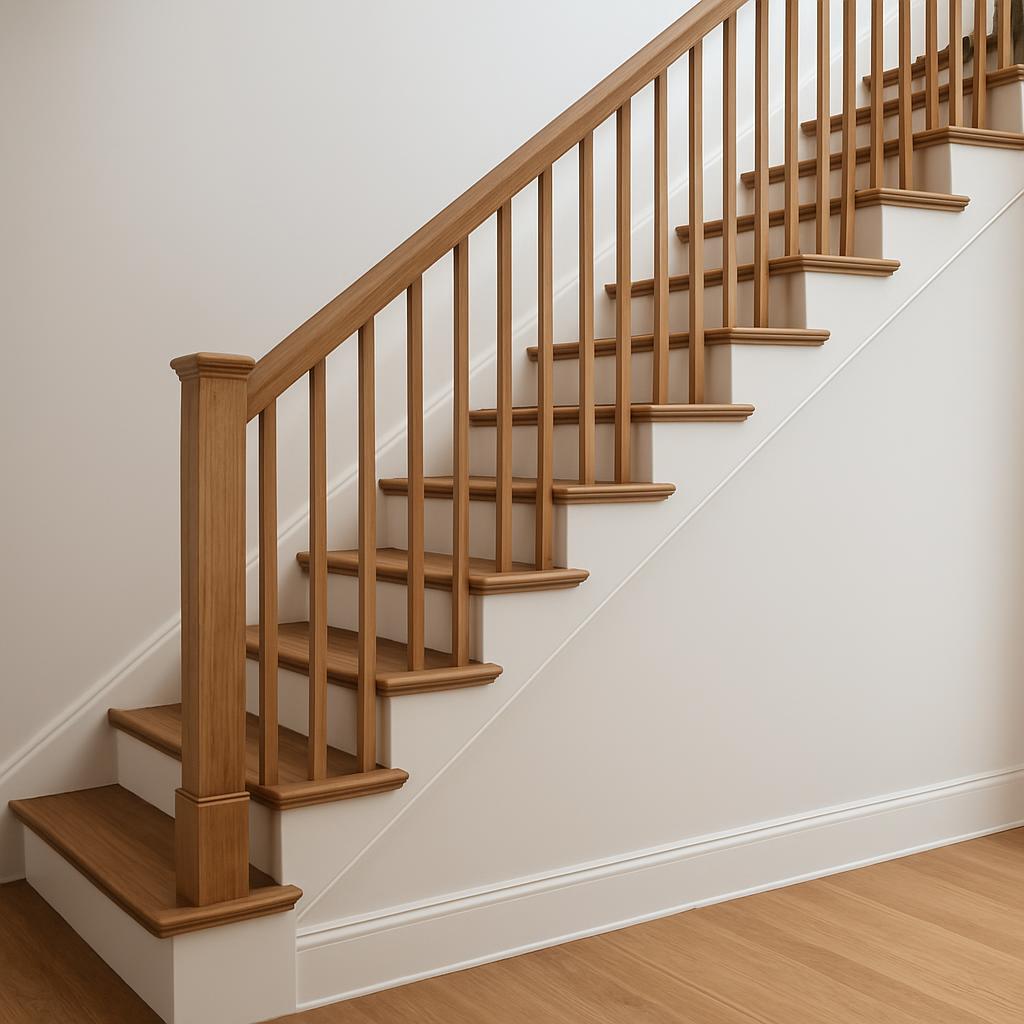
Closed riser stairs offer enhanced safety, effective space utilization, improved cleanliness, and better acoustic performance, making them a popular choice in Polish homes. They not only provide a sturdy foundation but also allow for creative under-stair storage solutions, enhancing both aesthetics and functionality.
How do closed riser stairs enhance safety?
Closed riser stairs significantly improve safety by eliminating spaces that can trap feet or items, reducing the risk of falls. This design choice is especially beneficial for households with children, elderly residents, or pets. For instance, studies indicate that stairs with risers prevent accidents that might occur with open treads, ensuring a secure pathway.
Why are closed riser stairs preferred for space utilization?
Closed riser stairs provide an opportunity for effective space utilization beneath the staircase. The enclosed design allows homeowners to create functional storage spaces, such as closets or shelving, which is particularly valuable in smaller living environments. For example, many Polish homes capitalize on this feature to create additional storage solutions, helping to maintain tidy and organized living spaces.
When do closed riser stairs improve cleanliness?
Closed riser stairs contribute to cleanliness by preventing dust and debris from accumulating under and between the steps. The full riser design acts as a barrier against dirt and spills, making it easier to maintain hygiene in high-traffic areas. This means that regular cleaning requires less effort, as evidenced by homeowners who report lower dust levels in areas with closed riser stairs.
How do closed riser stairs affect acoustic performance?
Closed riser stairs are generally more effective at damping sounds compared to open riser designs. The solid construction reduces noise transmission between floors, creating a quieter home environment. For example, families living in multi-story homes often appreciate the sound insulation properties of closed risers, as they allow for greater privacy and comfort.
Which materials are commonly used in closed riser stair construction?
The most popular materials for closed riser stairs in Poland include hardwoods such as oak and ash, often combined with white MDF or lacquered wood risers. This combination not only enhances durability but also aligns with contemporary design trends, offering a visual balance between natural elegance and modern aesthetics. For instance, many Polish households feature a blend of dark wooden steps with light-colored risers for a striking visual contrast.
| Feature | Closed Riser Stairs | Open Riser Stairs |
|---|---|---|
| Safety | Higher safety for children and pets | More risk of tripping and falling |
| Space Utilization | Can incorporate storage options | No options for under-stair storage |
| Cleanliness | Prevents dust accumulation | More difficult to keep clean |
| Acoustic Performance | Better sound insulation | More sound transmission |
| Material Variety | Wood and MDF combinations | Less variety, typically open designs |
How does the design of closed riser stairs fit into modern aesthetics?
The design of closed riser stairs aligns well with modern aesthetics, especially in Scandinavian-inspired interiors. Incorporating natural wood tones with contrasting white risers offers a stylish and contemporary look while maintaining traditional strength. For example, many interiors benefit from the juxtaposition of heavy wooden steps against lighter risers, creating a visually appealing and cohesive environment.
How much do closed riser stairs cost compared to alternatives?
The cost of closed riser stairs can be higher than that of open riser alternatives due to the materials used and the complexity of construction. However, the investment is justified by the benefits they offer, including increased safety, durability, and functionality. For instance, homeowners may find that the long-term maintenance costs associated with open riser stair designs may outweigh the initial savings.
For more information on closed riser stairs, including design options and installation tips, consider exploring specialized resources.