Understanding co-extrusion and its effective applications can significantly enhance product performance while optimizing manufacturing costs. By delving into material combinations and their benefits, businesses can make informed decisions on implementing co-extrusion processes effectively.
What is Co-Extrusion?
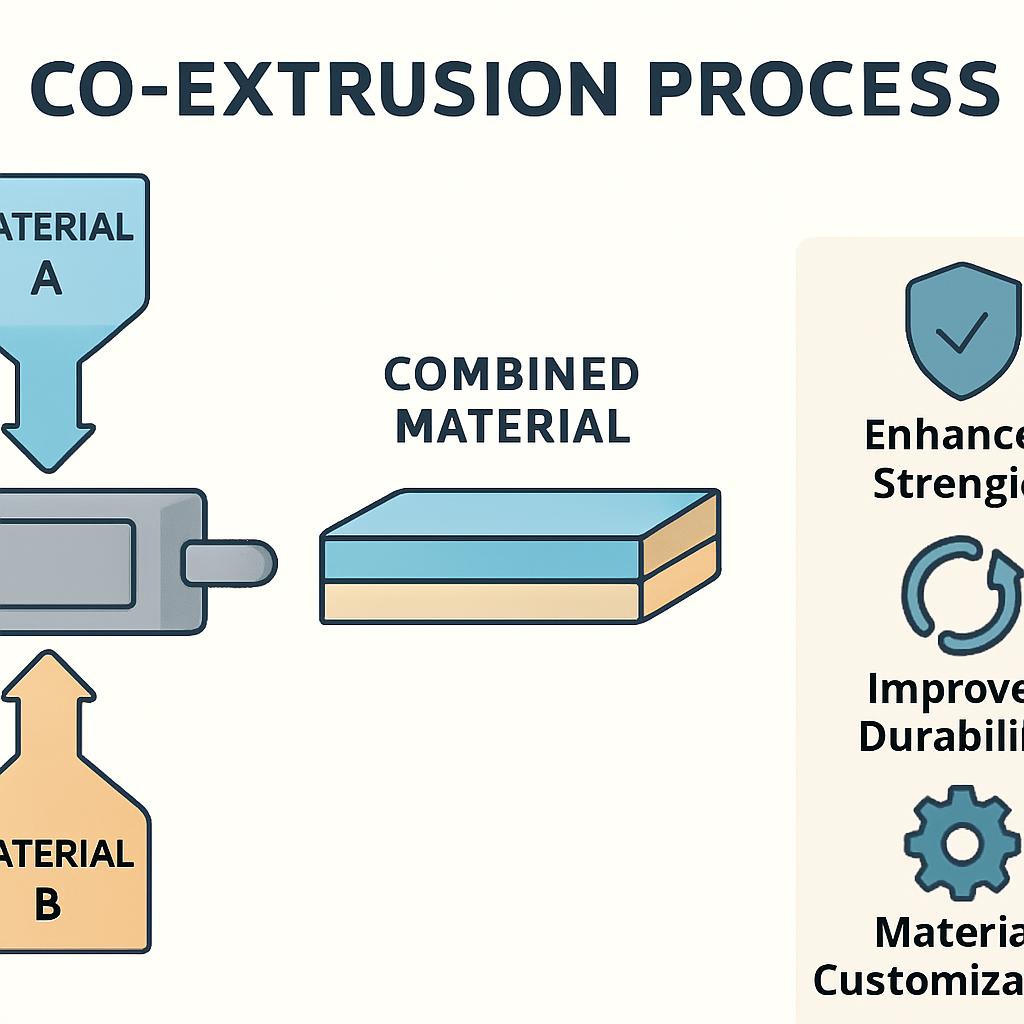
Co-extrusion is a versatile manufacturing process where two or more materials are simultaneously extruded through a single die to form a single profile. This technology is widely used in a myriad of industries, from packaging to automotive and construction. The latest advancements in co-extrusion techniques have opened up new avenues for innovation and customized solutions.
Benefits of Co-Extrusion
The advantages of using co-extrusion solutions are numerous. First and foremost, co-extrusion enables the creation of multi-layered materials that offer distinct physical properties tailored for specific applications. Here are some key benefits:
- Enhanced Product Features: By combining different materials, manufacturers can achieve unique features such as increased barrier properties, improved aesthetic appeal, and enhanced durability.
- Cost Efficiency: Co-extrusion can lead to lower material costs while maintaining high product quality. By utilizing less expensive materials in conjunction with premium materials, businesses can optimize their budgets.
- Waste Reduction: The ability to recycle materials or use less material without sacrificing performance contributes to sustainability efforts and minimizes material waste.
- Streamlined Manufacturing: Co-extrusion eliminates many steps in the production process, which can lead to faster turnaround times and reduced labor costs.
Best Material Combinations for Co-Extrusion
Choosing the right material combinations is crucial for the success of co-extrusion. Here are some of the most effective pairings:
1. PVC and TPE
PVC, being a cost-effective and versatile polymer, pairs well with thermoplastic elastomers (TPEs). This combination provides excellent flexibility while maintaining the durability of PVC, making it ideal for seals, gaskets, and outdoor applications.
2. Polyethylene and EVA
Using polyethylene (PE) with ethylene-vinyl acetate (EVA) can create a superb barrier against moisture and UV rays. This blend is often utilized in packaging solutions where protection and transparency are paramount.
3. Polypropylene and Polystyrene
Polypropylene (PP) combined with polystyrene (PS) offers a good mix of strength and rigidity. This combination is particularly effective in containers and consumer goods where lightweight durability is essential.
When Does Co-Extrusion Pay Off?
Investing in co-extrusion technology can yield significant returns, provided it is implemented in the right circumstances. Here are some scenarios where co-extrusion proves beneficial:
- When Multiple Properties Are Required: If a product needs to exhibit characteristics such as strength, flexibility, and chemical resistance, co-extrusion provides a customizable solution.
- In High-Volume Production: For companies focusing on high-volume manufacturing, the efficiency of co-extrusion can lead to substantial savings in time and costs.
- For Environmentally Conscious Companies: Businesses aiming to reduce their ecological footprint can benefit from cutting down on material waste and using recyclable materials through co-extrusion.
Future Trends in Co-Extrusion
As technology continues to advance, co-extrusion processes are expected to evolve, incorporating newer materials and techniques. Innovations such as 3D printing combined with co-extrusion are on the horizon, offering exciting prospects for customization and flexibility in manufacturing.
Furthermore, research into bio-based and biodegradable materials is becoming increasingly relevant, catering to a green-conscious market. There is a growing need for co-extrusion solutions that not only enhance product performance but also align with sustainable practices.
Understanding how to leverage co-extrusion technology can give companies a competitive edge. By carefully selecting material combinations and considering when the co-extrusion process is most advantageous, businesses can enhance their product offerings and streamline production.
Conclusion
In conclusion, the journey of understanding and applying co-extrusion leads to numerous opportunities for innovation in various industries. Each material combination provides distinct advantages, making it essential for companies to evaluate their specific needs and constraints. By making informed choices, businesses can stay ahead in the competitive landscape while benefiting from cost-effective, high-performance solutions.