
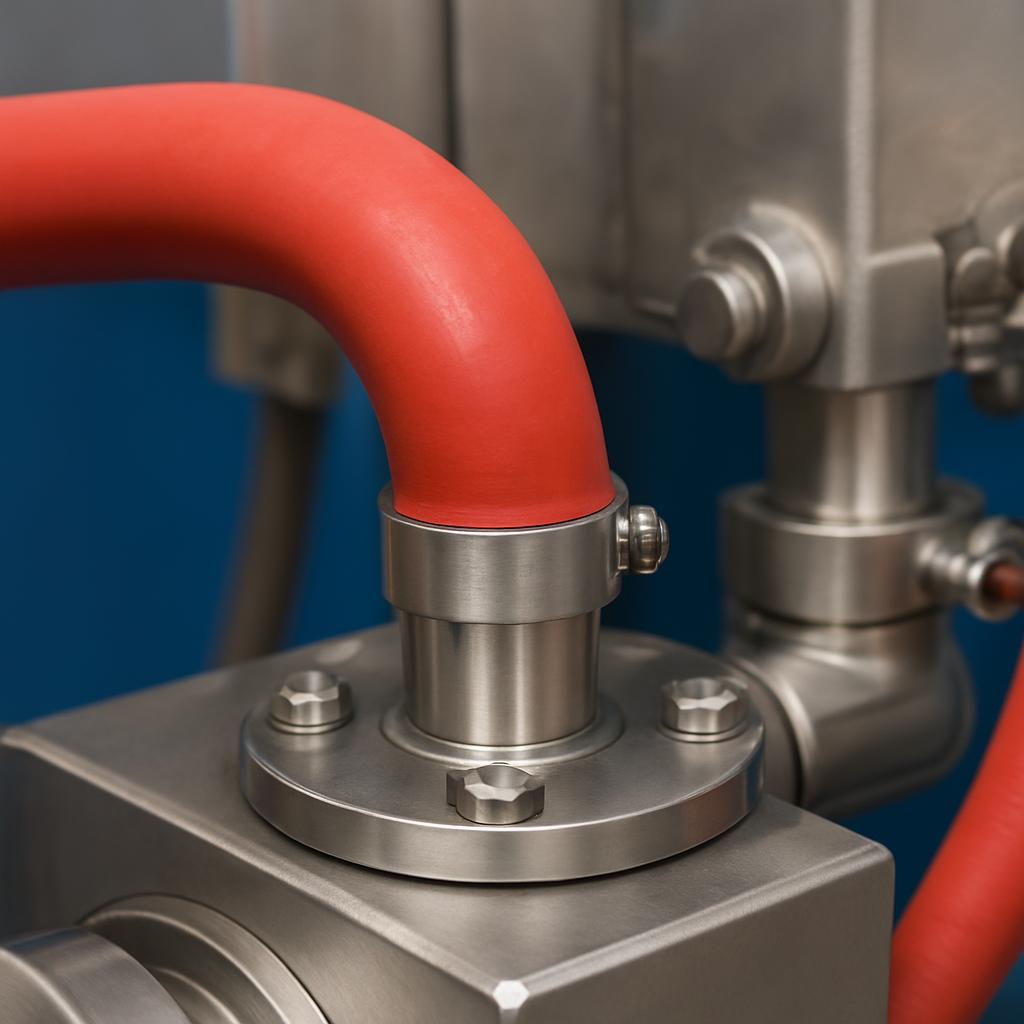
Silicone sponge tubing is the optimal choice for insulation and sealing when high compressibility is required along with extreme thermal and chemical resistance. Their unique properties make them preferable in delicate applications such as electronic enclosures, lighting systems, and food processing equipment.
How does silicone sponge tubing provide effective insulation?
Silicone sponge tubing effectively provides insulation due to its closed-cell structure that prevents moisture, dust, and air infiltration. This unique design leads to excellent sealing properties, making it suitable for diverse applications where insulation is critical. For example, in environments exposed to harsh weather conditions, silicone sponge tubing performs exceptionally well, ensuring protection against external elements.
Why is silicone sponge tubing superior to solid silicone gaskets?
Silicone sponge tubing is superior to solid silicone gaskets primarily because it offers a softer and more compressible sealing solution. This reduced compression set allows it to adapt better to varying pressures without losing its form, making it ideal for fragile applications. For instance, in LED lighting installations, silicone sponge tubing maintains a seal without deforming thin-walled structures.
When is the best time to use silicone sponge tubing in the food industry?
Silicone sponge tubing is best used in the food industry when hygiene and compliance with safety regulations are essential. Its material is non-toxic and can be certified for direct contact with food, ensuring that it meets the strict standards set by regulatory bodies. Many food processing facilities utilize silicone sponge tubing to create seals that maintain sanitary conditions while preventing cross-contamination.
Which environments benefit from silicone sponge tubing’s UV resistance?
Environments exposed to sunlight and outdoor elements benefit greatly from silicone sponge tubing’s UV resistance. This material’s durability against UV radiation and harsh weather conditions makes it ideal for outdoor applications, such as sealing HVAC equipment or control cabinets installed outside. In such scenarios, silicone sponge tubing ensures that the integrity of the equipment and sealing remains intact over time.
How does silicone sponge tubing contribute to sound insulation?
Silicone sponge tubing contributes to sound insulation by effectively damping vibrations and noise due to its pliable structure. This makes it an excellent choice for isolating machinery components, such as those found in HVAC systems or household appliances, where noise reduction is desired. Utilizing silicone sponge tubing in these applications enhances operational comfort by minimizing disruptive sound transmission.
| Property | Silicone Sponge Tubing | Solid Silicone Gaskets |
|---|---|---|
| Water Resistance | Excellent (IP65/66) | Good |
| Temperature Resistance | -60°C to +230°C (up to +300°C for specials) | -40°C to +120°C |
| Compression Set | Low | Higher |
| Weight | Lighter | Heavier |
| Food Compliance | FDA Approved | Not always |
In summary, silicone sponge tubing stands out in the market for its remarkable properties, making it versatile for a myriad of applications, especially in demanding environments requiring resilience and efficiency.