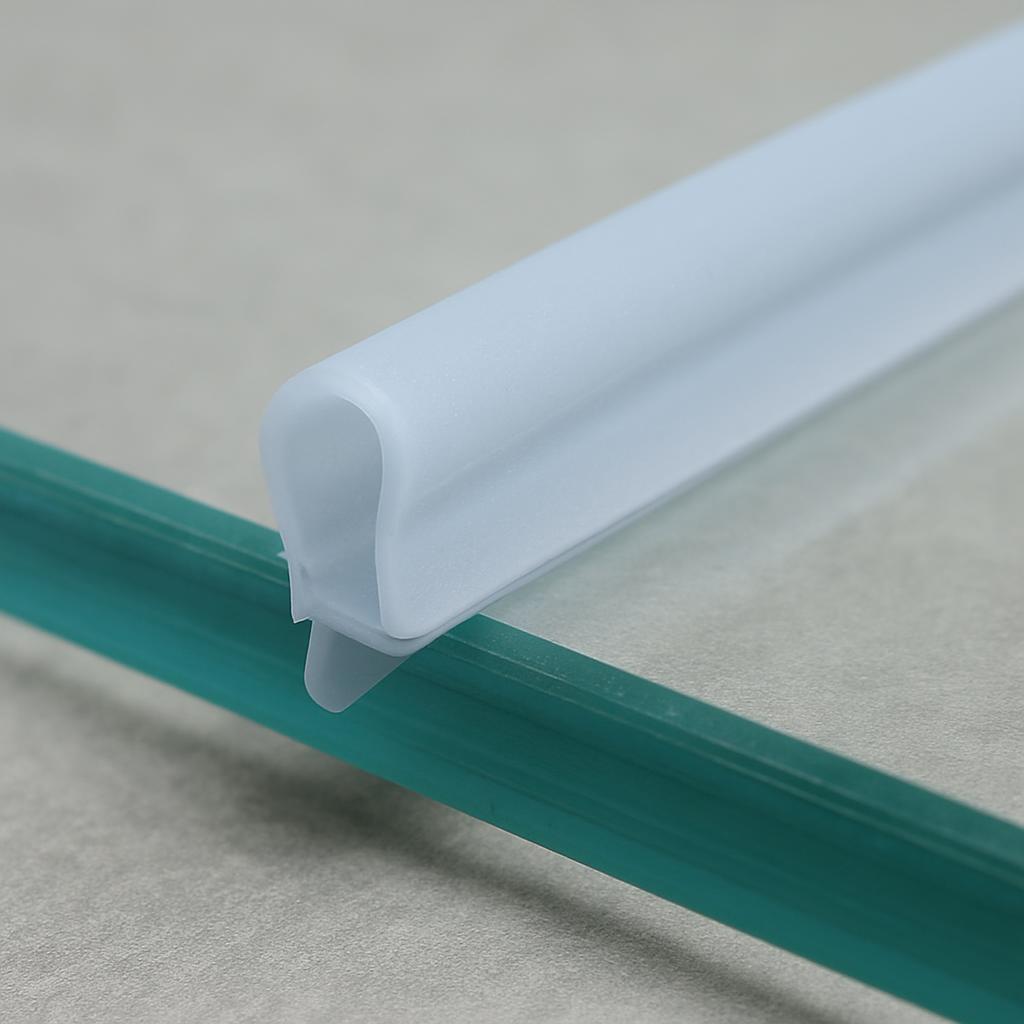
Silicone sealing tapes play a key role in maintaining the long-term energy efficiency of buildings, ensuring continuous airtightness and protection against the elements. Thanks to silicone’s unique properties, such as resistance to temperature fluctuations and long-term deformation, these seals help to reduce maintenance and component replacement costs.
How does silicone sealing strip enhance durability?
A silicone sealing strip enhances durability by maintaining its flexibility in extreme temperature ranges, from -50°C to +200°C. This flexibility prevents cracking in winter and deformation in summer, ensuring long-lasting performance.
In regions with significant temperature fluctuations, like Poland, these properties are essential for preventing leaks and maintaining structural integrity. For example, a silicone seal used in windows can withstand harsh winter conditions without becoming brittle.
Why is low compression set important for sealing strips?
Low compression set is critical because it allows silicone sealing strips to return to their original shape after being compressed, ensuring a tight seal over time. This feature guarantees that the seals do not lose their effectiveness after extended use.
For instance, when a window is closed for an entire winter, a silicone seal can recover its form, thus maintaining insulation against the cold and preventing drafts.
When should silicone sealing strips be used over traditional materials?
Silicone sealing strips should be used over traditional materials when long-term reliability and performance in various environmental conditions are essential. Their resistance to UV radiation and ozone makes them superior, especially in outdoor applications.
An example is a façade exposed to direct sunlight, where silicone seals are less likely to crack compared to rubber, ensuring the building remains well-insulated.
Which properties of silicone prevent mold and moisture buildup?
The hydrophobic properties of silicone prevent mold and moisture buildup by repelling water, which is crucial in damp conditions. This resistance helps maintain clean and healthy environments by reducing the likelihood of mold growth in seals.
For instance, in areas with high humidity, a silicone sealing strip can effectively prevent moisture accumulation, which in turn protects the integrity of the materials it seals.
How does chemical neutrality benefit silicone sealing strips?
Chemical neutrality benefits silicone sealing strips by allowing them to resist reactions with paints and coatings used in window and door systems. This quality prevents discoloration and degradation over time.
For example, in a construction scenario where new paint is applied, silicone seals remain unaffected, maintaining their original appearance and functionality without compromising the aesthetic quality of installations.
| Material | Temperature Resistance (°C) | Compression Set (%) | UV Resistance | Life Span (Years) |
|---|---|---|---|---|
| Silikon | -50 to +200 | < 10 | Tak | 20-30 |
| EPDM/Guma | -40 to +120 | 15-30 | Nie | 5-10 |
| PVC | -20 to +60 | 10-25 | Nie | 10-15 |
How does silicone contribute to energy efficiency in buildings?
Silikonowe taśmy uszczelniające przyczyniają się do efektywności energetycznej w budynkach poprzez eliminację mostków cieplnych i zapewnienie stałej izolacji termicznej. Dzięki swojej elastyczności i odporności na starzenie, umożliwiają oszczędność energii i zmniejszenie kosztów ogrzewania.
Na przykład, zastosowanie tych uszczelek wokół okien przekłada się na niższe rachunki za energię, ponieważ zapobiegają przedostawaniu się zimnego powietrza do wnętrza budynku.