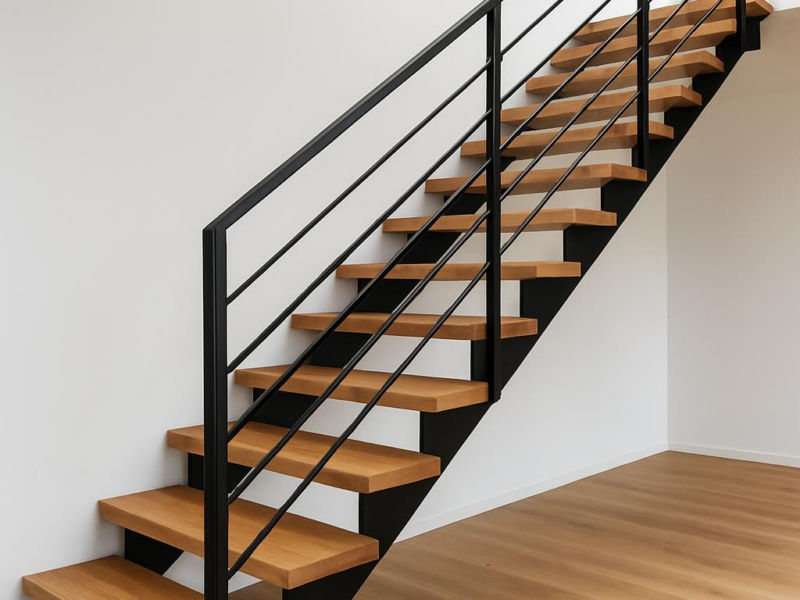
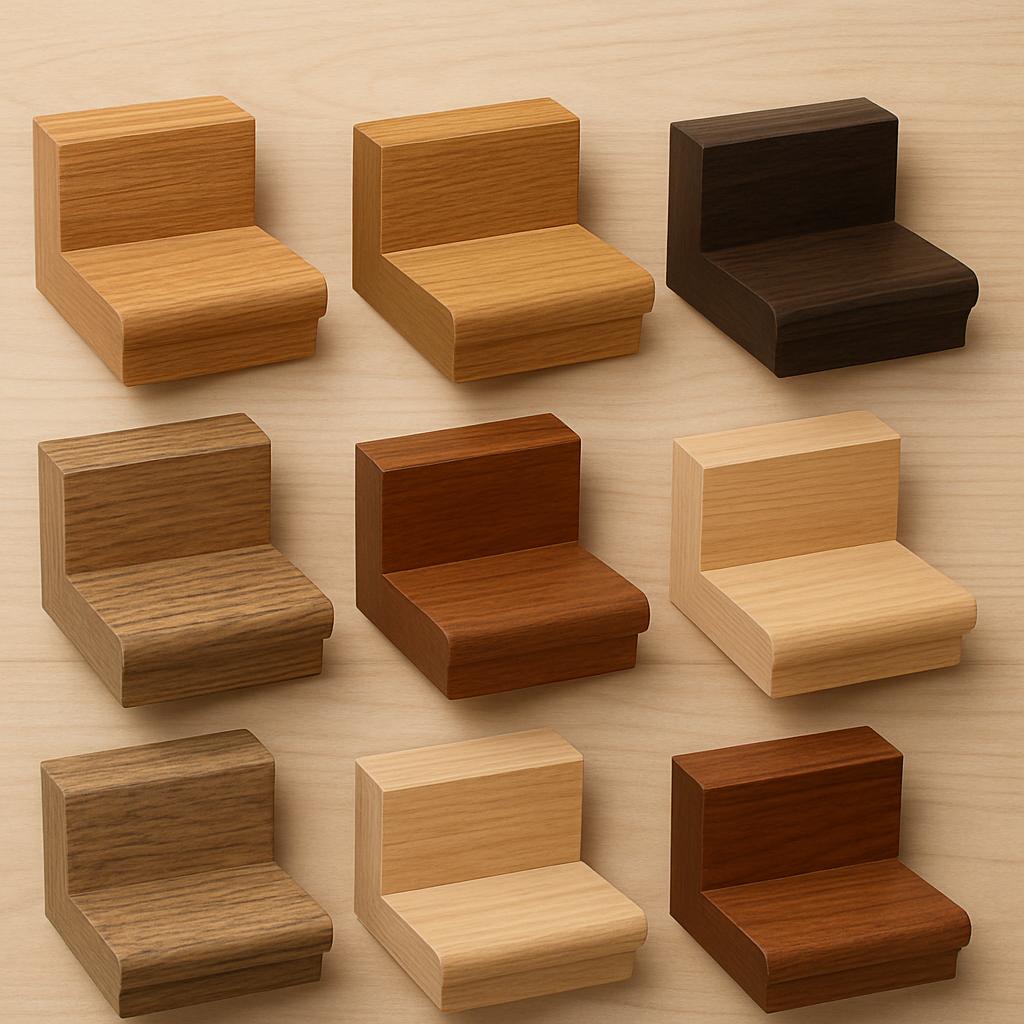
When considering wood stairs, selecting the right wood species is essential for durability, aesthetics, and overall performance. This article explores the ranking of wood species used in stair production, guiding you in choosing the best option for your needs.
How do wood species differ in durability for stairs?
Different wood species exhibit varying levels of durability, impacting their suitability for stairs. Hardwoods like oak and maple are known for their robust and long-lasting properties, making them ideal for stairs exposed to heavy traffic. Softwoods, though easier to work with, typically wear down faster and may require more maintenance. For instance, oak stairs can withstand years of use without showing significant wear.
Which wood species offers the best aesthetic appeal for stairs?
The aesthetic appeal of wood stairs largely depends on the wood species chosen. Woods like cherry and mahogany offer rich colors and beautiful grains, contributing to a luxurious appearance. In contrast, pine, although less expensive, provides a lighter color that can complement more modern designs. Each choice can dramatically impact the interior décor, influencing overall home value.
When should specific types of wood be used for stair projects?
Specific types of wood should be used based on the stair’s location and usage. For example, hardwoods are typically preferred for indoor stairs due to their durability and resistance to wear. Conversely, pressure-treated softwoods may be more appropriate for outdoor staircases due to their resistance to moisture and insects. It’s essential to align the wood type with the environment to ensure longevity and safety.
What are the cost considerations when choosing wood for stairs?
Cost is a significant factor when selecting wood for stairs, as prices vary widely among different species. Hardwoods like walnut and cherry usually come at a premium price due to their scarcity and demand, while softer woods such as pine are generally more affordable. Understanding the budget can help in determining which wood species may be feasible without compromising quality. Below is a comparison of average costs per square foot for common wood species used in stair projects:
| Wood Species | Average Cost per Square Foot |
|---|---|
| Oak | $3.00 – $7.00 |
| Maple | $4.00 – $8.00 |
| Cherry | $6.00 – $10.00 |
| Mahogany | $8.00 – $12.00 |
| Pine | $2.00 – $5.00 |
Why is it important to consider wood maintenance for stairs?
Maintenance is crucial for the longevity and appearance of wood stairs. Different wood species require varying levels of care. Hardwoods often need periodic refinishing to maintain their shine and protect against wear. In contrast, softer woods may need regular sealing to guard against moisture and stains. This maintenance will ultimately determine the lifespan and beauty of the stairs, making it essential to factor in this commitment before making a selection.
What are the environmental impacts of choosing specific wood types?
Choosing wood for stairs can have environmental implications, as some wood species are sourced from sustainably managed forests while others may not be. Opting for certified wood species helps promote environmentally friendly practices and ensures that wood is harvested responsibly. It is advisable to inquire about the sourcing of the wood to support sustainability in construction.
For those considering an investment in well-crafted and aesthetically pleasing wood stairs, understanding the various wood species available, their properties, and their appropriate applications is vital.