
As the world becomes increasingly interconnected, more families are considering the unique opportunities and challenges of relocating abroad. For parents, one of the most critical aspects of this transition is ensuring their children receive a high-quality education. A good international school can play a pivotal role in this process, offering diverse, enriching, and comprehensive educational experiences that prepare students for a global future.
Understanding the Basics: What is a Good International School?
A good international school serves students from various countries, providing education that is globally recognized and culturally inclusive. Such schools often follow curricula like the International Baccalaureate (IB), British, American, French, or other national systems, ensuring that students receive an education that meets international standards. This flexibility allows for smoother transitions if families move from one country to another.
The Importance of Curriculum and Accreditation
One of the fundamental aspects of a good international school is its curriculum. Parents should seek schools that offer accredited programs recognized across borders. An accredited curriculum ensures that the education your child receives is of high quality and transferable to other educational systems globally.
Additionally, consider whether the school provides a curriculum that aligns with your child’s future educational goals. The International Baccalaureate (IB), for instance, is valued for its rigorous academic and experiential learning components, fostering critical thinking and intercultural understanding.
Qualified and Diverse Teaching Staff
Teachers are the backbone of any school, and international schools are no exception. A good international school often boasts a team of qualified, experienced, and diverse educators who understand the complexities and needs of teaching a multicultural classroom.
Having teachers from diverse backgrounds not only enriches the educational experience but also introduces students to multiple perspectives, promoting inclusivity and understanding. Parents should look for schools that provide ongoing professional development and training for their teachers, ensuring that they remain at the forefront of educational best practices.
Language and Multilingual Opportunities
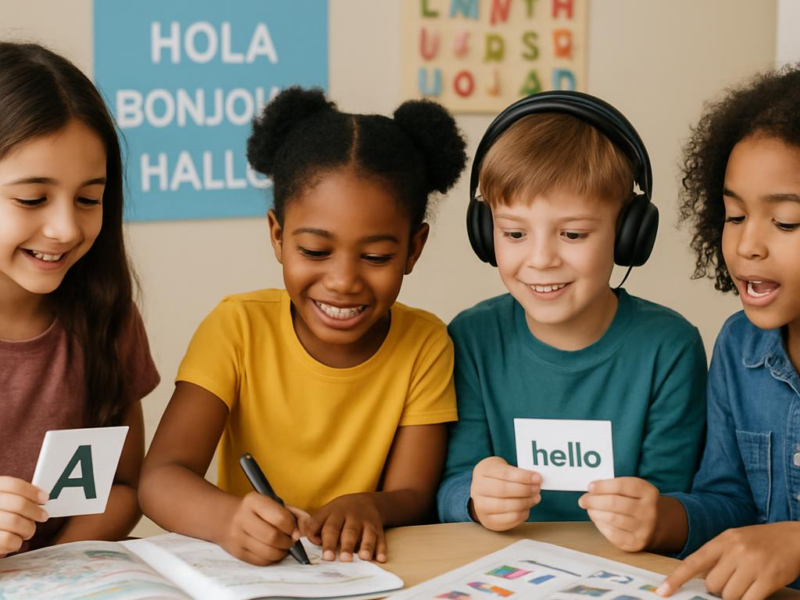
Cultural diversity within an international school often extends to languages. A significant benefit of a good international school is the emphasis on language learning. Many international schools offer instruction in multiple languages or have language immersion programs, preparing students for a diverse world where multilingual skills are invaluable.
Parents should consider whether the school offers support for both the child’s mother tongue and new languages, ensuring comprehensive language development and cultural retention.
Cultural and Extracurricular Enrichment
A school that fosters cultural appreciation and extracurricular opportunities is often more successful at developing well-rounded students. Good international schools offer a plethora of extracurricular activities, including sports, arts, and clubs, that encourage students to explore and develop interests beyond the traditional classroom.
Such activities not only provide excellent opportunities for personal growth but also help children form lasting friendships with peers from around the world, enhancing their social development and cultural understanding.
Strong Support Systems
Transitions to a new school can be challenging for both students and parents, especially in an international context. A supportive community within the school can make a significant difference in the adjustment process.
Look for schools that provide robust guidance and counseling services, welcoming orientation programs, and community-building events. Schools that emphasize social and emotional learning, alongside academic achievement, can greatly assist in helping students adapt to their new environment.
Facilities and Resources
State-of-the-art facilities and resources are crucial for creating an optimal learning environment. When evaluating international schools, consider the quality and availability of learning spaces, technological resources, and extracurricular facilities.
A well-equipped school supports not only academic learning but also the physical and creative development of students, ensuring a holistic educational experience.
Community and Parental Involvement
Finally, community and parental involvement is a vital aspect of school life at a good international school. Schools that encourage parental participation acknowledge the importance of collaboration between educators and families in fostering student success.
Parents should feel welcome to engage in school activities and decision-making processes. This involvement creates a supportive network that enhances the student experience and strengthens the school’s community atmosphere.
In conclusion, a good international school embodies a blend of academic excellence, cultural enrichment, and robust support systems. Choosing the right school requires careful consideration of various factors, ensuring that it aligns with your family’s values and educational aspirations. Such schools not only provide exceptional education but also prepare students to thrive in a diverse, interconnected world, turning the unique challenges of moving abroad into unparalleled opportunities for growth and learning.