
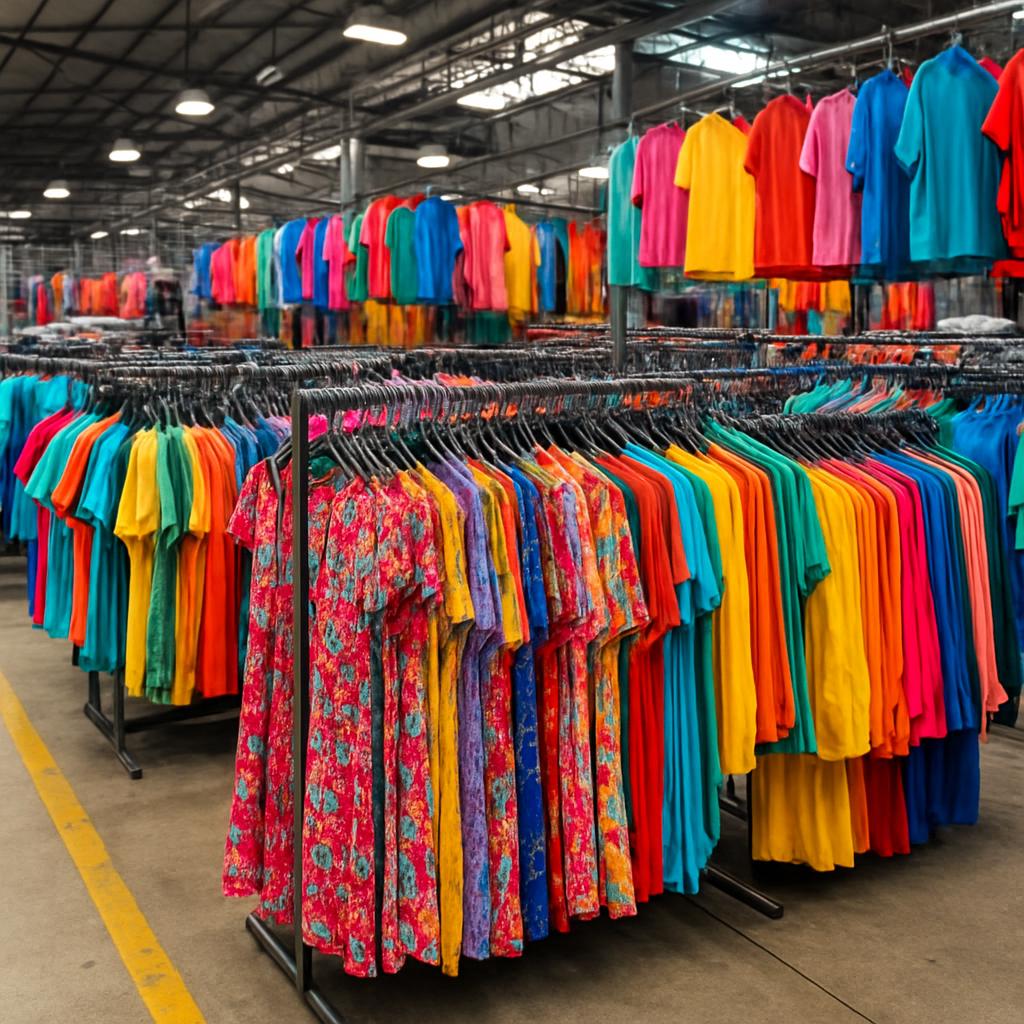
Wholesale clothing from Poland is becoming increasingly attractive in Europe due to high-quality production, flexible order volumes, and compliance with EU standards. As European brands look to shorten supply chains, Poland’s unique position as a nearshoring hub meets their demand for speed and reliability while maintaining ethical production practices.
How is Poland positioned as a key player in the European clothing market?
Poland is positioned as a major player in the European clothing market due to its combination of high-quality production and strategic geographical location. This positioning allows for efficient logistics and faster turnaround times for European retailers. With a growing reputation as a nearshoring destination, many European brands are relocating their production from Asia to Poland.
Why are European brands choosing nearshoring to Poland?
European brands are choosing nearshoring to Poland primarily to reduce shipping times and costs. With logistics becoming a critical factor in market responsiveness, companies are realizing that producing closer to their main consumer markets can significantly enhance their operational efficiency. This shift is a reaction to delays and increasing costs associated with overseas shipping.
What advantages does Polish clothing production offer?
Polish clothing production offers several advantages, including high craftsmanship, compliance with EU regulations, and flexibility in order sizes. The emphasis on quality ensures that products meet high standards, while smaller minimum order quantities allow businesses, especially boutiques, to manage inventory more effectively.
Which factors contribute to the appeal of Polish wholesale clothing?
Several factors contribute to the appeal of Polish wholesale clothing, such as the establishment of major wholesale hubs like Ptak Fashion City, which consolidate a wide range of suppliers. These hubs attract international buyers and facilitate varied selections, making it easier for retailers to source trendy items. Furthermore, Poland’s commitment to ethical production enhances its appeal in a conscientious market.
When do businesses benefit the most from Polish wholesale clothing?
Businesses benefit the most from Polish wholesale clothing during peak fashion seasons, where demand for quick inventory replenishment is critical. Polish manufacturers are known for their ability to quickly adapt to changing market trends, ensuring that retailers have access to the latest styles without the long lead times associated with distant suppliers.
| Factor | Poland | Asia |
|---|---|---|
| Shipping Time | 24-48 hours within the EU | Weeks to months |
| Minimum Order Quantity (MOQ) | Lower than Asia | Higher, limiting flexibility |
| Compliance with Standards | Meets EU regulations | Varies significantly |
| Production Quality | High craftsmanship | Mass-produced, varied quality |
| Response to Trends | Quick adaptation | Slower response |
For businesses looking to improve sourcing efficiency and align with ethical standards, wholesale Poland clothing can provide a significant competitive edge in the fast-paced fashion industry.
Which markets are most interested in Polish clothing production?
Markets most interested in Polish clothing production include Germany, the Czech Republic, and other countries in the Baltic region, where proximity enhances supply chain logistics. These markets are increasingly recognizing the benefits of high-quality, locally produced apparel that adheres to EU labor laws and environmental standards.
How does e-commerce influence Polish clothing wholesale?
E-commerce has significantly influenced Polish clothing wholesale by allowing suppliers to reach a broader range of international clients quickly. Modern online platforms have streamlined ordering processes, enabling rapid dispatch and a more efficient supply chain, which is essential for businesses operating in the increasingly digital retail environment.
What role do ethical production practices play in Polish clothing’s appeal?
Ethical production practices are central to the appeal of Polish clothing, particularly among environmentally conscious consumers in Western Europe. Ensuring fair labor practices and sustainable manufacturing processes enhances the reputation of Polish brands, making them more appealing to retailers looking to differentiate themselves in a competitive market.
What future trends might impact Polish clothing wholesale?
Future trends that may impact Polish clothing wholesale include continued advancements in technology, such as automation in manufacturing, and an increasing focus on sustainability. As consumers become more environmentally aware, Polish producers will likely enhance their sustainable practices to meet market demands, further solidifying their position in the European market.