
Pallet auctions are transforming the way businesses manage their expenses and supply chains. By participating in these auctions, businesses can significantly reduce costs, gain access to a wide variety of products, and improve inventory management. This guide will explore the benefits of pallet auctions, how they work, and why they might be the right choice for your business.
Understanding Pallet Auctions
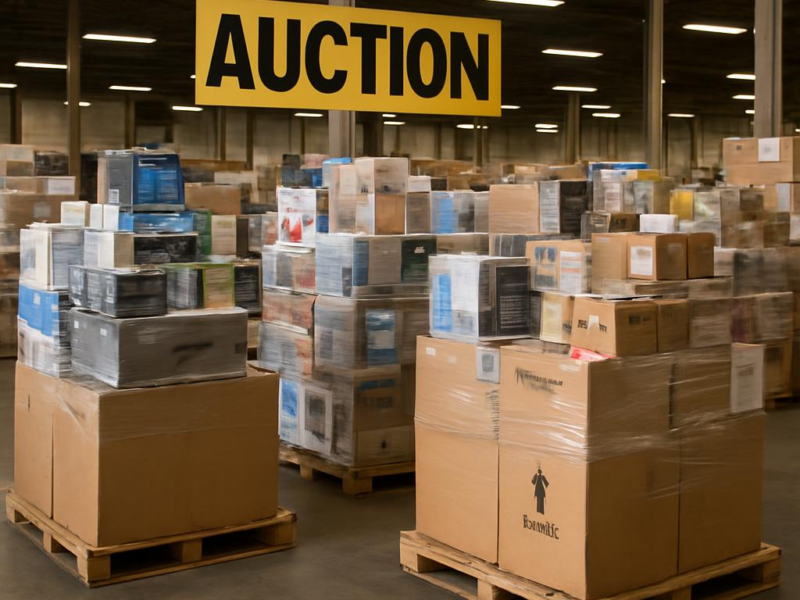
Pallet auctions are events where businesses can bid on pallets filled with merchandise. These pallets often contain returned items, overstock, or surplus goods from retailers. The products are typically sold in bulk, at a fraction of the original retail cost, allowing buyers to purchase high-quality merchandise at significant savings. Pallet auctions are gaining popularity as a cost-effective method of acquiring inventory.
How Do Pallet Auctions Work?
The process is quite straightforward. Businesses register with auction platforms that specialize in selling pallets. These platforms host a range of auctions featuring varied products from electronics to clothing. Once registered, businesses can browse the available auctions, assess the goods, and place their bids. It’s a transparent and competitive market, offering potential savings and efficient ways to procure goods.
Benefits of Pallet Auctions
The primary advantage of pallet auctions is cost reduction. Businesses can purchase products at below-market value, potentially cutting inventory costs in half. This provides an opportunity to pass on these savings to customers, which can enhance competitiveness in the market.
Diverse inventory is another significant benefit. The range of merchandise varies greatly from auction to auction, offering a diverse selection that can help businesses expand their product offerings without the need for significant capital investment.
Better Inventory Management is achievable thanks to the regular updates of auction listings. Businesses can plan their inventory purchases around available auctions, improving the flow and timing of stock replenishment.
Strategies to Maximize Savings
Research and Preparation
Before participating in pallet auctions, it’s essential for businesses to conduct thorough research. Understanding the types of products commonly found in pallets and assessing market prices can inform smarter bidding strategies. Preparation ensures that businesses are ready to act when the right opportunity arises.
Setting Budgets
It’s crucial for businesses to establish clear budgets before entering auctions. This helps prevent overbidding and ensures that the potential savings are not overridden by a lack of fiscal discipline.
- Identify maximum bid limits for different types of pallets.
- Calculate potential resale value for the inventory.
- Remain disciplined in pursuing auction opportunities that fit within your budget.
Evaluating Auction Platforms
Not all auction platforms are created equal, and choosing the right one can have a significant impact on potential savings. Businesses should investigate the reputation of platforms, read reviews, and potentially start with smaller bids to test the waters.
- Prioritize platforms with clear terms and conditions.
- Look for platforms that provide detailed descriptions and images of pallet contents.
- Consider platforms that offer customer support or guidance.
Real-World Success Stories
Many businesses have successfully integrated pallet auctions into their supply chain strategies, with impressive results. Small retailers, in particular, have been able to source affordable merchandise that would have otherwise been out of reach. Larger businesses have also tapped into pallet auctions to offload unsold or returned merchandise through the same channels, establishing a beneficial cycle of commerce.
These success stories showcase that with the right approach, pallet auctions not only reduce costs but can also revitalize a business’s inventory strategy, offering both short-term savings and long-term growth.