Edge profiles serve a crucial role in various mechanical applications, encompassing a rich spectrum of components engineered to protect surfaces, improve sealing efficiency, and extend the lifespan of machinery. As the demand for high-performing and reliable machinery continues to grow, the integration of effective edge profiles has become a cornerstone in the design and manufacturing processes. These profiles are not merely additions but essential elements that provide enhanced protection against wear and tear, mitigating potential damage from friction and harsh operating environments.
The Role of Edge Profiles in Machinery
Edge profiles are essential components that contribute significantly to the durability and functionality of machinery. By acting as a barrier against external forces and reducing friction at critical contact points, they help prolong machinery life while minimizing maintenance requirements. These profiles are meticulously engineered to match specific applications, ensuring optimal compatibility and effectiveness.
Types of Edge Profiles
Different applications necessitate different types of edge profiles, each tailored to offer unique benefits. Let’s explore some common types:
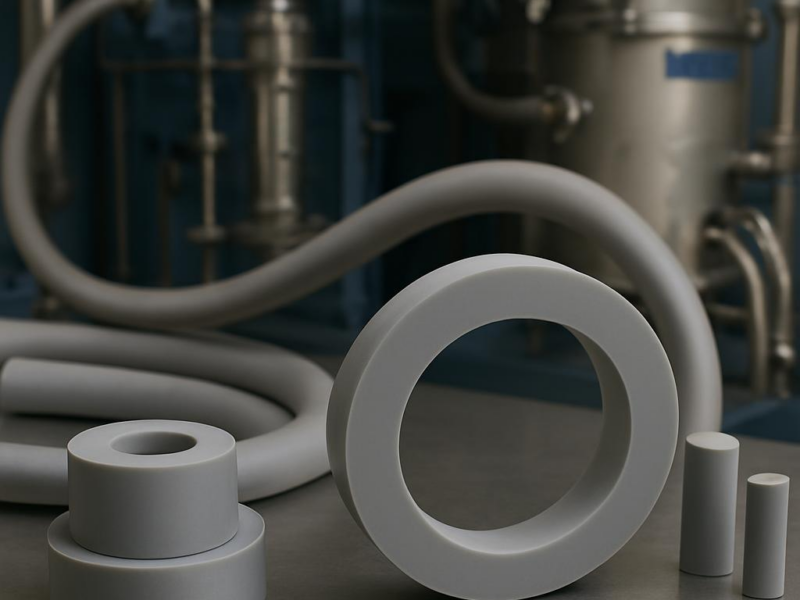
- Rubber Edge Profiles: These are predominantly used for sealing and cushioning purposes. Made from flexible materials like EPDM and silicone, they offer excellent resistance to weathering and temperature fluctuations.
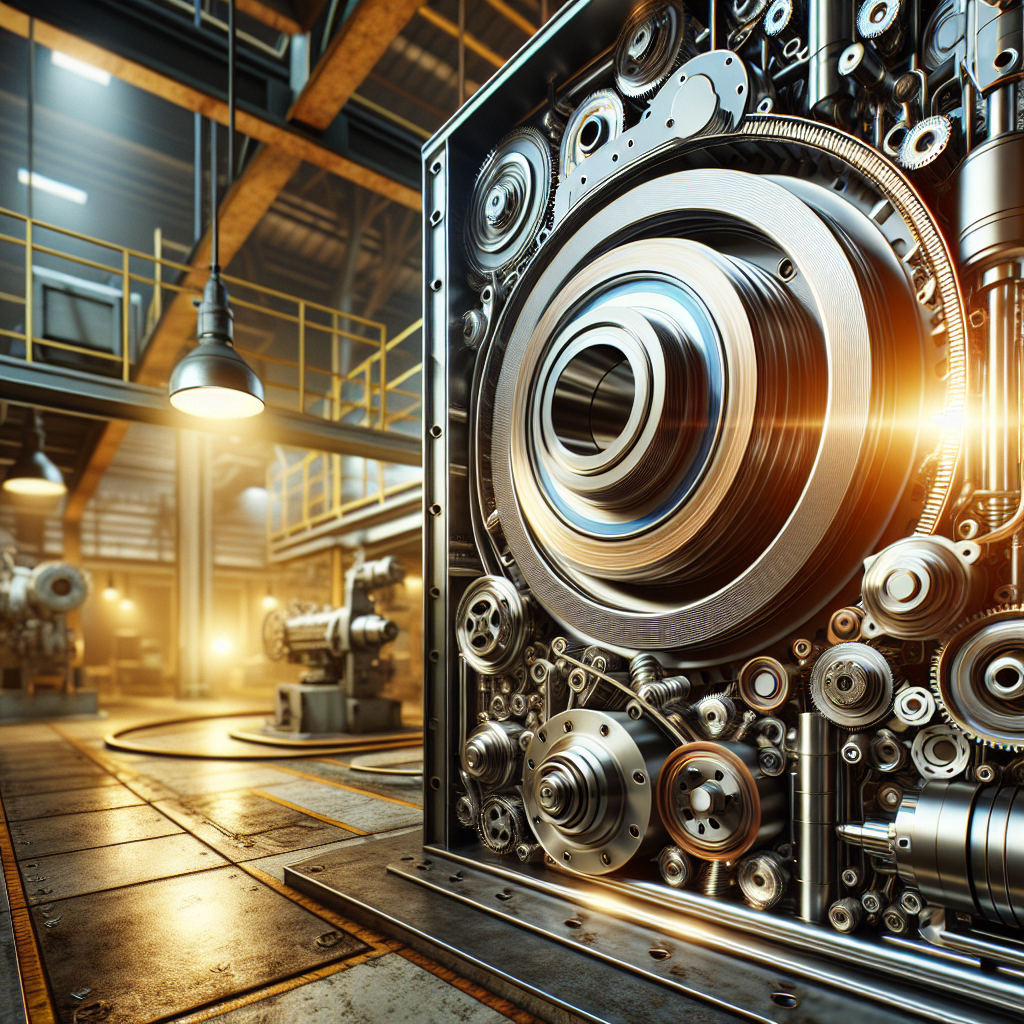
- Metal Edge Profiles: Often employed in situations where strength and rigidity are essential, metal edge profiles are key in providing mechanical support and protection from physical impact.
- Plastic Edge Profiles: These profiles are lightweight yet durable, commonly used in less demanding environments where they provide a cost-effective solution for surface protection.
The right choice of edge profile not only enhances machine efficiency but also reduces energy consumption and operational noise, leading to a more sustainable operational environment.
Enhancing Sealing Efficiency with Edge Profiles
One of the most significant advantages of using edge profiles is their ability to improve sealing efficiency. This is particularly crucial in industries where maintaining clean and contaminant-free environments is essential. The precision design of modern edge profiles ensures they provide airtight and watertight seals, which are vital in preserving the integrity and performance of machinery.
- Prevention of Fluid Leakage: With their tight seals, edge profiles prevent the leakage of fluids, thereby averting potential system failures and saving costs on repairs and replacements.
- Dust and Debris Control: A well-sealed system prevents the ingress of dust and debris, which can cause wear and reduce the efficiency of machinery.
- Noise Reduction: Effective sealing also plays a role in dampening operational noise, contributing to a more pleasant working environment.
These features underscore the importance of selecting the appropriate edge profile tailored to specific applications—a task that is critical for ensuring long-term operational success and efficiency.
Technological Innovations in Edge Profiles
Advancements in materials and technology have paved the way for more sophisticated edge profiles, which are now often reinforced with composite materials for added strength and resilience. For example, silicone profiles reinforced with metal wire have gained popularity due to their enhanced durability and performance, especially under extreme conditions. Such innovations not only contribute to the robustness of the profiles but also allow for a more precise and efficient manufacturing process.
Customization and Adaptability
Today’s industry standards demand high levels of customization to meet diverse and specific needs. Manufacturers now offer edge profiles that can be tailored in terms of size, material, and design, making them exceptionally versatile and adaptable to various applications. This flexibility ensures that the profiles serve their intended purpose effectively, providing optimal performance in any given setting.
Customization not only facilitates better integration into machinery but also helps achieve cost efficiencies by reducing waste and ensuring the precise fit of components.
Best Practices for Implementing Edge Profiles
Successful implementation of edge profiles in machinery requires careful planning and consideration. Here are some best practices to ensure optimal results:
- Material Selection: Choose the right material based on environmental conditions, such as temperature and exposure to chemicals, to ensure longevity and performance.
- Regular Maintenance: Regular inspection and maintenance of edge profiles can prevent wear and deterioration, ensuring that they continue to perform their protective role effectively.
- Professional Installation: Proper installation by professionals can prevent unforeseen issues such as improper sealing or misalignment, which could compromise performance.
Implementing these best practices can lead to substantial improvements in machinery performance, reliability, and cost-efficiency. Edge profiles, albeit a small component, hold significant sway over the operational success of machinery, underscoring their indispensable role across various industries.