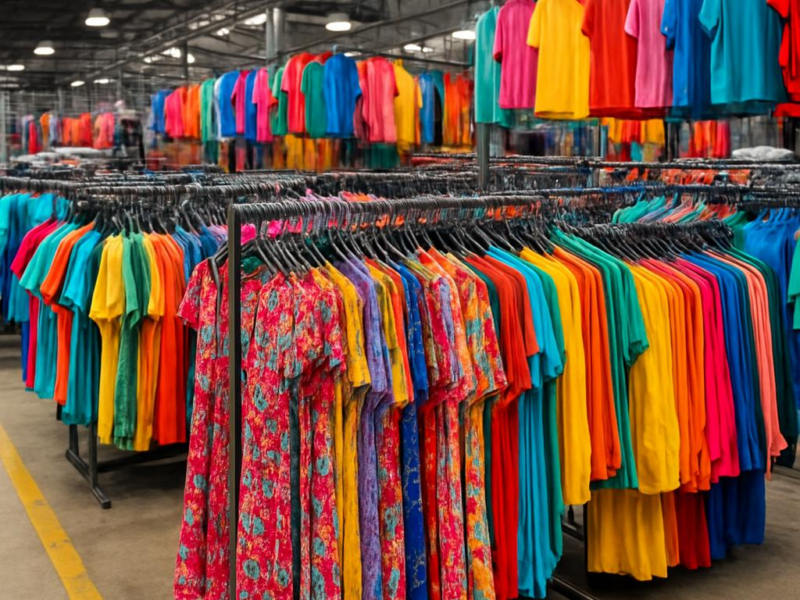
Understanding the Mechanics of the Wholesale Clothing Market
The wholesale clothing market operates as a dynamic ecosystem, connecting various stakeholders, from manufacturers to retailers. This industry plays a crucial role in ensuring that the latest fashion trends reach consumers efficiently and cost-effectively.
What is Wholesale Clothing?
Wholesale clothing refers to the sale of garments in large quantities, usually to retailers and other businesses rather than directly to consumers. This practice enables retailers to stock a wide variety of apparel without having to produce the items themselves. The wholesale model allows for significant savings on production costs and can provide a steady supply of fashionable items in line with current trends.
How Does the Wholesale Clothing Market Operate?
The wholesale clothing market operates through a series of processes involving several key components:
- Manufacturers: These entities produce clothing according to demand or latest fashion trends. They often operate factories and focus on the bulk production of garments.
- Wholesalers: They act as intermediaries between manufacturers and retailers, buying large volumes of clothing and then selling them at a markup to smaller outlets.
- Retailers: These businesses purchase clothing from wholesalers to sell directly to consumers. They vary in size from large department stores to small boutique shops.
- Online Platforms: Many wholesale transactions occur through e-commerce platforms, allowing for broader reach and easier comparison of prices and styles.
Benefits of Buying Wholesale Clothing
Purchasing wholesale clothing offers numerous advantages for retailers and businesses:
- Cost Efficiency: Buying in bulk significantly reduces the cost per item, allowing retailers to maintain higher profit margins.
- Diverse Selection: Wholesalers often provide a wide array of styles, colors, and sizes, which helps retailers cater to various consumer preferences.
- Low Minimum Orders: Many wholesale suppliers offer flexible minimum order quantities, enabling smaller retailers to enter the market.
- Access to Trendy Fashion: Wholesalers frequently update their inventory with the latest styles, thereby allowing retailers to stay current with fashion trends.
Understanding Wholesale Pricing
Pricing in the wholesale clothing market is typically based on several factors, including:
- Production Costs: The cost of materials, labor, and manufacturing directly influences wholesale pricing.
- Order Volume: Larger orders generally result in lower prices per item, as manufacturers benefit from economies of scale.
- Brand Value: Established brands may charge higher wholesale prices due to their reputation and demand.
The Role of Trade Shows
Trade shows serve as major events for the wholesale clothing industry, bringing together manufacturers, wholesalers, and retailers. These exhibitions provide a platform for:
- Networking with industry professionals
- Discovering new brands and trends
- Negotiating deals in a face-to-face environment
Participating in trade shows can be beneficial for retailers seeking to establish strong relationships with suppliers and diversify their inventory.
Streamlined Processes in Wholesale Clothing Transactions
The transactions in the wholesale clothing market are often streamlined through various practices:
- Online Ordering: Many wholesalers offer online platforms that allow retailers to browse catalogs and place orders easily, facilitating smoother transactions.
- Inventory Management: Tools and software for inventory management help businesses keep track of stock levels, ensuring they can meet consumer demand without overstocking.
- Shipping and Logistics: Wholesale suppliers often take care of shipping arrangements, ensuring timely delivery of large orders.
Challenges in the Wholesale Clothing Market
While the wholesale clothing market boasts many benefits, it also presents certain challenges:
- Fluctuating Trends: Rapid changes in fashion trends can lead to overstocks if retailers misjudge consumer preferences.
- Competition: An increase in the number of players in the wholesale market can create price wars, impacting profit margins.
- Quality Control: With many suppliers available, ensuring consistent quality across orders can be challenging.
Future Trends in Wholesale Clothing
The wholesale clothing market continues to evolve, adapting to changes in consumer behavior and technological advancements:
- Sustainability: Increasing consumer demand for sustainable and eco-friendly products is prompting wholesalers to offer green options.
- Direct-to-Consumer Models: Some manufacturers are bypassing traditional wholesalers and selling directly to consumers, changing the landscape of the market.
- Integration of Technology: Enhanced data analytics and artificial intelligence can help wholesalers better predict trends and optimize inventory management.
As this market grows, understanding its dynamics becomes essential for anyone looking to succeed in retail. For those interested in exploring options within this vast arena, wholesale clothing platforms provide a vital resource, connecting retailers with diverse suppliers and styles.
In conclusion, the wholesale clothing market represents an intricate web of interactions that collectively contribute to a flourishing fashion industry. By grasping the nuances of this sector, businesses can harness its potential for success and sustainability in a competitive economic landscape.