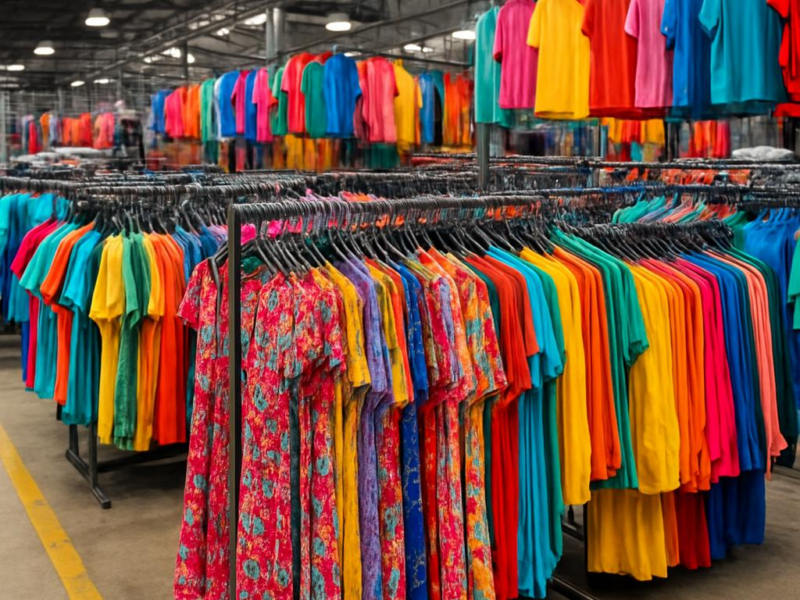

In the competitive world of retail, effectively navigating the stock clothes wholesale market can significantly augment a retailer’s profitability. Understanding product classifications, smart purchasing strategies, and optimizing sales channels are key factors in enhancing margins.
How can understanding product classification improve purchasing decisions?
Knowing the different classifications of stock clothing—Grade A, Grade B, and Cream—can lead to better purchasing decisions. Each grade offers varying levels of quality and pricing, affecting potential profit margins. For example, purchasing Grade A items, which are new with tags, usually allows retailers to sell at close to original retail prices.
Does smart buying impact profit margins?
Absolutely, smart buying, which includes assessing the „packing list” of available stock, greatly enhances profit margins. By analyzing size structures and styles before making purchases, retailers can avoid buying stock that may not sell well. A specific instance could involve a retailer identifying a demand for large sizes while avoiding smaller sizes that often linger in inventory.
When is it advantageous to buy stock wholesale “blindly”?
Buying stock wholesale “blindly” can be advantageous when the products come from reputable sources and when wholesalers offer competitive prices. This bulk purchasing often allows for lower cost per unit but requires that retailers have a solid plan for distribution to prevent capital from being tied up in unsold inventory.
How does the retail landscape in Poland influence stock clothing sales?
The retail landscape in Poland is increasingly shifting towards outlet boutiques and social media sales, enabling quicker turnover of stock compared to traditional stores. Retailers focusing on e-commerce platforms and live social commerce can capitalize on trending items, enhancing their ability to sell stock clothing swiftly.
How can diversifying suppliers improve margins?
Diversifying suppliers allows merchants to negotiate better prices and reduces dependency on single sources. Direct partnerships with importers from countries like Germany, Italy, or France generally yield improved pricing compared to local wholesalers. For example, a retailer may discover that their margin increases significantly by sourcing directly from a European manufacturer instead of a local distributor.
Which channels can be optimized for faster stock rotation?
Optimizing sales channels such as e-commerce and social media can lead to faster stock rotation. Using live-stream selling on platforms like Instagram or Facebook can showcase products directly to consumers, facilitating immediate purchases. Retailers that actively engage with their audience during live sessions often see higher conversion rates, particularly for limited stock items.
| Product Grade | Description | Typical Discount | Potential Selling Price |
|---|---|---|---|
| Grade A | New with tags | 30–50% | Up to original price |
| Grade B | Slight defects | 50–70% | 50–70% of original price |
| Cream | Highest quality, no tags | 40–80% | Variable, often near original price |
Retailers who embrace these strategies within the stock clothes wholesale market will not only enhance their margins but also optimize their overall business efficiency. By leveraging supplier relationships and innovative sales channels, businesses can thrive in the competitive retail environment.