
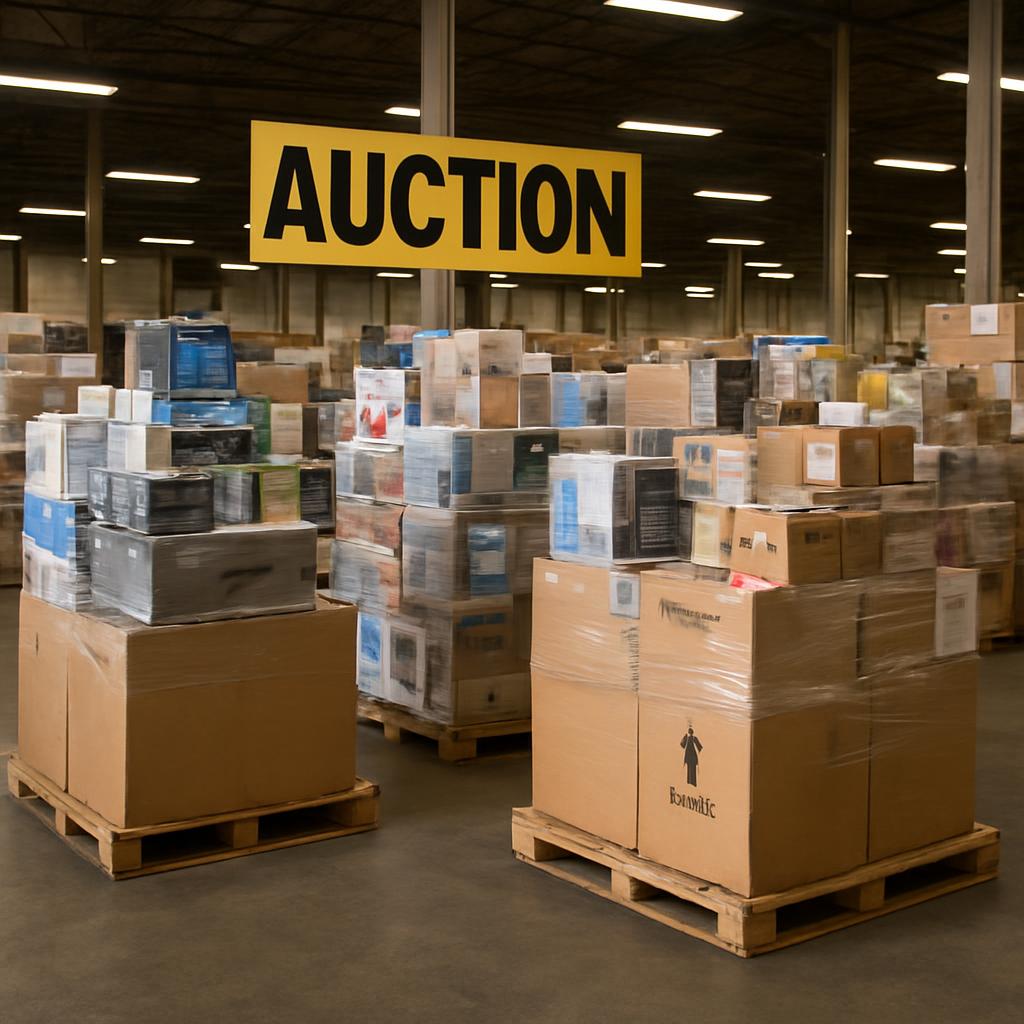
Pallet auctions can be a lucrative business opportunity, allowing you to purchase goods at a fraction of their retail value and resell them for profit. To maximize your returns, it’s crucial to understand the key factors involved, including product classification, sourcing reliable suppliers, and effective resale channels.
How do pallet auctions work?
Pallet auctions involve the purchase of lots of goods, typically returned items from major retailers, at significantly reduced prices. Buyers bid on pallets that may contain a mix of new, used, or damaged products. This business model hinges on the buyer’s ability to evaluate the potential value of the merchandise within each pallet.
In Poland, major platforms facilitating these auctions include Merkandi and Stocklot, which connect wholesalers with buyers. A successful purchase requires an understanding of the types of products available, including customer returns, overstock, and ex-display items.
Why is product classification important in pallet auctions?
Product classification is crucial because it directly impacts potential profitability. Goods are typically categorized into Class A (new), Class B (used and functional), and Class C (damaged and requiring repair). The most profitable but risky are mixed pallets as they offer a combination of goods from various classes.
For example, buying a Class A pallet could guarantee a higher resale price but at a higher risk of investment. Buyers need to be adept at evaluating manifest documents that describe the contents of pallets, ensuring they make informed bidding decisions.
Which platforms offer the best pallet auction opportunities?
The best platforms for pallet auctions in Poland include Merkandi, Stocklot, Allegro Charytatywni, and dedicated wholesale sites. Each platform offers unique advantages in terms of product variety, pricing strategies, and community support for buyers.
For instance, Merkandi is noted for its extensive database connecting wholesalers and retailers, while Stocklot provides insights and tips specific to end-of-line and return items. Choosing the right platform is essential for maximizing purchase potential.
How can you reduce risks when purchasing pallets?
To minimize risks when buying pallets, it’s essential to source from reputable suppliers who do not alter the contents of the pallets. Engaging with suppliers that have established credibility helps prevent scenarios where valuable items have been removed from the pallet.
Additionally, buyers should be cautious of purchasing “picked-over” pallets where high-value items have already been extracted. Relying on platforms that guarantee transparency in the pallet’s contents can significantly reduce this risk.
What are effective resale channels for pallet auction items?
Effective resale channels for items sourced through pallet auctions include online marketplaces such as Allegro Lokalnie, OLX, Vinted, and Facebook Marketplace. Each channel offers different audiences and seller tools, facilitating the efficient sale of products.
For example, Allegro provides a well-trafficked platform for second-hand goods, making it a prime choice for sellers aiming to reach a large customer base quickly. Selecting the right platform matching the target audience enhances profitability.
How much does it cost to transport pallets in Poland?
Transport costs for pallets in Poland typically range from 150 to 300 PLN net. This expense must be factored into the overall cost analysis to determine break-even points in your resale strategy.
Here’s a brief overview of transportation costs in relation to pallet auctions:
| Transport Option | Average Cost (PLN) | Timeframe |
|---|---|---|
| Standard Delivery | 150 – 300 | 1 – 3 days |
| Express Delivery | 300 – 450 | 24 hours |
Understanding these costs is vital for making informed purchasing and pricing decisions to ensure a profit margin is achieved.
When is the best time to buy pallets?
The best time to buy pallets is often when suppliers are looking to clear out inventory or after the holiday season, as many retailers report an influx of returns. Timing your purchases around these periods can provide opportunities to secure better deals.
For instance, many retailers may offer lower prices on unsold seasonal items after major sales events, providing an opportunity for buyers into the pallet auction market.
How can you improve your ‘cherry picking’ skills?
Improving your cherry picking skills involves developing a keen sense for valuing items within a pallet. This requires knowledge of market trends, product demand, and potential repairs needed.
Practicing this skill can be as simple as regularly attending auctions and making small purchases to test the waters. Over time, assessing value will become more intuitive, enhancing overall profitability.
Why is logistics important in the pallet auction business?
Logistics play a vital role in the pallet auction business because effective organization and timely distribution can influence profit margins. Proper logistics ensures that purchased items are received, processed, and resold swiftly.
For example, streamlined processes for receiving and cataloging pallet contents can minimize storage costs while maximizing resale opportunities. Adopting strategies for efficient inventory management addresses logistical challenges effectively.