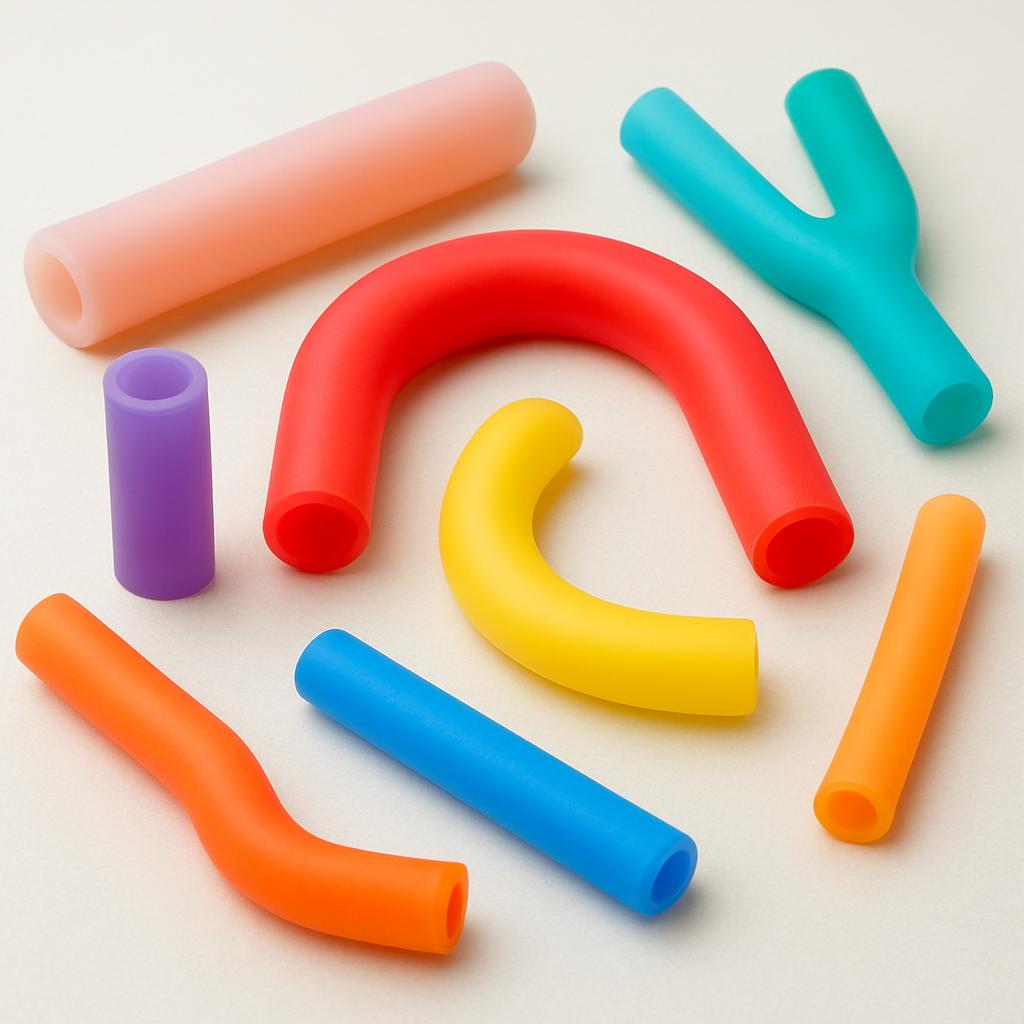
Silicone sponge tubing is an advanced elastomeric material that combines lightweight properties with superior chemical and thermal resistance. Its applications in industries such as heavy manufacturing and energy are extensive due to its ability to withstand extreme temperatures and effectively seal under minimal pressure.
How does silicone sponge tubing enhance thermal insulation?
Silicone sponge tubing offers exceptional thermal insulation due to its low thermal conductivity. This characteristic makes it ideal for applications where heat retention is crucial, such as insulating pipes in industrial systems. For instance, in Poland, it is commonly used as thermal wraps around transmission pipes to optimize energy efficiency.
Does silicone sponge tubing maintain elasticity under temperature extremes?
Yes, silicone sponge tubing retains its elasticity within a wide temperature range, typically from -60°C to +230°C, and up to +300°C in specialized versions. This property is vital for industries that operate in environments with fluctuating temperatures, ensuring that seals remain functional and effective.
When should silicone sponge tubing be used as a protective cover?
Silicone sponge tubing should be used as a protective cover when there is a need for thermal protection to prevent operator burns or damage to machinery. It provides an effective barrier against heat while also absorbing vibrations, making it a vital component in various machinery applications, including those in the food and pharmaceutical sectors.
How much does the closed-cell structure benefit silicone sponge tubing?
The closed-cell structure of silicone sponge tubing provides significant benefits, such as water, gas, and moisture impermeability. This structure helps maintain hygiene and longevity in installations, particularly in food and medical industries where cleanliness is paramount.
Why is silicone sponge tubing resistant to environmental factors?
Silicone sponge tubing is highly resistant to environmental factors such as UV radiation, ozone, and atmospheric aging. These qualities make it an excellent choice for external seals in construction and transport applications, ensuring durability and reliability in challenging conditions.
Which applications benefit the most from silicone sponge tubing?
Silicone sponge tubing is particularly advantageous in applications requiring noise and vibration dampening, such as in household appliances and HVAC systems. Its softness and compressibility allow it to effectively minimize sound, enhancing user comfort and equipment life.
To illustrate the essential characteristics and applications of silicone sponge tubing, consider the following comparison table:
| Property | Description |
|---|---|
| Thermal Resistance | -60°C to +230°C (up to +300°C) |
| Flexibility | Excellent elasticity |
| Insulation | Low thermal conductivity |
| Environmental Resistance | UV, ozone, and aging resistance |
| Hygiene Standards | FDA and BfR compliant |
Silicone sponge tubing plays a pivotal role in many industrial applications due to its chemical stability and insulating properties. Designed for versatility and effectiveness, it meets the rigorous standards of performance required across various sectors. Its unique structure and specialized properties render it ideal for critical tasks involving temperature management, safety, and efficiency.