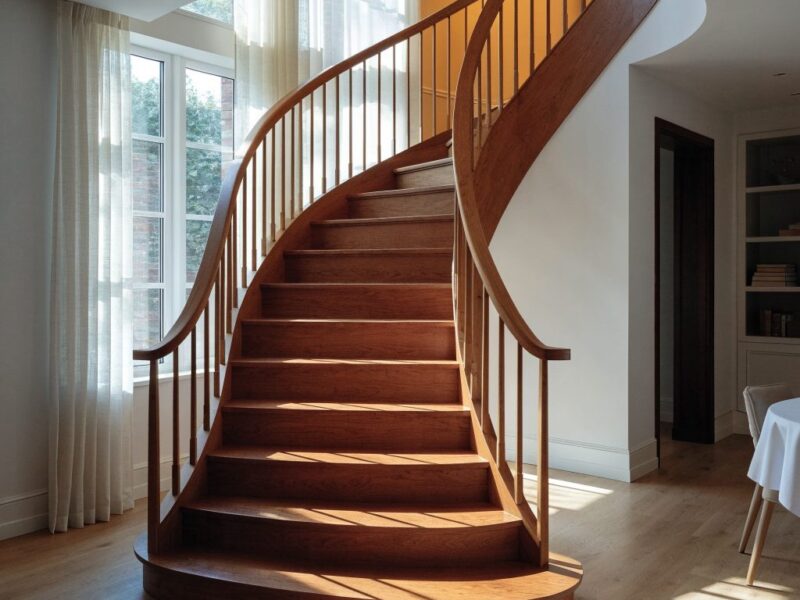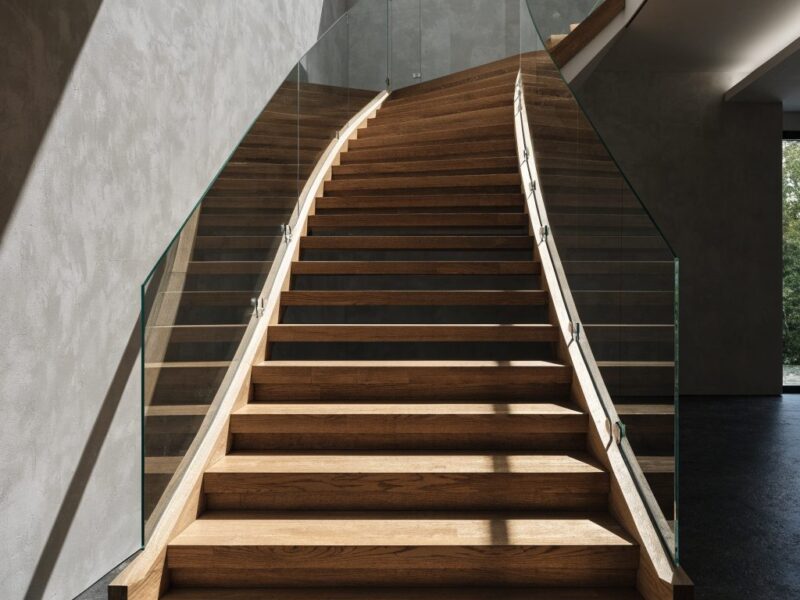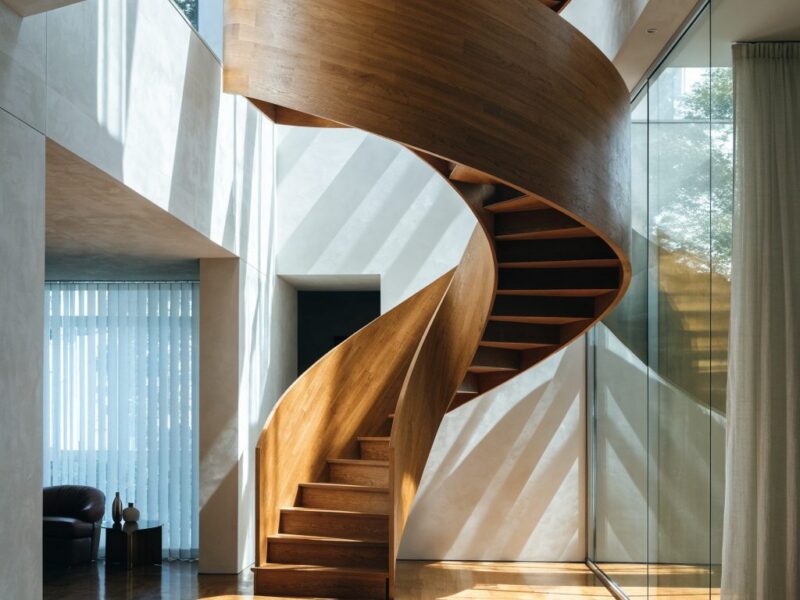
Alternating tread stairs, commonly known as „schody kacze” or „młynarskie” in Poland, offer a space-efficient solution for modern homes by saving up to 50% of floor space compared to traditional stairs. With a steep incline, they provide an innovative way to navigate between levels in tight areas, while their unique design ensures safety and functionality.
How do alternating tread stairs save space?
Alternating tread stairs save space by being designed with a steep angle, allowing for a reduction in floor space by up to 50%. This compactness is particularly beneficial in homes with limited room or in narrow corridors. Given their incline, these stairs can be an excellent fit for apartments or two-story homes where every square meter counts.
Does the design of alternating tread stairs affect safety?
Yes, the design significantly affects safety as the alternating tread structure requires users to start climbing with one specific foot, promoting stability. This ensures a consistent depth of the steps even with a steep angle of 60–70 degrees, making it safer than conventional steep stairs, provided they are equipped with robust handrails.
When should alternating tread stairs be used?
Alternating tread stairs are ideal for use in specific settings such as single-family homes, multi-level apartments, and access points to attics or non-living lofts. They are particularly advantageous in areas where traditional stairs would occupy too much space or be impractical.
How much headroom is required for alternating tread stairs?
Generally, alternating tread stairs require a headroom of at least 2 meters to ensure safe and comfortable passage. This measurement allows users to ascend and descend without the risk of bumping their heads, which is crucial in compact living environments.
Why are alternating tread stairs aesthetically appealing?
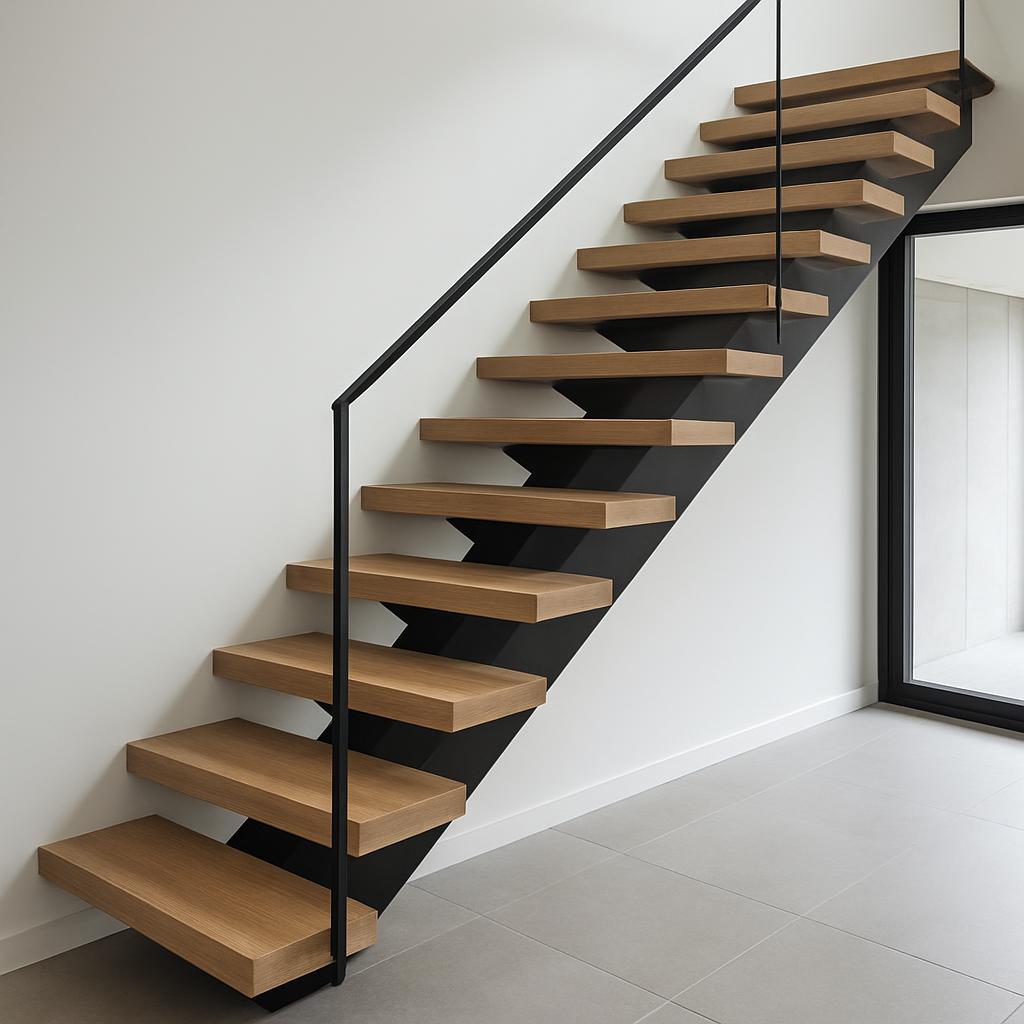
Alternating tread stairs can be made from materials like solid wood or steel and wood combinations, aligning with both Scandinavian and industrial design styles. Their modern look enhances interior spaces while fulfilling functional roles, serving as a stylish statement in home design.
Which dimensions are common for alternating tread stairs in Polish homes?
The standard width of alternating tread stairs in Polish homes typically ranges from 60 to 80 cm. This measurement makes them suitable for navigating narrow hallways or compact living areas, ensuring ease of use without sacrificing essential living space.
| Type of Stair | Required Space | Angle of Incline | Common Materials |
|---|---|---|---|
| Alternating Tread Stairs | 50% less than traditional stairs | 60–70 degrees | Wood, Steel-Wood Combinations |
| Traditional Stairs | Full width of the staircase | 30–45 degrees | Wood, Concrete, Metal |
| Spiral Stairs | Variable; often more than alternating tread | Various (depends on design) | Steel, Wood |
For those navigating the challenge of optimizing space, alternating tread stairs provide an innovative solution that combines efficiency and style while meeting safety requirements.