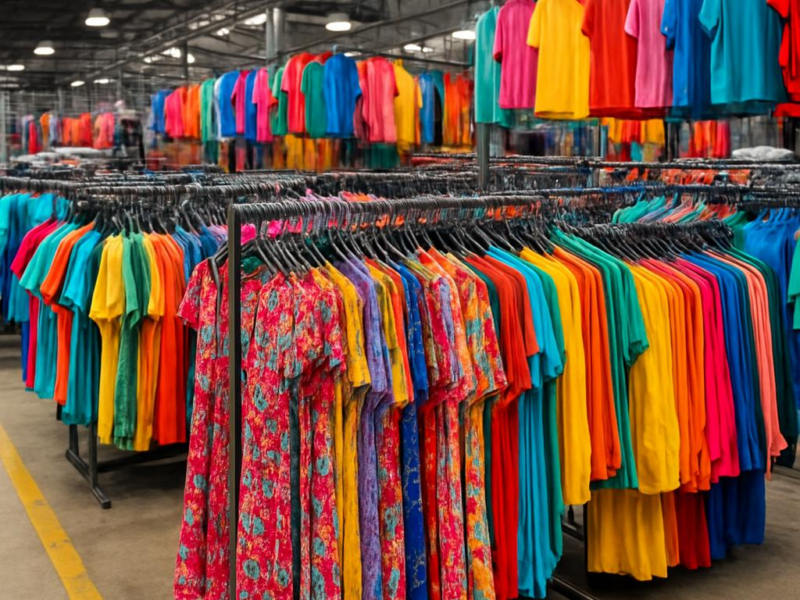
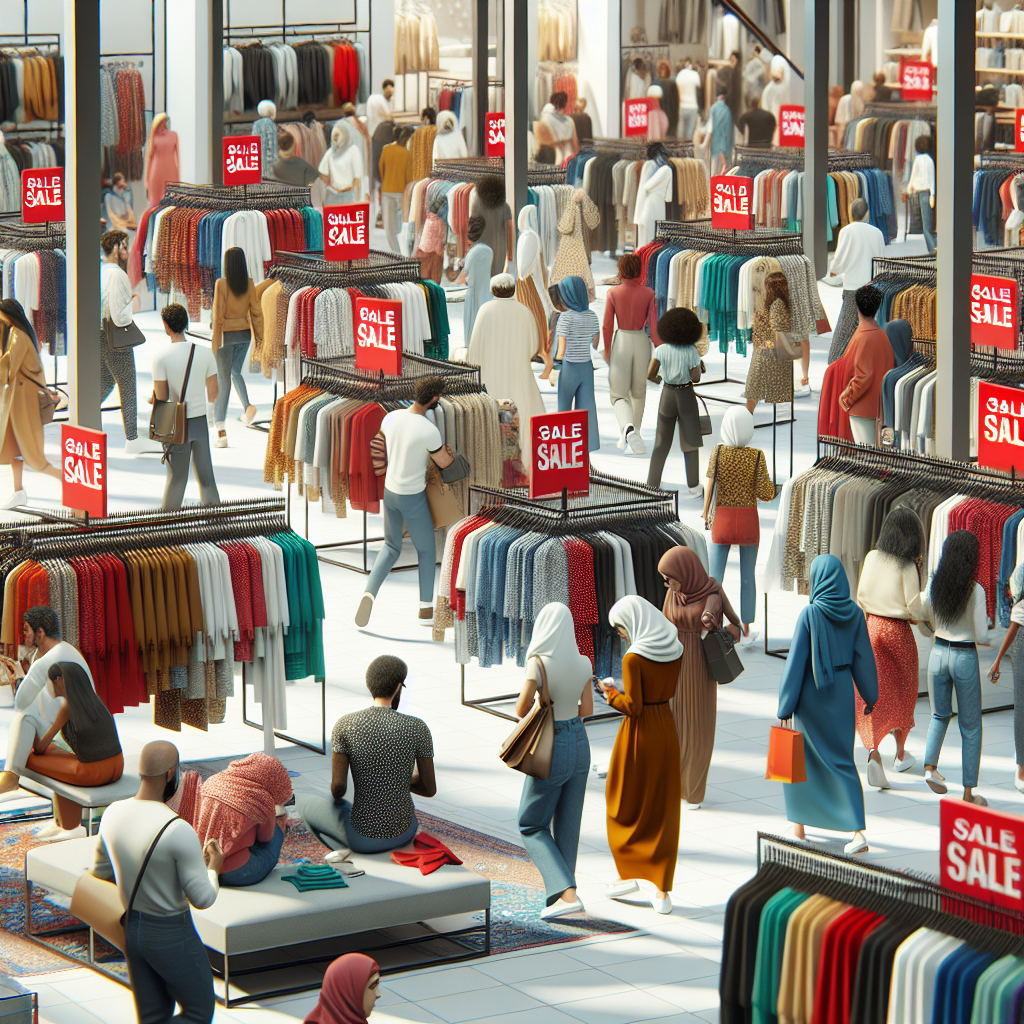
Clothing outlets have become a significant part of the fashion industry, offering consumers access to high-quality garments at reduced prices. These outlets provide a win-win situation for both retailers and consumers, as they help clear excess inventory while offering shoppers more affordable fashion. But what exactly makes clothing outlet stock profitable for retailers?
What is a Clothing Outlet?
A clothing outlet is a retail establishment that offers brand-name apparel at lower prices than traditional retail stores. These outlets often sell items from previous seasons, overstock items, or goods that may have slight imperfections. By selling directly to shoppers in an outlet format, retailers can cut operational costs associated with traditional retailing, translating to savings for the consumer.
Cost-Effective Operations
Retailers benefit from reduced operational costs when dealing with outlet stores, as these outlets are typically located in areas where rent is significantly lower compared to prime retail locations. This reduction in overhead allows stores to pass savings onto the customer while maintaining a healthy profit margin. By streamlining their operations and focusing on merchandise rather than lavish storefronts, retailers manage to maintain an efficient sales model.
Efficient Inventory Turnover
One of the main advantages of an outlet store is the ability to quickly turn over inventory. By clearing out previous season’s stock or excess items, outlets ensure that stock doesn’t sit stagnant, which is financially advantageous for retailers. Unmoved inventory is essentially losing money, so outlets provide a channel through which products can continuously move, facilitating better cash flow.
Attracting a Broader Customer Base
Clothing outlets are profitable because they cater to a diverse audience. Shoppers who may not be able or willing to purchase an item at full price can often find a more budget-friendly option at an outlet. This inclusivity draws in a broader customer base, providing retailers the opportunity to introduce their brands to a wider array of consumers.
- Brand Loyalty: Many shoppers find their favorite brands at a lower cost in outlets, building brand loyalty without breaking the bank.
- Impulsive Buying: With reduced prices, consumers are more likely to indulge in impulse purchases, boosting sales for retailers.
Quality and Perception
Outlets often carry the same high-quality items as regular retail stores, just at marked down prices. This perception of getting more for less enhances the customer experience and satisfaction, further encouraging sales. The perceived value of obtaining quality goods at a discounted rate increases consumer willingness to buy. Purchasing these items at a discount can feel like finding a hidden treasure for many shoppers, enhancing their shopping experience.
Retail Strategies and Seasonal Promotions
Clothing outlets often employ strategic promotions and seasonal sales to further entice shoppers. These events are not only perfect for clearing out end-of-season stock but also for drawing crowds and increasing foot traffic. With the strategic use of limited-time sales and exclusive in-store deals, outlets can generate hype and create a sense of urgency for buyers.
Sustainability Aspects
An often-overlooked benefit of clothing outlets is their role in sustainability. By ensuring products do not go to waste, outlets contribute to a more sustainable model of consumption. Reducing waste and promoting the use of available inventory allows retailers to engage in responsible retailing, which can also be a selling point for environmentally conscious shoppers.
Conclusion
Clothing outlets serve as a lucrative avenue for retailers to dissolve excess stock and maintain a steady revenue stream. With cost-efficient operations, effective inventory turnover, and wide-reaching sales promotions, outlet stores are cleverly positioned within the retail landscape to offer profitable solutions for brands. At the same time, they ensure consumers have access to fashion that suits both their styles and their budgets. By continuing to fill this unique niche, clothing outlets remain a significant and profitable segment of the retail industry.