HCR silicone, known as High Consistency Rubber, is a type of silicone rubber that offers exceptional mechanical strength and temperature resistance, making it ideal for various industrial applications in Poland. This article explores its unique properties, processing techniques, and applications across different sectors.
How does HCR silicone compare to other types of silicone?
HCR silicone is distinguished from other types such as LSR (Liquid Silicone Rubber) due to its solid form and superior mechanical properties. Unlike LSR, which is delivered in a liquid state, HCR comes in blocks, allowing for various processing methods like extrusion and molding. This solid form contributes to its high tear strength and durability under extreme conditions.
Why is the curing process important for HCR silicone?
The curing process is critical for HCR silicone as it determines the final properties and performance of the material. This process generally occurs under high temperature and can involve peroxide curing or platinum-catalyzed addition curing. Both methods enhance the material’s resistance to extreme temperatures ranging from -50°C to +300°C, making it suitable for demanding industrial environments.
Which industries benefit from using HCR silicone?
HCR silicone is widely utilized in the automotive, household appliances, and energy sectors. Its resilience and adaptability make it vital for applications requiring strong insulators and seals. For example, it is commonly used in automotive parts that require high resistance to wear and environmental factors, as well as in energy applications such as overhead insulators.
When should HCR silicone be used over other materials?
HCR silicone should be chosen over other materials when specific properties such as high mechanical strength, temperature resistance, and physiological neutrality are required. For applications in the medical and food industries, where compliance with FDA and BfR standards is necessary, HCR silicone’s biocompatibility makes it an excellent choice.
How is HCR silicone processed for various applications?
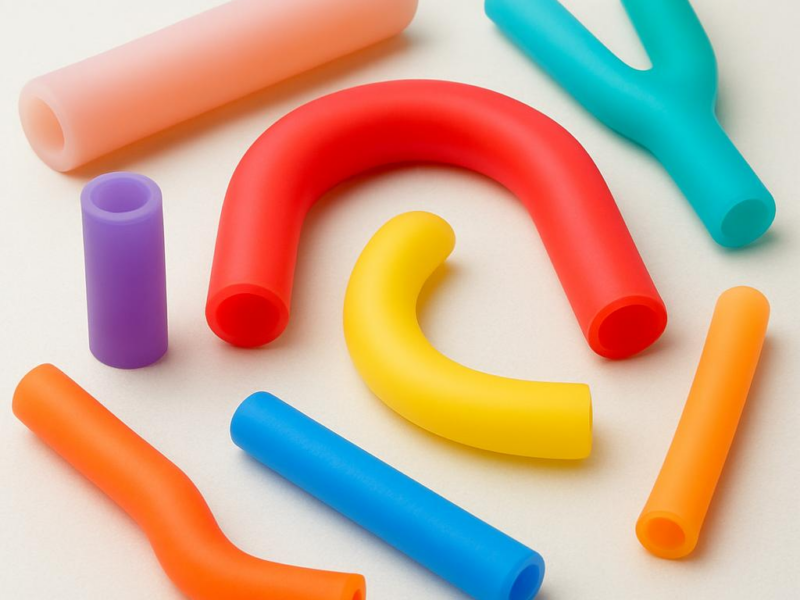
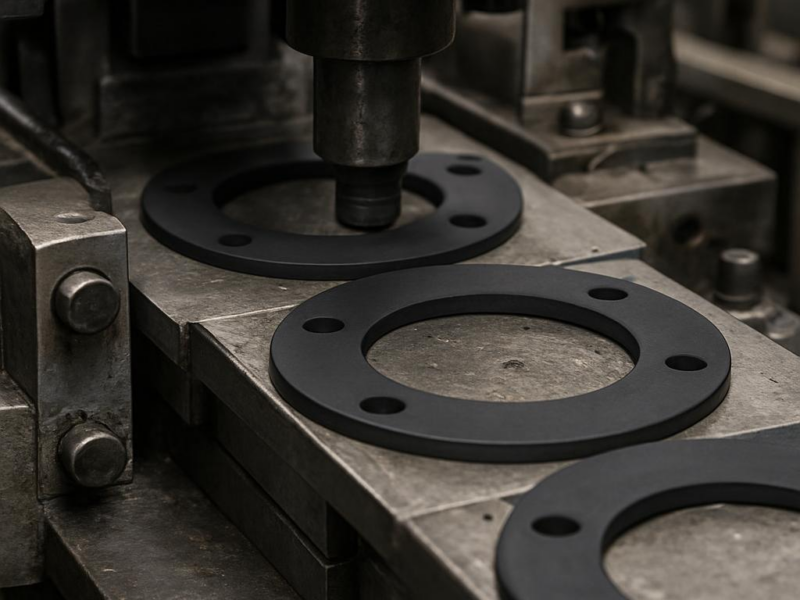
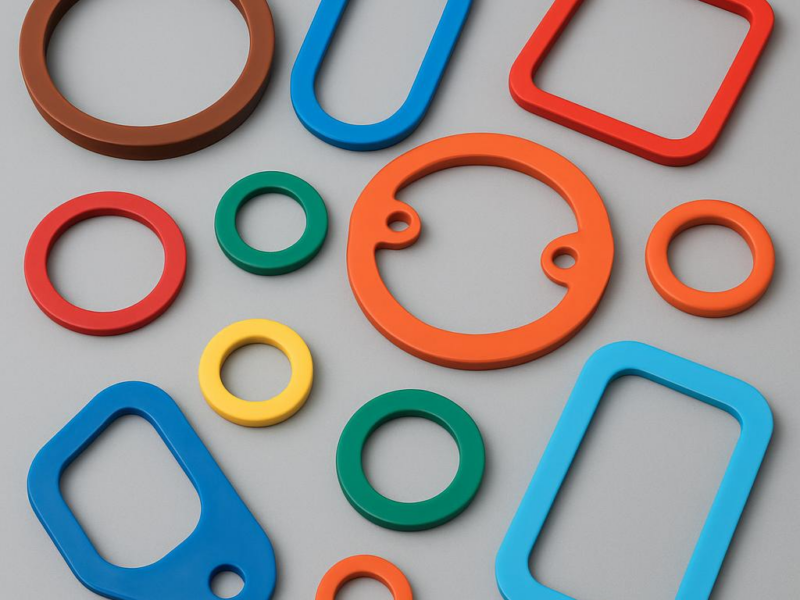
HCR silicone can be processed using techniques like extrusion for producing hoses and profiles, as well as compression and injection molding for manufacturing technical components. The processing allows the incorporation of fillers to modify properties, such as creating conductive or flame-resistant silicones, ensuring versatility in its applications.
What are the key properties of HCR silicone?
HCR silicone possesses several key properties, such as high tear strength, mechanical durability, and resistance to extreme temperatures. These attributes enable it to perform well in challenging conditions. For instance, HCR’s ability to maintain integrity at both low and high temperatures makes it suitable for a range of industrial applications.
| Property | Range |
|---|---|
| Tear Strength | High |
| Temperature Resistance | -50°C to +300°C |
| Physiological Neutrality | Certified for medical and food use |
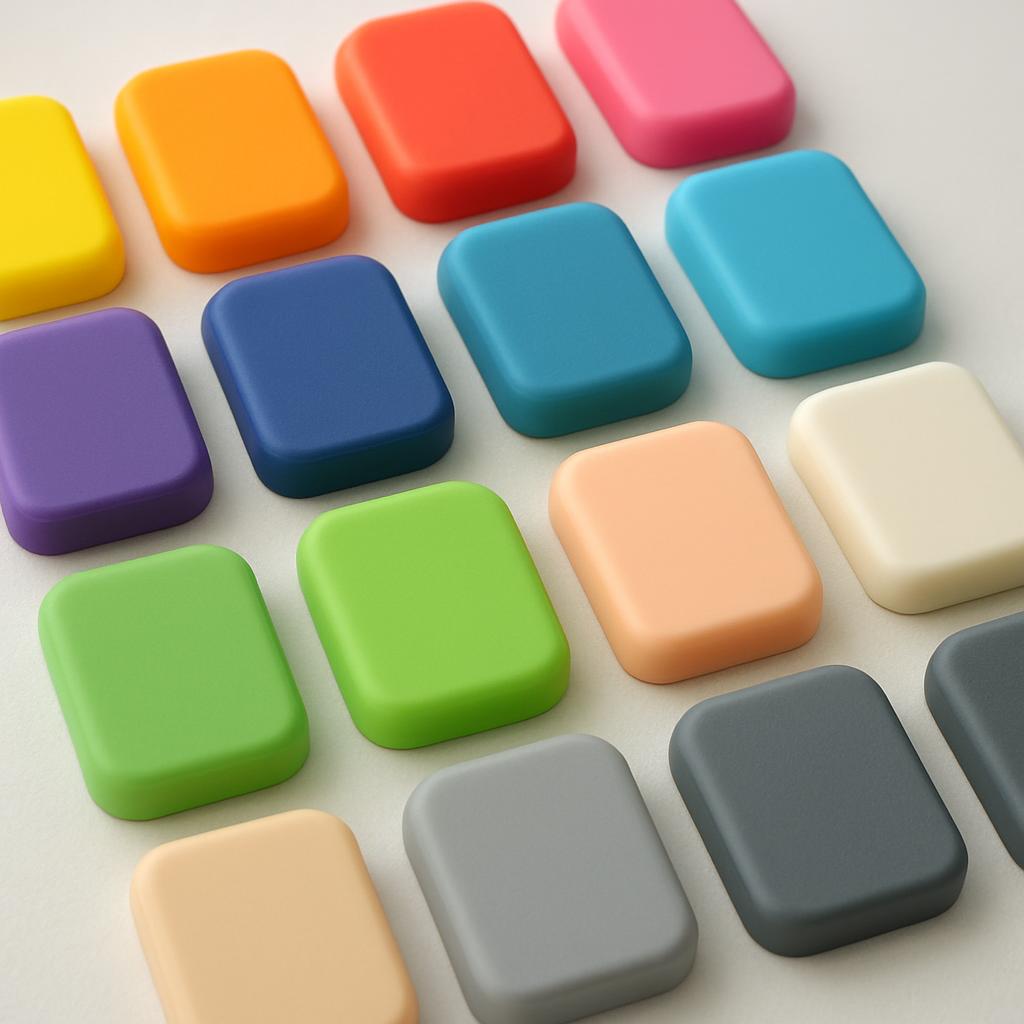
| Coloring Capability | Easy modification |
HCR silicone, with its unique properties and processing flexibility, represents a fundamental component in modern rubber processing in Poland. Its applications across various industries highlight its significance and growing demand, particularly where high performance and reliability are essential. For further exploration, visit hcr silicone for more detailed information on this versatile material.