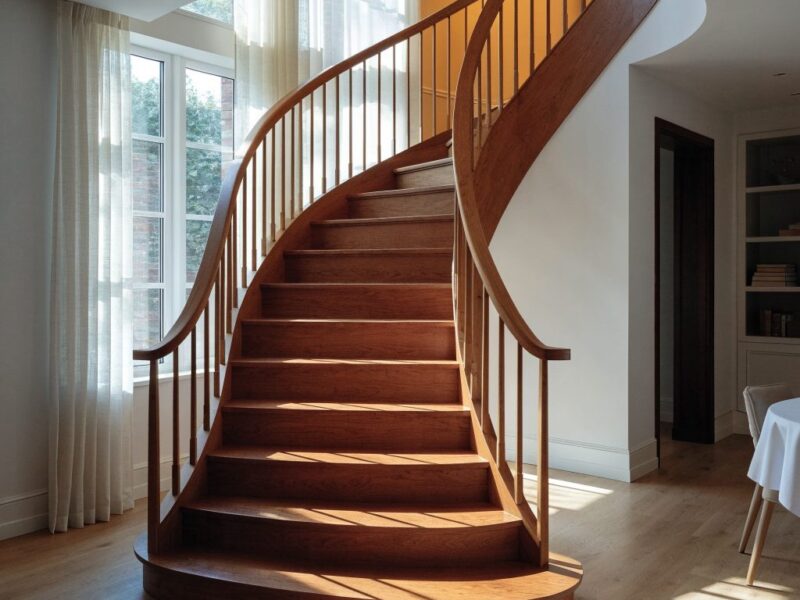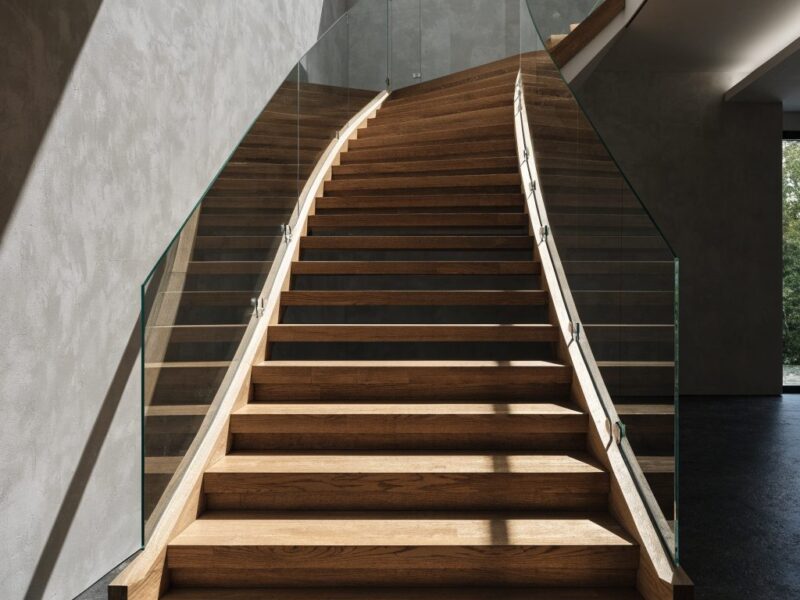
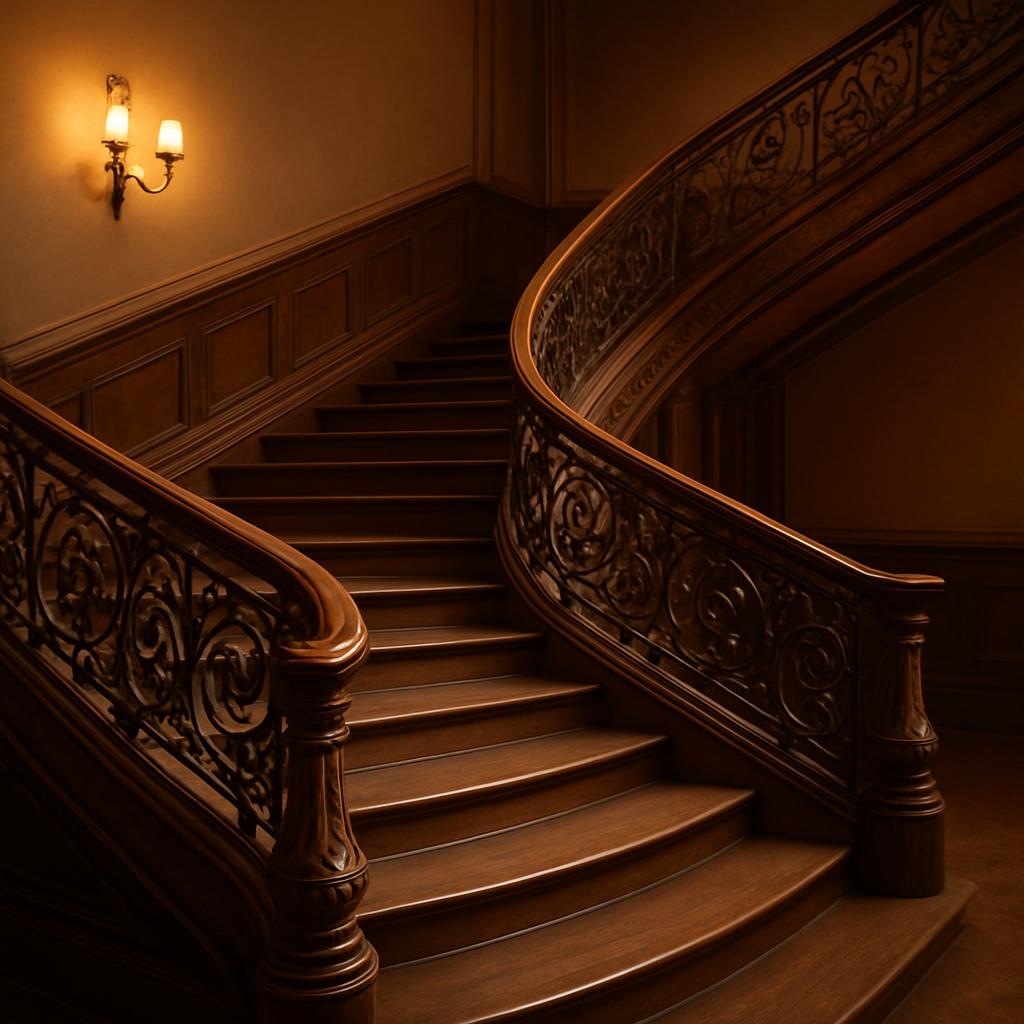
The cost of wooden stairs in Poland in 2024 ranges from approximately 10,000 to 15,000 PLN for simple designs, while advanced projects can exceed 40,000 to 60,000 PLN. Understanding factors like wood type, construction method, and design complexity is crucial for budgeting.
How much do wooden stairs cost in Poland?
The wooden stairs cost in Poland can start from about 10,000 to 15,000 PLN for basic, open structures. In contrast, more intricate designs, such as carpeted or cantilevered stairs, may run from 40,000 to 60,000 PLN or more. Factors influencing these costs include the type of wood used, design complexity, and overall construction.
In the market, softwoods like pine are the most affordable, while hardwoods—especially oak and exotic varieties—can be significantly more expensive but are more durable. For instance, a simple staircase made of ash or beech could be a good balance between cost and durability.
Which wood types impact the cost of stairs?
The type of wood you choose has a substantial impact on the overall cost of wooden stairs. Softwoods like pine are cheaper but less durable, while hardwoods like oak, beech, and ash represent mid-range options.
For example, while pine may start at lower prices, oak—being among the most expensive yet durable—can ensure longer-lasting stairs, thereby offsetting future renovation costs. Thus, selecting the right wood is essential for balancing initial investment and long-term benefits.
What construction methods affect stair pricing?
The construction method of wooden stairs significantly influences the price. The least expensive option involves wooden treads placed over an existing concrete structure, while self-supporting constructions and complex geometric designs, like spiral or shaped stairs, naturally entail higher costs.
For instance, if you choose stairs that are simple treads on concrete, you can save a considerable amount compared to opting for a self-supporting design, which adds complexity and structural engineering considerations to the project.
How can the choice of balustrade influence stair costs?
Choosing a balustrade can increase your overall stair budget by 30-40%. For instance, combining wood with stainless steel or tempered glass will drive up costs compared to simple wooden spindles.
An example of this is opting for a basic wooden balustrade, which complements your budget while providing adequate safety, versus a more elaborate design offering a contemporary style, which can substantially inflate your overall expenses.
What is the impact of finish on stair pricing and maintenance?
The type of finish applied to wooden stairs can influence both initial costs and maintenance requirements. Oil finishes are typically cheaper and allow for easier DIY renovations, whereas lacquer finishes tend to demand professional refinishing, adding to long-term maintenance expenses.
Choosing an oil finish may result in lower upfront costs and ongoing maintenance convenience, which can be attractive for DIY enthusiasts. In contrast, choosing a lacquer finish could lead to higher costs down the line due to the need for professional services.
How can you save on the cost of wooden stairs?
Savings on wooden stairs can be realized by selecting lower-grade wood or forgoing features like risers in open-step designs. Choosing wood with visible knots offers a rustic aesthetic and cost reduction compared to premium, clear-grain wood options.
For example, opting for wood classified as B-grade could create a unique style while significantly lowering the expenditure compared to A-grade materials, thus making your renovation project more financially manageable.
| Wood Type | Cost Range (PLN) | Durability |
|---|---|---|
| Pine | 10,000 – 15,000 | Low |
| Beech/Ash | 15,000 – 30,000 | Medium |
| Oak/Exotic Woods | 30,000 – 60,000+ | High |