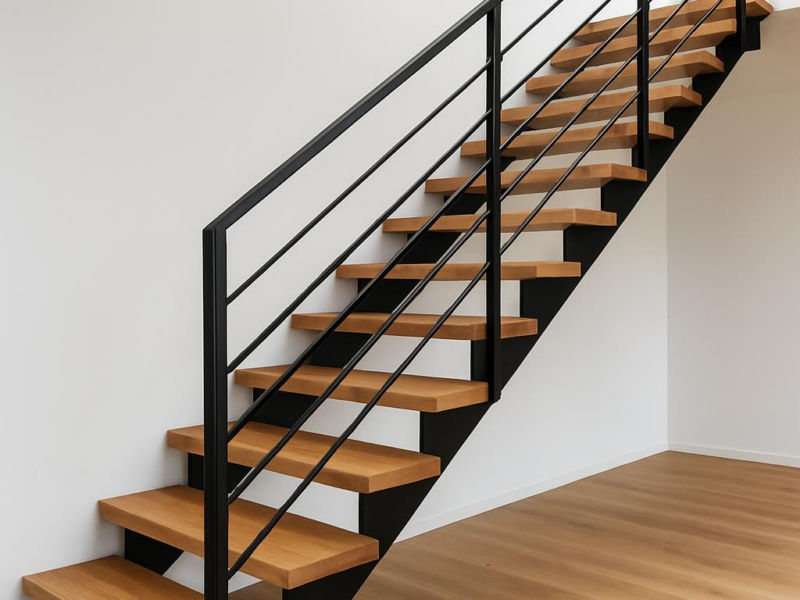
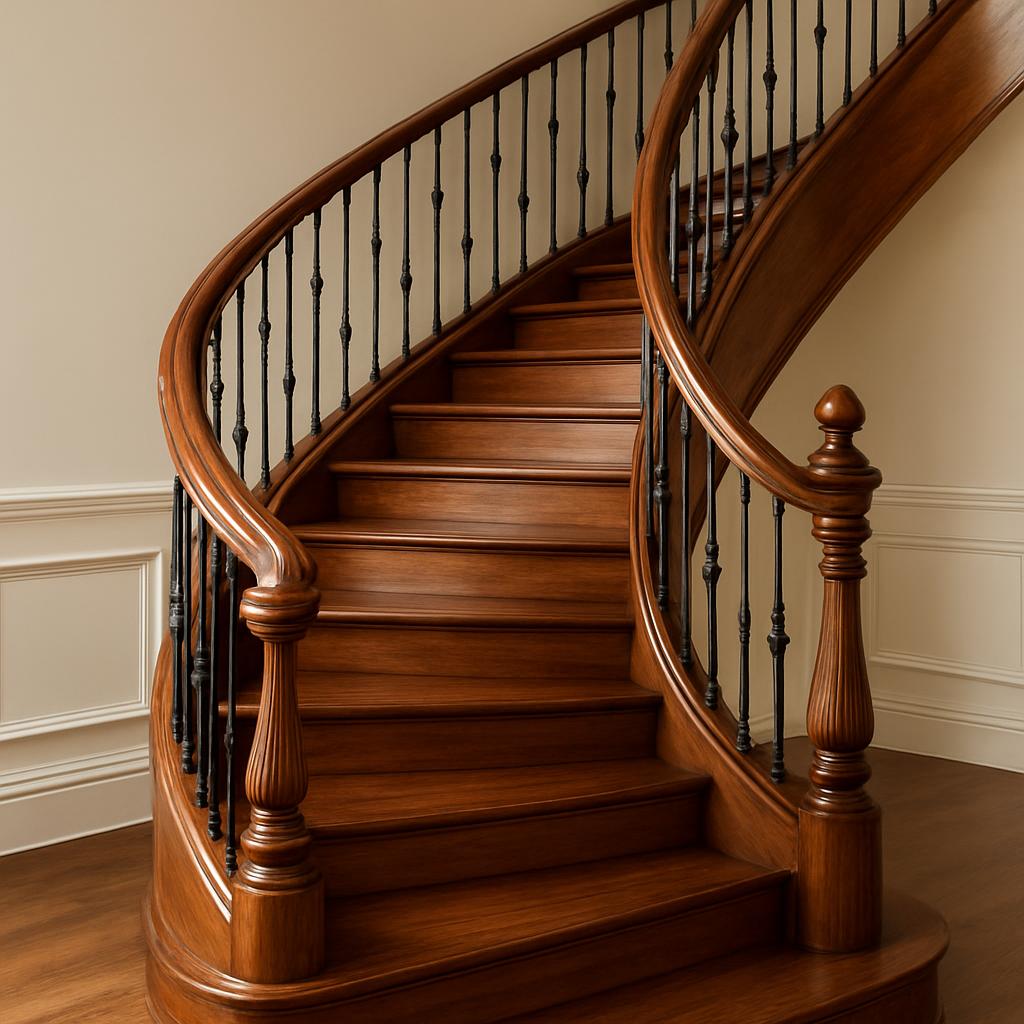
This 2026 wooden stairs buying guide highlights essential considerations such as selecting durable hardwoods like oak or hickory based on traffic and style preferences. It also discusses the importance of layout choices like straight or L-shaped designs for maximizing space while ensuring code compliance, along with the advantages of closed-riser designs for enhanced durability and aesthetics.
How to choose the right wood for wooden stairs?
Selecting the right wood for wooden stairs requires evaluating your style preferences, budget, and the expected traffic volume. Options such as oak, hickory, and maple each offer unique benefits, including durability and aesthetic appeal that align with various design choices. For instance, oak provides excellent wear resistance and is often favored for high-traffic areas due to its affordability.
Which staircase layout is the most space-efficient?
The most space-efficient staircase layouts are L-shaped and U-shaped designs. These configurations allow for landings that save space and provide aesthetic interest, making them ideal for homes with limited square footage. Straight staircases, while simpler and more cost-effective, require more room to accommodate their length.
Why opt for closed-riser designs in staircases?
Opting for closed-riser designs in staircases enhances durability and minimizes squeaking. This design not only adheres more easily to building codes but also offers a finished look that many homeowners appreciate. Closed risers also help prevent objects from falling through the stairs, making them a safer choice for families.
How much does wooden stair installation cost?
The cost of installing wooden stairs varies widely based on materials, design complexity, and installation labor. Estimating an overall budget involves considering the price of the wood—hardwoods typically cost more than softwoods—and any additional finishes or modifications needed for your particular staircase style. Homeowners can expect to invest anywhere from a few thousand to several thousand dollars depending on these factors.
Does prefabrication improve stair installation accuracy?
Yes, prefabrication significantly improves stair installation accuracy and speeds up the process. When wooden stairs are made off-site based on precise measurements, this minimizes discrepancies during installation. As a result, homeowners can enjoy a more streamlined install process, leading to higher satisfaction with the end product.
| Wood Type | Durability | Aesthetics | Cost |
|---|---|---|---|
| Oak | High | Consistent grain, warm colors | Moderate |
| Hickory | Very High | Bold grain, rustic feel | High |
| Maple | High | Smooth finish, light color | Moderate |
| Pine | Low to Moderate | Varied grain, soft character | Low |
When should you consider hardwoods over softwoods?
Hardwoods should be considered over softwoods when durability and longevity are paramount. Hardwoods, such as oak and hickory, are resistant to wear and denting, making them suitable for high-traffic areas in the home. Softwoods, like pine, may offer an initial cost advantage, but they typically lack the durability needed for robust stair treads.
Why are code requirements essential when designing stairs?
Code requirements are essential for ensuring safety and functionality in stair design. These regulations dictate specific parameters for things like tread depth, nosing consistency, and handrail specifications. Adhering to these codes helps prevent accidents and ensures that the stairs are suitable for regular use.
What are the benefits of using hardwoods for stair treads?
The benefits of using hardwoods for stair treads include enhanced durability, aesthetic appeal, and a longer lifespan compared to softwoods. Hardwoods are also better suited for high-traffic environments, providing peace of mind for homeowners concerned about wear over time.