Selecting the right silicone foam cords for your application is crucial. These versatile components are used in a wide range of industries, offering excellent performance in sealing, insulation, and cushioning applications. Their benefits stem largely from their diverse density grades and compression force deflection characteristics, making them suitable for various needs. Understanding these properties allows you to select the most appropriate cords for your specific requirements.
Understanding Silicone Foam Cords
Silicone foam cords are essential components known for their flexibility, resilience, and ability to withstand extreme temperatures. They are widely used in industries like automotive, aerospace, electronics, and construction for their superior performance in sealing and insulating applications. One of the keys to their widespread use is their ability to cater to different density grades and compression force deflection requirements.
Density Grades of Silicone Foam Cords
The density of silicone foam cords refers to the mass per unit volume. Different applications require cords of varying density to meet specific functional criteria. Higher density foam cords are typically more robust and provide better support, ideal for applications that demand durability and strength. Conversely, lower density cords are more suited to applications requiring light, flexible, and compressible materials.
The selection process of an appropriate density grade will often depend on the environmental conditions and the mechanical demands of the application. For example, in automotive applications where vibration damping is critical, a medium-density silicone foam cord may be preferred.
Compression Force Deflection
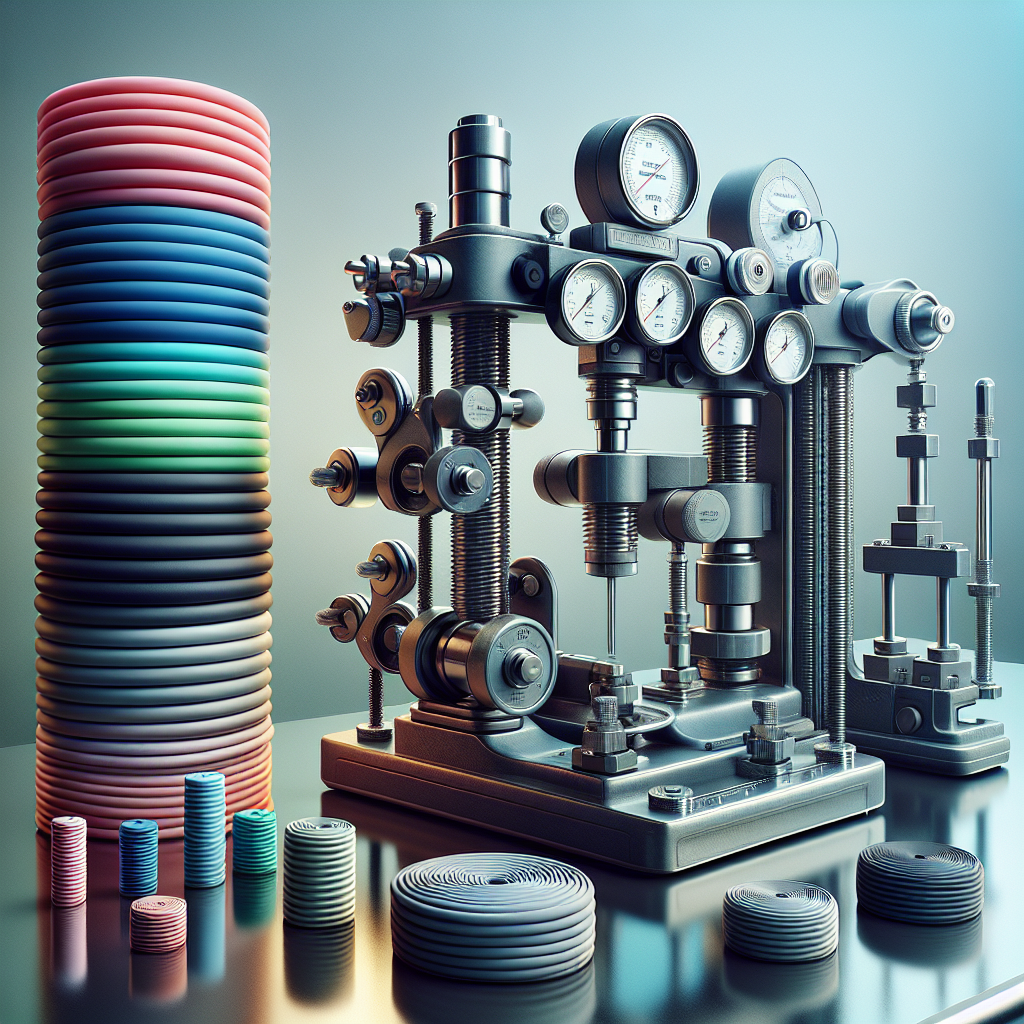
Compression Force Deflection (CFD) is a critical property when selecting silicone foam cords. It measures the material’s response to compressive forces, essentially quantifying how much the foam deforms under a specific load. This is crucial for applications where the foam must maintain contact under pressure or create an effective seal.
Understanding CFD helps in predicting the performance of the foam cords under operational conditions. Silicone foam cords with high CFD values are typically used in applications that need greater force to compress, such as gasketing. On the other hand, cords with low CFD values are better suited for applications requiring softer compression with minimal loading forces.
Applications and Benefits
The unique combination of density grades and CFD properties allows silicone foam cords to excel in a variety of settings. In the aerospace industry, these cords provide seals that are crucial for maintaining cabin pressure and protecting sensitive equipment from temperature fluctuations. In electronics, they offer excellent insulation properties, crucial for safeguarding components from environmental interference.
Beyond these, the compressibility and durability of silicone foam cords make them ideal for dynamic environments, ensuring consistent performance and longevity. Their versatility is unmatched, especially when custom formulations and precise specifications are needed for specialized applications.
Factors to Consider When Selecting Silicone Foam Cords
Choosing the right silicone foam cords involves careful consideration of several factors:
- Environmental Conditions: Temperature, humidity, and exposure to chemicals or UV radiation can all influence the choice of material grade.
- Mechanical Requirements: Consider the mechanical stress the material will endure and select the appropriate density and CFD.
- Dimensional Specifications: Ensure the cords are available in sizes that are compatible with your application’s dimensional requirements.
In addition to these factors, it’s essential to understand the lifecycle and maintenance requirements of the foam cords you plan to use. Keeping these considerations in mind will ensure you select a product that meets both immediate and long-term needs.
Finding Quality Silicone Foam Cords
When looking for silicone foam cords, it’s important to source from reputable suppliers who can provide materials engineered to precise specifications. High-quality producers will offer a range of options, along with technical support to help you make informed choices.
Partnering with a trusted supplier ensures you get not only the best material but also the guidance necessary to optimize performance and cost-effectiveness in your application. This collaboration can be invaluable in complex industries where precision and reliability are paramount.
Conclusion
Selecting the right silicone foam cords requires a balanced understanding of the application’s demands and the material’s properties. By focusing on density grades and compression force deflection, you can make informed decisions that align with your operational needs and environmental conditions. This strategic approach to selection ensures better performance, longevity, and overall effectiveness of the silicone foam cords in your applications. Whether it’s for sealing, insulation, or cushioning purposes, the right choice of silicone foam cords can make a significant difference in achieving operational excellence.