
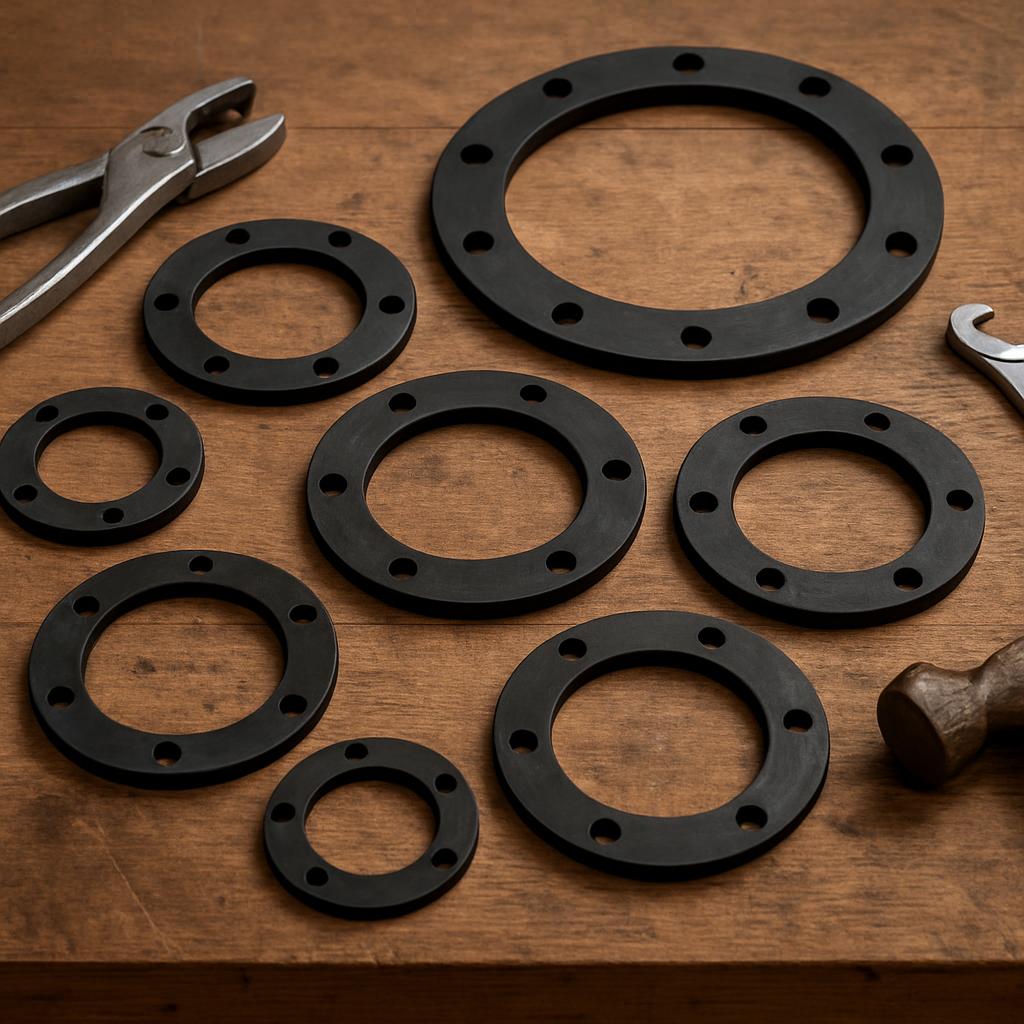
Vulcanized gaskets are durable solutions for sealing applications subjected to extreme conditions. Their inherent strength from chemical bonding eliminates weak points found in glued alternatives, making them ideal for dynamic and challenging environments. Widely used in industries like machine engineering and construction, these gaskets provide exceptional performance.
How do vulcanized gaskets achieve their strength?
Vulcanized gaskets achieve their strength through a chemical process that forms cross-linking bonds between the rubber molecules. This method ensures that the joints created during production match the durability of the surrounding material. Unlike gluing, which may leave the seal susceptible to environmental factors, vulcanization creates a cohesive structure that remains consistent in its physical properties.
Does temperature affect the performance of vulcanized gaskets?
Yes, temperature significantly affects the performance of vulcanized gaskets. They are designed to maintain their elasticity and sealing capabilities in extreme temperatures, often ranging from -40°C to over +200°C depending on the rubber compound. This temperature resilience allows them to function effectively in various industrial applications, ensuring reliability in diverse environments.
When should you use vulcanized gaskets?
Vulcanized gaskets should be used in applications where exposure to dynamic loads, corrosive chemicals, or extreme temperature variations is expected. Their robust construction makes them suitable for sealing in high-pressure systems and vacuum applications. For example, they are commonly employed in the food industry and in large-scale construction projects that require dependable sealing solutions.
Why are vulcanized gaskets preferred over traditional adhesives?
Vulcanized gaskets are preferred over traditional adhesives because they eliminate weak points that can arise from glued joints. While adhesive bonds can harden or degrade when exposed to chemicals or temperature changes, vulcanized seals remain intact, ensuring consistent performance throughout their lifespan. This durability translates to fewer maintenance issues and lower operational costs in industrial settings.
Which industries benefit the most from using vulcanized gaskets?
Industries that benefit the most from using vulcanized gaskets include manufacturing, food processing, and construction. Their ability to withstand aggressive environments while maintaining reliable seals makes them essential in machine engineering, automotive applications, and large-scale industrial projects. For example, precision in sealing critical components is crucial for machinery in the food sector, where maintaining hygiene standards is paramount.
What are the key advantages of vulcanized gaskets?
Among the key advantages of vulcanized gaskets are their unmatched mechanical and thermal resistance. They are not only flexible and airtight, but they also provide excellent chemical resistance. Additionally, the process allows for customization in shape and size without the need for expensive molds, which can be particularly beneficial for producing bespoke solutions. The following table summarizes some of these advantages:
| Advantage | Description |
|---|---|
| Durability | Consistent strength at the bonding site, comparable to the rest of the material. |
| Temperature Resistance | Effective in a wide range of temperatures, ensuring capability under harsh conditions. |
| Chemical Resistance | Eliminates degradation due to exposure to harsh chemicals. |
| Customizability | Can be made in various shapes without the high costs of molds. |
For applications requiring reliable sealing solutions, vulcanized gaskets represent a superior choice, offering sustainable advantages across multiple industries.