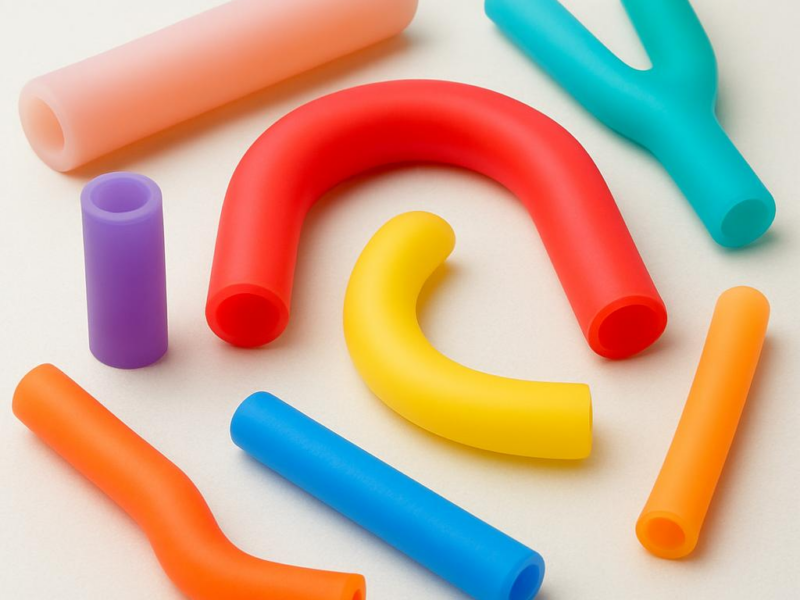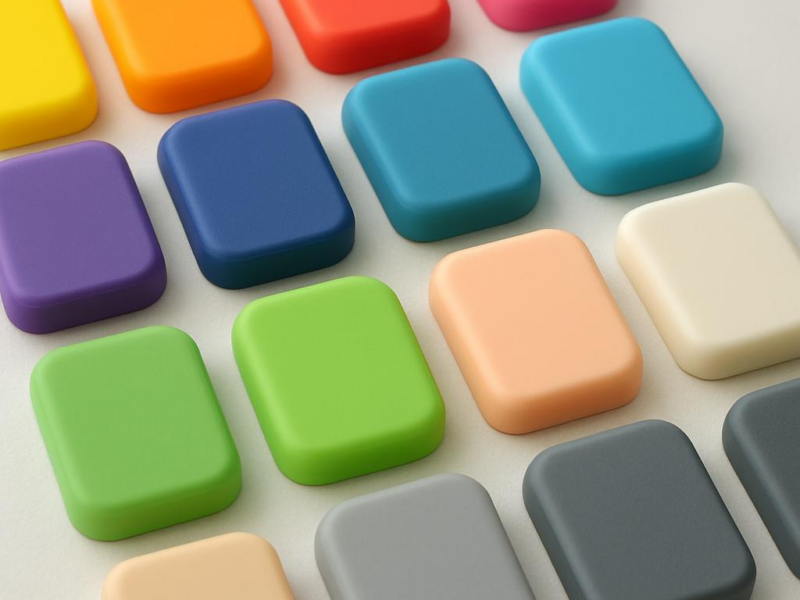
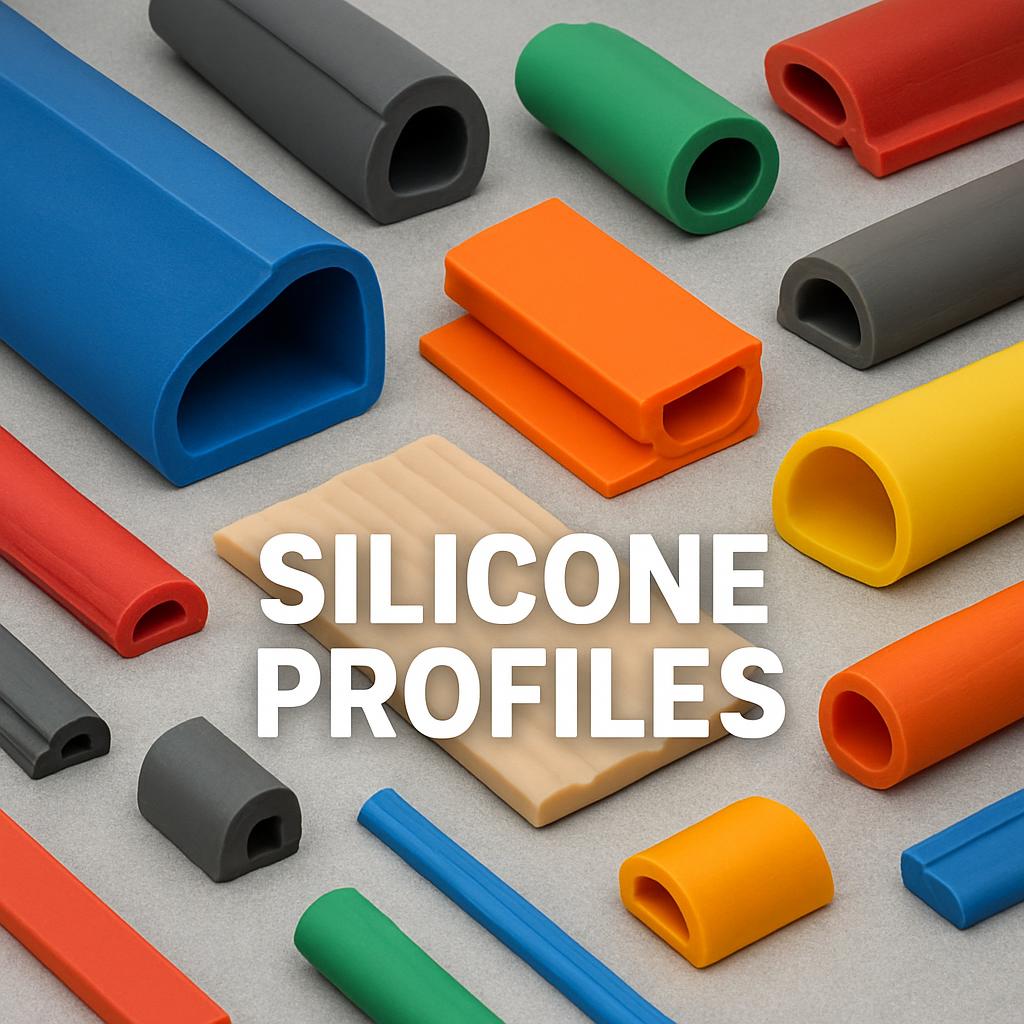
Silicone profiles are versatile sealing and construction elements known for their exceptional thermal and chemical resistance, making them invaluable in industries such as food processing and machinery. Additionally, they come in a variety of shapes and can be customized for specific applications, providing reliable performance in extreme conditions.
How are silicone profiles manufactured?
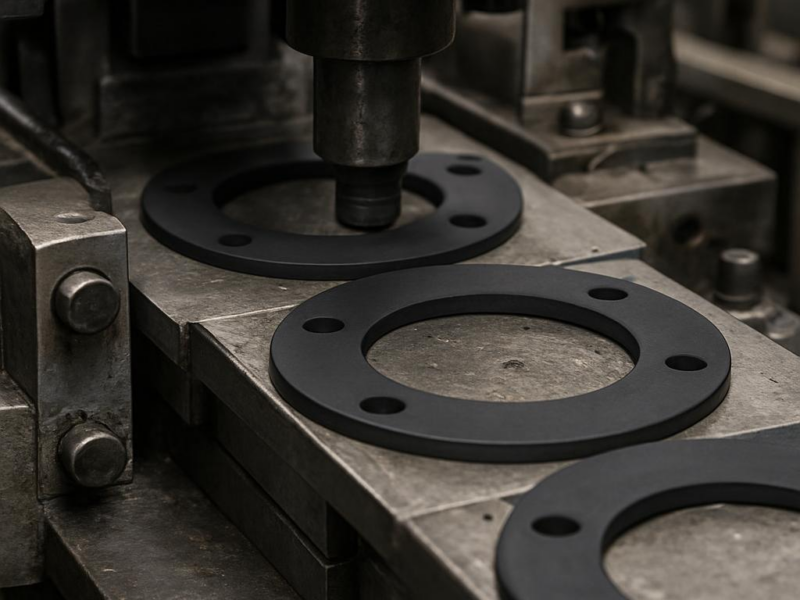
Silicone profiles are manufactured using a process called extrusion, which involves pushing silicone rubber through a die to create a specific shape. This method allows for the production of a wide range of profiles including simple cords and complex technical shapes, ensuring varied applications across different industries. For instance, this manufacturing technique permits the customization of profiles to meet specific technical requirements.
Why are silicone profiles preferred over traditional rubber?
Silicone profiles are preferred over traditional rubber materials like EPDM or NBR primarily due to their superior performance in extreme temperatures and hygienic conditions. Unlike standard rubber, silicone exhibits outstanding resistance to heat, cold, and chemical exposure, making it especially useful in applications that encounter these elements. For example, silicone profiles can withstand temperatures ranging from -50°C to +200°C, unlike many traditional rubbers that degrade under similar conditions.
Which industries benefit from silicone profiles?
Silicone profiles are widely utilized in industries such as food processing, medicine, construction, and lighting. Their non-toxic, odorless nature and regulatory certifications allow for safe contact with food and potable water, which is critical in the food industry. Moreover, in medical applications, silicone’s biocompatibility ensures that it does not adversely affect human health, making it a go-to choice for medical device manufacturers.
When should you choose different hardness levels of silicone profiles?
The hardness of silicone profiles is measured on the Shore A scale, typically ranging from 30 to 80 Shore A. Selecting the appropriate hardness is crucial for ensuring proper sealing under specific mechanical pressures. For example, softer profiles (around 30-40 ShA) may be suitable for applications requiring flexibility, while harder profiles (above 60 ShA) are often chosen for more demanding sealing applications where structural support is necessary.
How do silicone profiles enhance LED lighting systems?
Silicone profiles significantly enhance LED lighting systems by providing protection against UV light, which helps to prevent yellowing and degradation over time. Their flexibility and resilience under varying environmental conditions make them ideal for modern architectural lighting designs. With their ability to maintain transparency and elasticity, silicone profiles ensure that LED fixtures remain visually appealing and functional for years.
What is the range of shapes available for silicone profiles?
Silicone profiles come in various shapes including U, T, L, e, round cords, rectangular forms, and specialized edge seals reinforced with steel. This diversity enables manufacturers and users to select the ideal profile shape suited to specific applications, such as in sealing ovens, insulating pipes in medical devices, or as protective casings for LED strips. The choice of form is influenced by the particular requirements of the application at hand.
How do you select a suitable silicone profile for your application?
Choosing the right silicone profile involves considering several factors such as the intended use, environmental conditions, and required physical properties like hardness and shape. Understanding these aspects ensures optimal performance and durability of the silicone profile in its designated application. For example, selecting a profile with a hardness of 70 ShA for a high-pressure sealing application will ensure effective performance without compromising on flexibility.
| Property | Standard Range | Special Versions |
|---|---|---|
| Temperature Resistance | -50°C to +200°C | Up to +300°C |
| Hardness (Shore A) | 30 to 80 | Customized per application |
| Chemical Resistance | Excellent | Specific formulations available |
| Certifications | PZH, FDA | Additional industry-specific certifications available |