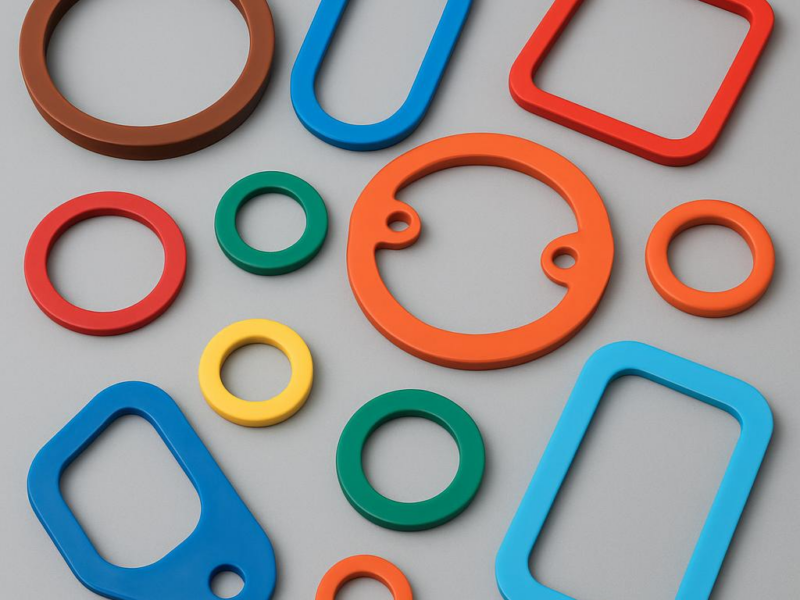
Vulcanized gaskets are essential components in various industries due to their enhanced mechanical and chemical properties resulting from the vulcanization process. This method creates durable and flexible seals by converting raw elastomers into a stable structure capable of handling tough conditions.
How does the vulcanization process work?
The vulcanization process transforms raw elastomers into a durable material through heat and pressure. During this chemical process, sulfur or other cross-linking agents bond the polymer chains, resulting in enhanced elasticity and durability. For instance, EPDM and NBR are commonly used elastomers that benefit from vulcanization, leading to superior performance in demanding environments.
Why are vulcanized gaskets superior to glued gaskets?
Vulcanized gaskets offer greater strength and reliability compared to glued alternatives. Since the vulcanization process creates molecular bonds, it eliminates weak points commonly found in adhesive joints, ensuring a uniform material throughout. This characteristic proves invaluable in applications where leakage and seal integrity are critical, such as in the automotive and construction industries.
When should vulcanized gaskets be used?
Vulcanized gaskets are ideal in situations where high sealing requirements exist, such as in automotive, railway, and facade systems. These applications demand excellent resistance to environmental factors and stress, making vulcanized gaskets a preferred choice. For example, the railway industry adheres to EN 45545 standards, which emphasize the use of high-quality sealing materials to ensure safety and dependability.
Which production methods are used for vulcanized gaskets?
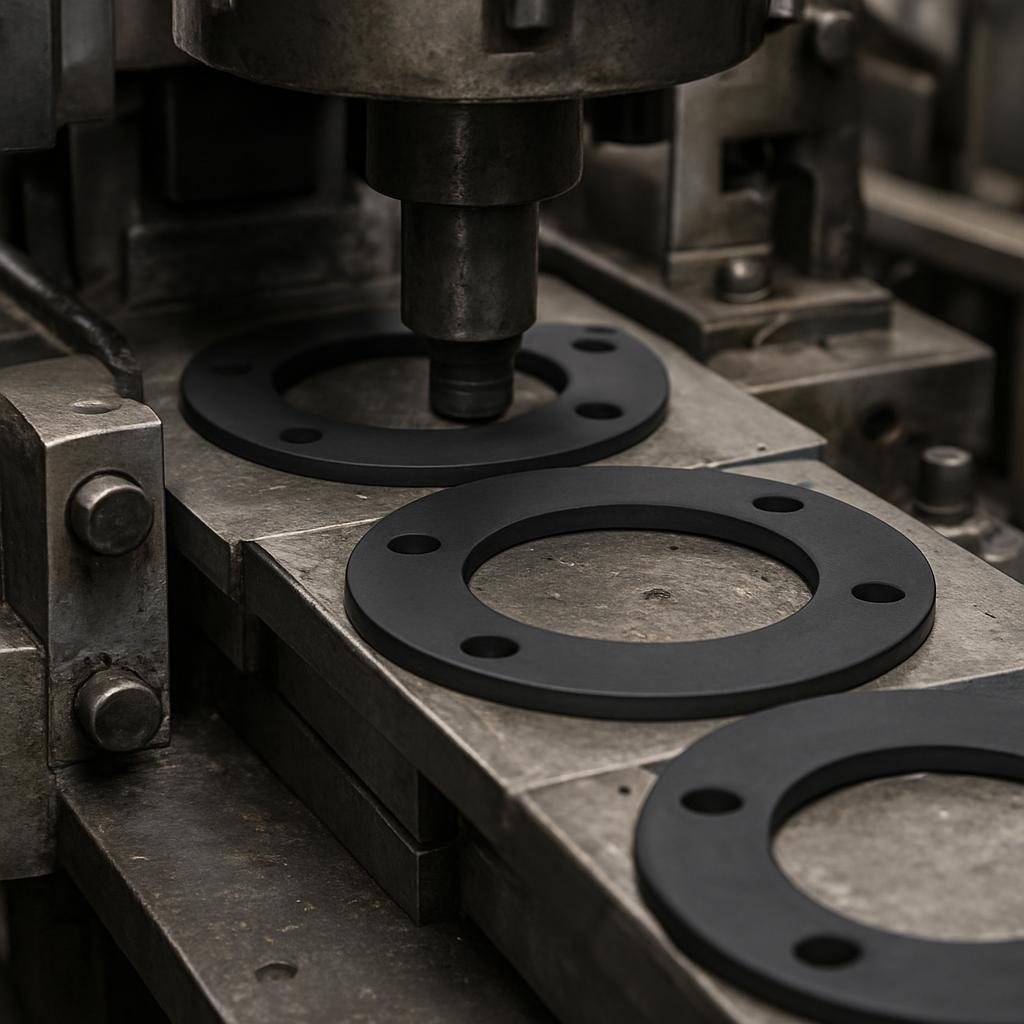
Two primary methods of producing vulcanized gaskets are compression molding and continuous vulcanization. Compression molding involves shaping rubber in a mold under pressure and heat, while continuous vulcanization uses processes such as microwave or salt tunnel systems for extruded profiles. Each method has its applications, with compression molding being popular for complex shapes and continuous vulcanization for high-volume manufacturing.
How do different rubber mixtures affect the performance of gaskets?
The choice of rubber mixture significantly influences the performance characteristics of vulcanized gaskets. For example, EPDM excels in outdoor conditions due to its weather resistance, while NBR is suited for oil exposure. Silicone gaskets, on the other hand, perform well in extreme temperature situations. Selecting the appropriate elastomer is crucial to ensure longevity and effectiveness in specific environments.
| Rubber Type | Best for | Key Properties |
|---|---|---|
| EPDM | Outdoor Applications | Weather resistant, durable |
| NBR | Oil and Fuel Applications | Oil resistant, high tensile strength |
| Silicone | High-Temperature Applications | Temperature resistant, flexible |
Vulcanized gaskets are a critical component in many industries, providing robust on-site sealing solutions. Understanding the benefits of the vulcanization process, including increased durability and superior material properties, is essential for selecting the right gasket for any application. If you are looking for more information about vulcanized gaskets, consider how these materials apply to specific industry requirements.