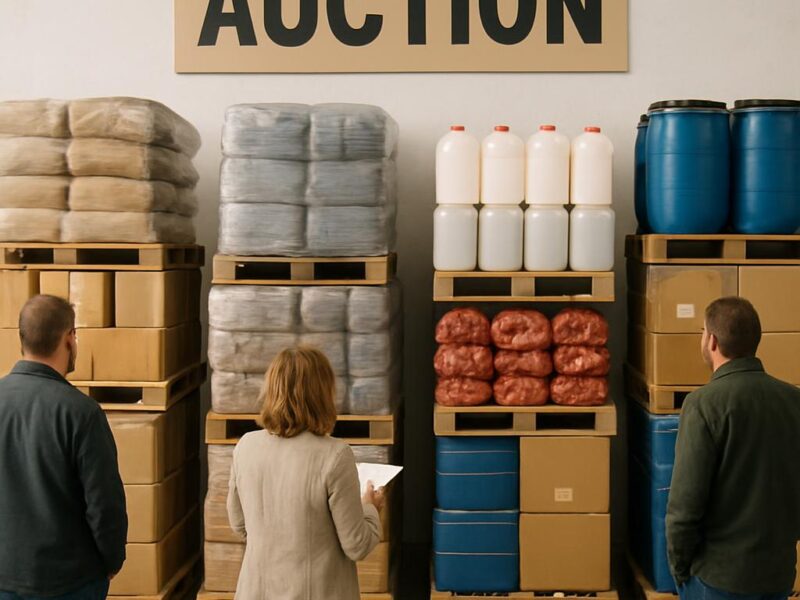

Stock hurt is a rapidly growing retail model in Poland prevalent during times of economic inflation. It involves purchasing surplus stock from manufacturers at discounted prices, making premium goods accessible to consumers while supporting sustainable practices.
How does stock hurt operate?
Stock hurt operates by buying excess inventory, end-of-season products, returns, or display items from manufacturers and large retailers at significantly reduced prices. These goods are then sold at lower prices, appealing to budget-conscious consumers. The model thrives on the combination of low acquisition costs and the ability to offer premium goods.
Why is stock hurt growing in popularity in Poland?
The popularity of stock hurt in Poland is largely driven by rising inflation and decreasing consumer purchasing power, prompting shoppers to seek premium brands at bargain prices. In this economic climate, more consumers are shifting to stock hurt options to maintain their purchasing habits without breaking the bank. This trend reflects a significant behavioral change in shopping practices, with an increasing number of people exploring discount outlets and stock merchandise.
When did stock hurt become significant in the retail market?
Stock hurt began gaining traction in the Polish retail market around the rise of off-price retailers, correlating with broader economic shifts and consumer behaviors. As living costs soared, more retailers entered this space, providing consumers with more affordable alternatives. The integration of wholesale stock strategies has made this business model a staple of the retail landscape.
How does stock hurt impact the environment?
Stock hurt positively impacts the environment by promoting a „zero waste” philosophy and supporting circular economy initiatives. By rescuing goods from potential disposal or destruction, it helps extend the lifecycle of quality products and minimizes waste. This practice aligns with the growing awareness and demand for sustainable shopping options, which consumers increasingly prefer.
Which categories dominate the stock hurt market?
The stock hurt market in Poland primarily dominates in three categories: fashion apparel, footwear, and hard goods such as household appliances and electronics. These categories not only meet the demands of budget-conscious consumers but also cater to various lifestyle needs, reinforcing the appeal of stock hurt stores.
| Category | Examples | Market Characteristics |
|---|---|---|
| Fashion | Clothing, Accessories | High demand during seasonal changes, with significant discounts offered. |
| Footwear | Sneakers, Boots | Seasonal trends influence purchase decisions, with major brand overproduction fueling stock. |
| Hard Goods | Electronics, Household Appliances | Often come from excess stock or returns, appealing to consumers seeking bargains. |
In addition to these thriving categories, the model benefits from lower entry barriers for new retailers. Starting a stock hurt store requires significantly less capital investment compared to traditional franchises. This accessibility encourages more entrepreneurs to explore this lucrative market, often resulting in margins that can exceed 100-200% per item.
What are the barriers to entry in the stock hurt market?
Barriers to entry in the stock hurt market are low, primarily due to reduced initial capital requirements and manageable operational costs. Entrepreneurs can establish stock hurt stores with smaller investments compared to conventional retail businesses. However, successful navigation of the supply chain and sourcing quality inventory remains crucial for profitability.
What is the future outlook for stock hurt in Poland?
The future of stock hurt in Poland looks promising as consumers continue to prioritize affordability and sustainability. The expansion of online and offline outlets specializing in surplus merchandise is likely to grow. The model’s resilience during economic downturns indicates that it will remain an essential part of the retail landscape moving forward.