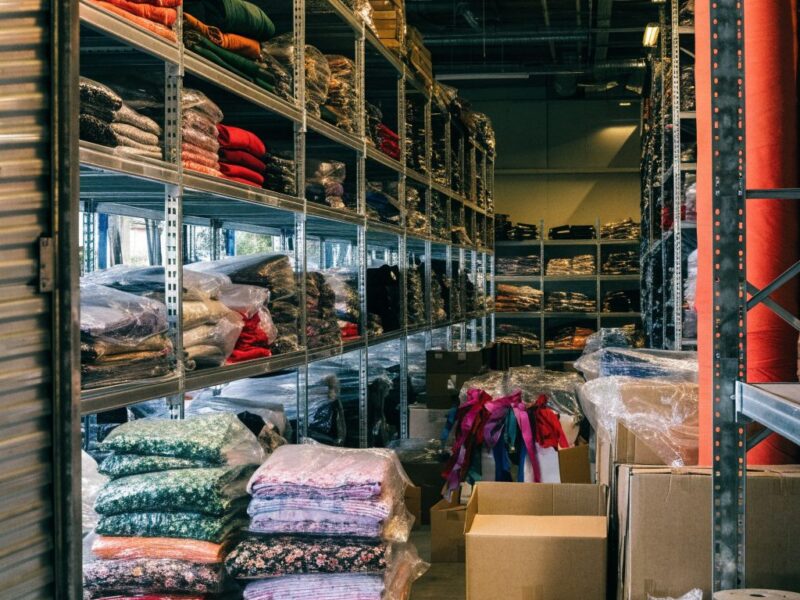

To build a profitable assortment with wholesale fashion stock, it is essential to focus on targeted purchasing, ensuring that the items align with customer demands. Success in this market hinges on quality control, compliance with legal regulations, and strategic logistics management.
How can I achieve high margins with wholesale fashion stock?
It is possible to achieve margins of 200–400% by purchasing wholesale fashion stock, particularly when sourcing clearance items. The price per unit can be 60–90% lower than regular pricing, allowing for significant profit when sold at retail. Retail analysis indicates that strategically selecting high-demand stocks can maximize profitability in the fashion sector.
Does product selection impact profitability?
Yes, effective product selection is critical for maximizing profitability in wholesale fashion stock. Choosing stock categorized as A (new with tags) and B (consumer returns with minor defects) enhances profit margins. For instance, focusing on specific categories like premium women’s clothing or branded sports footwear can lead to higher sales due to increased consumer interest.
When should I plan my wholesale fashion stock purchases?
Planning should occur 3-6 months in advance to align purchases with seasonal demand. Bulk buying winter collections during summer months can optimize cost and price positioning for peak sales periods. For example, sourcing winter apparel in July allows retailers to leverage lower prices and higher customer interest when the season arrives.
How important is authenticity verification for wholesale fashion stock?
Authenticity verification is crucial for maintaining credibility and avoiding legal issues. Possessing proper documentation, such as VAT margin invoices, ensures the legitimacy of stock and protects against claims of selling counterfeit goods. This is particularly vital in the premium market, where consumer trust is integral to brand loyalty.
Which suppliers should I diversify in my business model?
A safe business model incorporates 3-4 reliable suppliers. This strategy mitigates the risk of stock shortages and allows for a steady flow of fashionable items. Suppliers from areas known for garment production, like Rzgów and Łódź, or large importers near Warsaw, provide a diverse range of stock that caters to various customer preferences.
How can I analyze stock packages effectively?
Analyzing stock packages helps ensure profitability and inventory balance. It is essential to evaluate the size distribution of items in packages, as an overabundance of less common sizes (like XS or XXL) can significantly diminish overall profitability. For instance, a package containing an even distribution of popular sizes will ensure higher turnover compared to a package dominated by sizes that consumers are less likely to purchase.
| Stock Category | Description | Expected Margin (%) |
|---|---|---|
| A | New items with tags | 200–400 |
| B | Returned items with minor defects | 100–300 |
| C | End-of-line products, clearance | 50–150 |
In conclusion, building a profitable assortment with wholesale fashion stock requires a keen understanding of market dynamics and customer preferences. By focusing on quality sourcing, timely purchasing, and effective supplier diversification, businesses can optimize their offerings and drive higher sales.