Inflatable seals are an innovative solution offering versatility and adaptability in various applications. They are designed to expand and contract under pressure, forming tight, reliable seals in numerous environments. These seals are used extensively across industries, providing an effective solution for sealing challenges that conventional seals cannot handle. Understanding how inflatable seals work and where they can be effectively utilized can greatly enhance operational efficiency and safety in multiple domains.
Understanding the Mechanics of Inflatable Seals
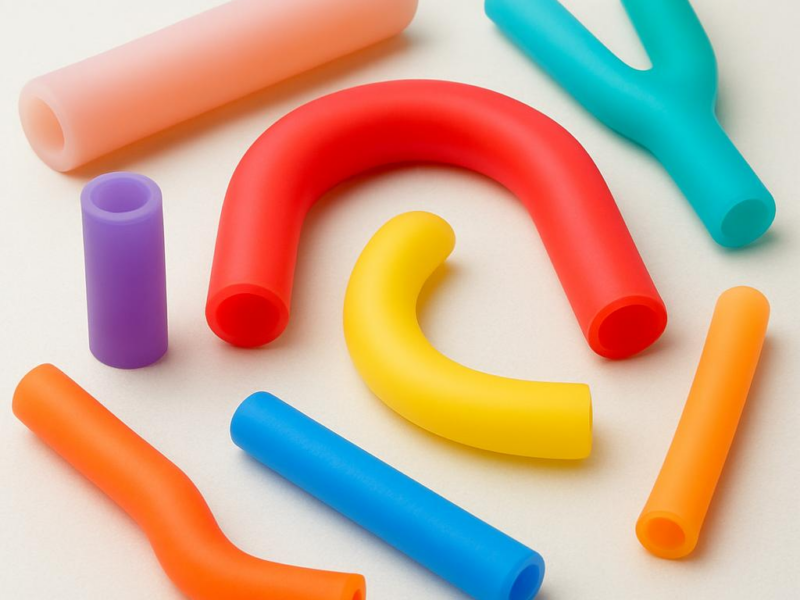
Inflatable seals are crafted from elastomeric materials such as rubber compounds, which allow them to inflate and deflate with ease. Generally, these seals consist of an inflation cavity, which can be pressurized using air or liquid. As pressure fills the cavity, the seal expands until it contacts the surrounding surface, creating a tight seal. When the pressure is released, the seal deflates to its original position, allowing for easy removal or repositioning.
Advantages of Inflatable Seals
The adaptability of inflatable seals makes them a preferred choice in many industries. One of the key advantages is their ability to conform to irregular shapes and surfaces, ensuring consistent sealing even in challenging conditions. This makes them ideal for applications where traditional seals might fail due to misalignment or surface imperfections.
Moreover, inflatable seals can handle high and low temperatures, pressures, and chemical exposures, making them ideal for harsh operating environments. These seals are also reusable, adding to their economic and environmental benefits.
Applications Across Various Industries
Inflatable seals have diverse applications in numerous industries, offering customized solutions for specific needs. Here’s a closer look at some key sectors where inflatable seals are prominently used:
Manufacturing and Automated Systems
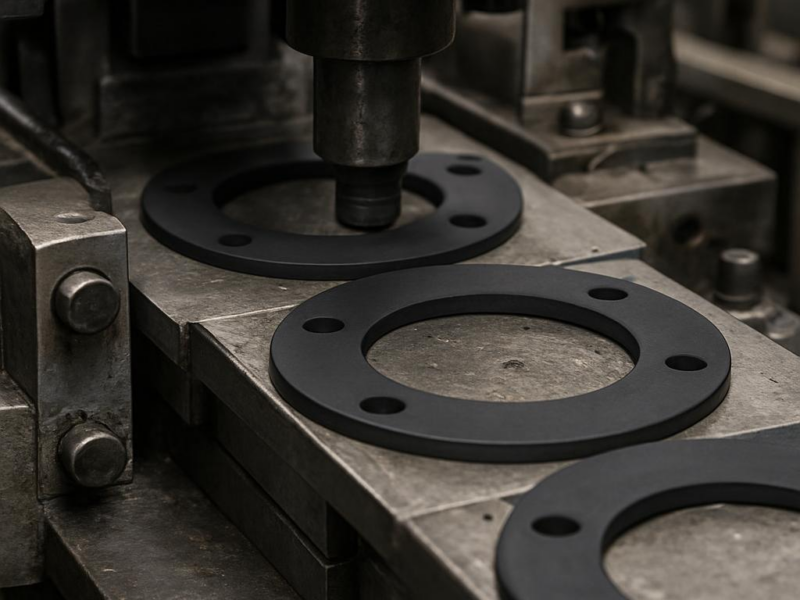
In manufacturing, inflatable seals provide efficient sealing solutions for automated systems where regular replacement or adjustment of seals is impractical. They are used in machinery and equipment that require frequent changeovers, reducing downtime and increasing productivity. The flexibility of these seals in adapting to different machine parts minimises wear and tear, thereby extending the lifespan of machinery.
Marine Applications
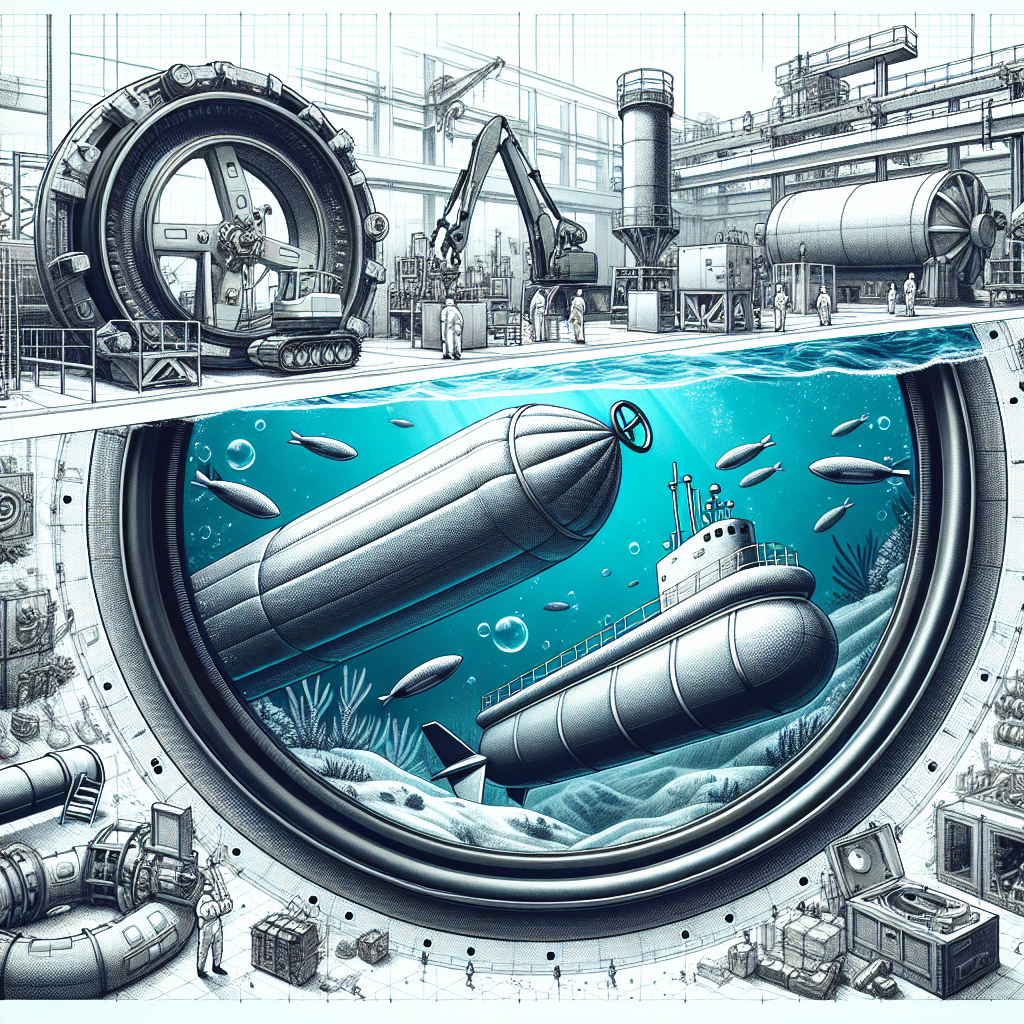
In the maritime industry, inflatable seals are used for watertight seals on doors, hatches, and bulkheads, offering robustness and resilience under oceanic conditions. Being able to withstand both freshwater and saltwater exposure, inflatable seals are integral to ensuring operational safety on vessels.
Medical and Pharmaceutical Industries
In demanding environments like medical and pharmaceutical settings, inflatable seals offer contamination control in workspaces such as cleanrooms. Their capacity to provide reliable seals in controlled environments safeguards against contamination, ensuring the integrity of sensitive processes and products. Moreover, inflatable seals can be sterilized easily, maintaining hygiene standards crucial to these industries.
Why Choose Inflatable Seals?
Choosing inflatable seals can significantly enhance operational efficiency due to their unique ability to adapt to varied conditions. Their flexibility, adaptability to diverse shapes, and durability against environmental stress make them standout in their functionality. They offer significant cost advantages by reducing maintenance and replacement frequency, thus providing a long-term solution in dynamic operations.
For customized needs, inflatable seals can be engineered to meet exact specifications, making them a versatile tool for tackling complex sealing challenges. They also contribute to sustainability goals by being reusable and supporting longer-lasting equipment.
Innovations Driving Future Use
As technology progresses, the applications and designs of inflatable seals continue to evolve. Advancements in materials science are enhancing the performance of inflatable seals, making them more resilient to extreme conditions and more adaptable to diverse applications. New developments are enabling these seals to integrate with smart technologies, providing real-time monitoring of pressure and temperature changes that can enhance safety and efficiency.
In addition, the increasing demand for automated systems is paving the way for novel applications of inflatable seals, making their role even more critical in future innovations. By choosing inflatable seals, industries can be at the forefront of technological advancements by leveraging their inherent benefits in versatile and challenging environments.