Vulcanized gaskets are an essential component in many industrial applications due to their durability and resistance to extreme conditions. These gaskets have revolutionized how industries manage seals and ensure efficiency and safety in various mechanical systems. Whether you are involved in the automotive, aerospace, or manufacturing industry, understanding vulcanized seals can significantly enhance your operational capabilities.
Understanding the Basics of Vulcanized Gaskets
Vulcanization is a chemical process for converting rubber into more durable materials by adding sulfur or equivalent curatives. During this process, raw rubber is transformed into a strong and elastic material that resists heat, weather conditions, and aging. Vulcanized gaskets are created using this method to provide a tighter seal and enhanced longevity, revolutionizing sealing solutions.
Benefits of Vulcanized Seals
One of the primary advantages of vulcanized seals is their exceptional resistance to extreme temperatures. This makes them an excellent choice for applications that involve high heat or cold environments. Furthermore, vulcanized gaskets exhibit a remarkable ability to resist chemicals, oils, and solvents, making them particularly valuable in industries like automotive and chemical manufacturing.
Another significant benefit is their superior elasticity and flexibility. Vulcanized seals maintain their shape and effectiveness even when subjected to substantial mechanical stress, ensuring reliable performance over extended periods. This trait reduces frequent maintenance and replacements, ultimately saving costs and downtime.
Applications in Various Industries
Vulcanized gaskets are prevalent in diverse sectors due to their resilience and effectiveness. In the automotive industry, these gaskets are used in engines to prevent leaks and withstand high temperatures. Similarly, the aerospace industry relies on vulcanized seals to ensure airtight compartments in aircraft, contributing to safety and efficiency.
Moreover, the manufacturing industry often employs vulcanized gaskets in machinery and equipment that requires a reliable seal to prevent contamination and enhance operational efficiency. By investing in vulcanized gaskets, companies can ensure enhanced performance and longevity of their equipment.
The Vulcanization Process Explained
The vulcanization process transforms rubber into more durable materials through a controlled chemical reaction. This reaction entails heating raw rubber with sulfur, accelerators, and other agents. Through vulcanization, the rubber’s physical properties are vastly improved, resulting in a product that is both elastic and robust.
Steps in the Vulcanization Process
- Mixing: First, raw rubber is mixed with sulfur and other additives to prepare it for the vulcanization process.
- Heating: The mixture is then exposed to elevated temperatures, activating the vulcanizing agents.
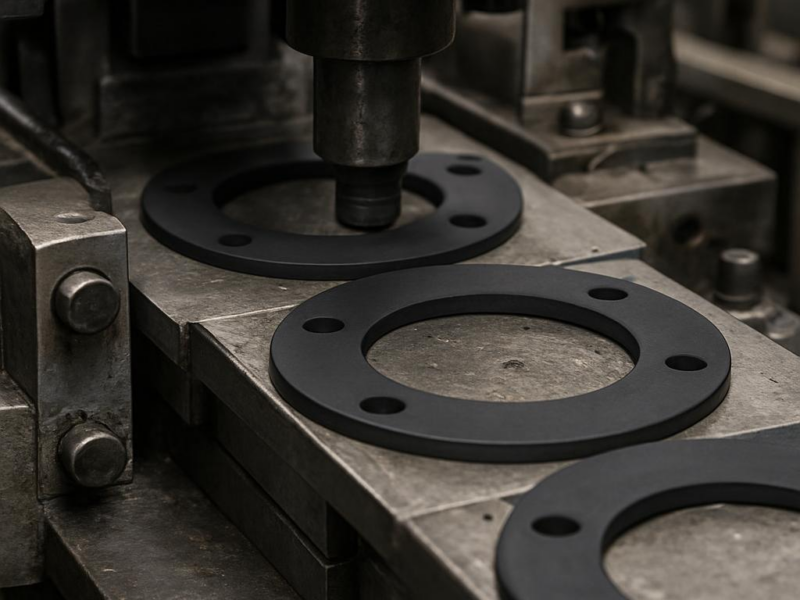
- Molding: The heated mixture is molded into the desired shape, like a gasket, under pressure.
- Cooling: Once the rubber is molded, it is cooled to ensure the shape is retained.
This method enhances the rubber’s resilience against environmental factors and mechanical stress, making it an essential material for various industrial applications.
Choosing the Right Vulcanized Gaskets
When selecting vulcanized gaskets, it’s crucial to consider the specific requirements and conditions under which they will operate. The material composition, size, and application environment will dictate the appropriate type of gasket. Consulting with experts and suppliers can assist in choosing the best gaskets for your needs.
Key Factors to Consider
- Material compatibility: Ensure the gasket material is compatible with the substances to be sealed.
- Temperature resistance: Select gaskets that can withstand the operating temperatures of the application.
- Pressure ratings: Choose gaskets that can endure the operational pressure levels.
By paying attention to these factors, you can maximize the efficiency and durability of your seals.
Environmental and Safety Considerations
The vulcanization process and the gaskets produced should align with environmental and safety standards. Ensuring that the materials and chemicals used are environmentally friendly and safe for workers is crucial. Many companies are now adopting more sustainable practices in creating vulcanized gaskets. This shift not only improves environmental impact but also enhances the company’s reputation and compliance with regulations.
Advancements in Technology
Innovations in materials and processes have opened new possibilities for vulcanized gaskets, enhancing their application scope and efficiency. These technological advancements continually improve sealing solutions, offering better performance and environmental sustainability.
In conclusion, understanding the intricacies of vulcanized gaskets can offer immense benefits for industrial applications. Their durability, resistance, and flexibility make them invaluable in ensuring operational safety and efficiency. Keeping abreast of advancements in materials and processes can further optimize their use, offering continued value across various sectors.