Silicone co-extrusion represents a remarkable advancement in materials engineering, significantly impacting industries from automotive to healthcare. This sophisticated process enables the fusion of multiple silicone materials into a single, seamless product, ensuring enhanced performance and durability. With growing applications, understanding the benefits and intricacies of co-extrusion is crucial for industries aiming to leverage its unique properties.
Understanding Silicone Co-Extrusion
The process of silocone co-extrusion involves the simultaneous extrusion of more than one silicone material through a single die. This innovative method creates a unified product that combines the characteristics of different silicones into a single, seamless component.
The Basic Principle of Co-Extrusion
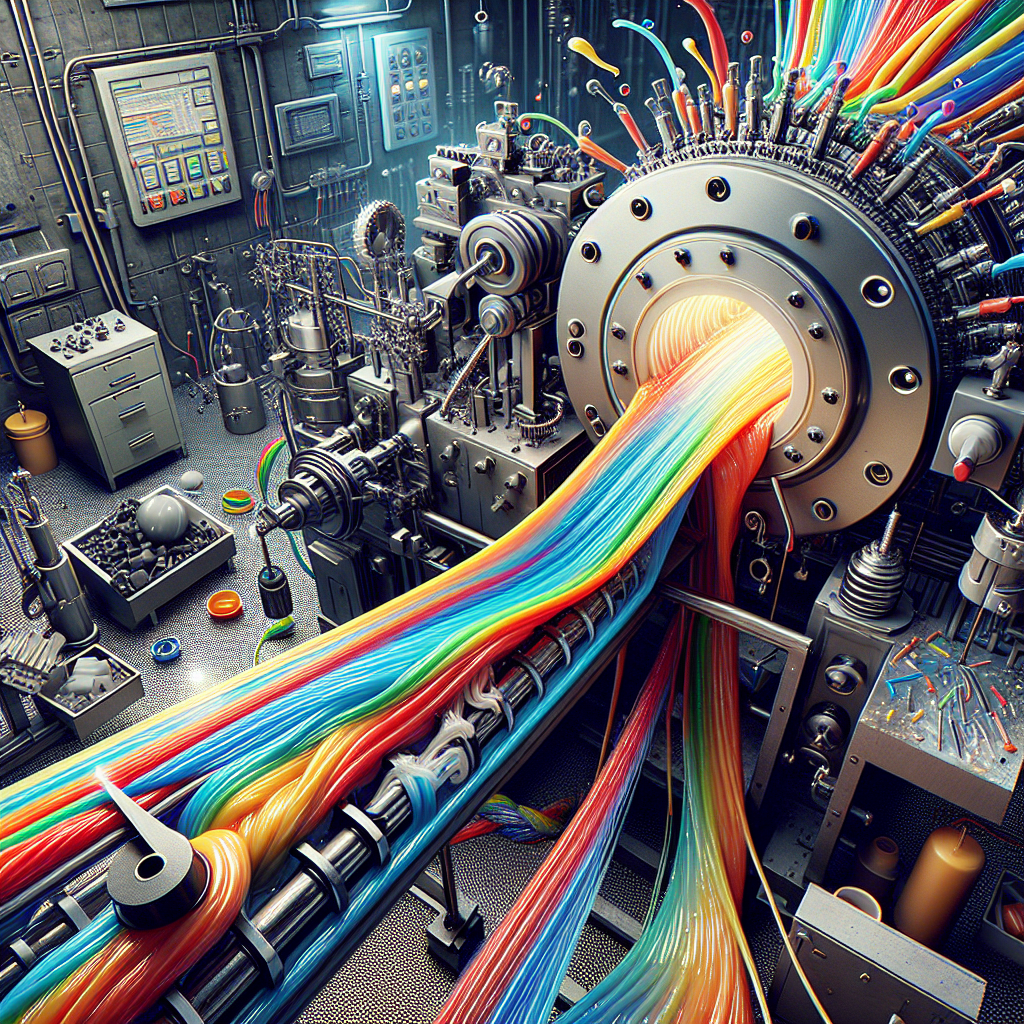
At its core, co-extrusion is about merging different silicone materials at varying viscosities and properties into a cohesive structure. This integration typically involves the use of specialized machinery that feeds the materials into a die, allowing them to combine while maintaining distinct yet complementary properties.
Key Benefits of Co-Extrusion
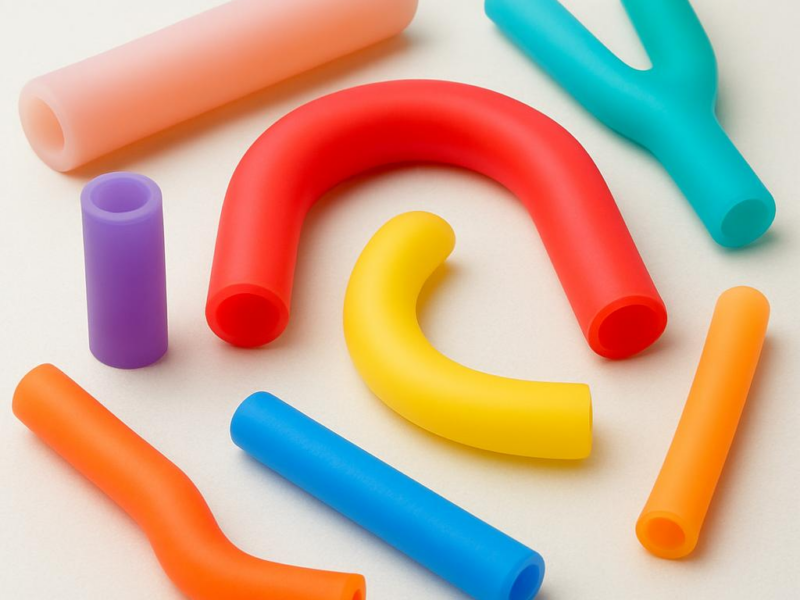
One of the primary advantages is the ability to introduce multi-functional properties into a single product. For example, a single tubing could have both a soft and rigid section, catering to diverse needs without needing multiple components. This efficiency reduces manufacturing complexities and cost, a major benefit for industries aiming to streamline production.
Applications in Various Industries
Silicone co-extrusion finds a significant place across multiple fields. It’s particularly invaluable in sectors where performance and durability are non-negotiable.
Automotive Industry
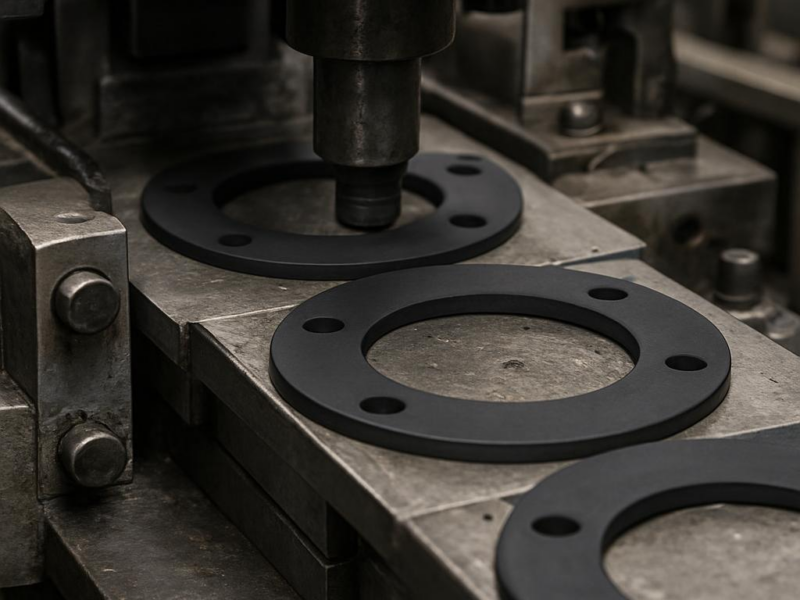
In the automotive sector, co-extrusion is used to produce durable and flexible seals that resist temperature fluctuations and exposure to various chemicals. Whether it’s door seals or under-hood components, the ability to fine-tune material performance ensures longevity and reliability.
Healthcare Sector
In medical device manufacturing, co-extrusion aids in creating sophisticated tubing that can house multiple functionalities within a single structure. This is especially pivotal in catheter production, where sections of varying hardness and flexibility are essential.
Consumer Products
For consumer goods, the method enables the creation of products that combine comfort and functionality, such as ergonomic grips with soft-touch surfaces and firm cores. With co-extrusion, manufacturers can enhance user experience without compromising on design or efficiency.
Technical Aspects of Co-Extrusion
Diving deeper into how co-extrusion works technologically, understanding the machinery involved illuminates why this process is so effective.
Machinery and Techniques
The machinery used in co-extrusion is designed to precisely control the flow of different silicone types into a cohesive output. This fusion is critical when different material properties need to be combined without altering individual performance characteristics. Advanced technology ensures that each material is handled at the correct temperature and pressure, preserving its unique properties.
Material Compatibility and Selection
Material selection is pivotal, as not all silicones can be co-extruded together. Compatibility in terms of melting point, viscosity, and bonding ability must be assessed. The more congruent these properties, the more effective the co-extrusion process, enabling seamless product formation.
Recent Developments in Co-Extrusion Technology
The field of co-extrusion is constantly evolving, with developments aimed at increasing efficiency, reducing energy use, and enhancing material properties.
Integration with Additive Manufacturing
One of the most exciting trends is the integration of co-extrusion with additive manufacturing. This hybrid approach enhances the ability to create complex geometries that were previously unachievable. As developments progress, it’s clear that co-extrusion will continue to broaden the scope of what’s possible.
Advancements in Automation
The rise of automation in co-extrusion processes offers increased precision and repeatability. Automated systems provide tighter tolerances and ensure consistency across large production runs, indispensable in high-demand sectors like automotive and healthcare.
The Environmental Impact of Co-Extrusion
As sustainability becomes a growing concern, co-extrusion offers environmental benefits by reducing material waste and energy consumption.
By enabling manufacturers to precisely control the composition and structure of products, co-extrusion minimizes waste and enhances recyclability, aligning with modern environmental goals. This not only benefits the ecosystem but also helps companies adhere to increasingly stringent environmental regulations.
By exploring the full potential of silicone co-extrusion, industries can unlock new levels of innovation and performance, designing products that meet the sophisticated demands of today’s dynamic markets. The future of material design is heavily influenced by advancements in co-extrusion, promising an era of unprecedented possibilities and solutions.