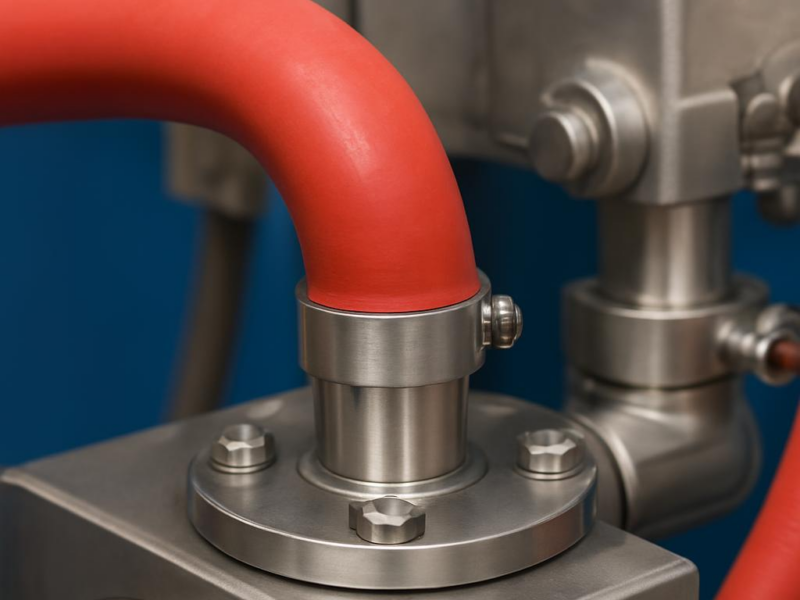
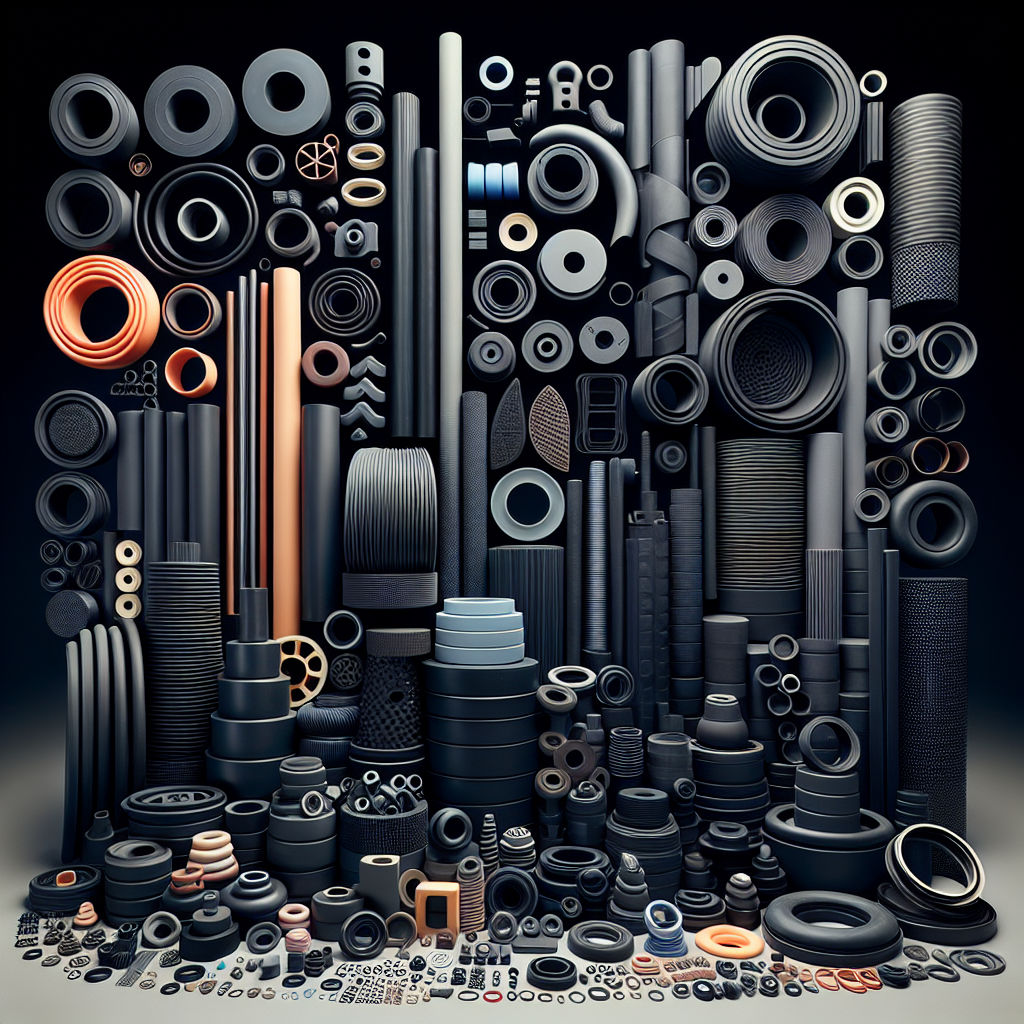
Rubber profiles, also known as extruded rubber profiles, are essential components used across various industries. Their benefits range from sealing applications to providing insulation and vibration dampening solutions. Designed for functionality and durability, rubber profiles are indispensable in manufacturing, construction, and automotive sectors. They serve crucial roles in maintaining integrity and performance of systems while ensuring safety and efficiency.
Understanding Rubber Profiles
Rubber profiles are sections of rubber that are extruded into specific shapes and sizes. These profiles are versatile and can be customized according to requirements, providing flexibility in their application. The manufacturing process typically involves forcing the rubber through a die of the desired cross-sectional shape, followed by vulcanization to enhance performance characteristics like elasticity, tensile strength, and temperature resistance.
Types of Rubber Profiles
There are various types of rubber profiles, and each has its unique advantages:
- Solid Rubber Profiles: These are used in heavy-duty sealing applications requiring robustness and reliability.
- Sponge Rubber Profiles: Known for their cushioning properties, they are often used for insulation and noise reduction.
- Silicone Profiles: Representing a significant portion of the rubber profile market, silicone profiles are known for their excellent resistance to extreme temperatures, UV, and ozone. To explore silicone profiles, visit silicone profile.
The Manufacturing Process
The production of rubber profiles involves several critical steps to ensure quality and precision:
- Material Selection: Choosing the appropriate rubber type is crucial. For instance, EPDM is favored for its weather resistance, while silicone is often selected for medical or food industry applications due to its safety and heat resistance.
- Extrusion Process: The rubber compound is fed into an extruder, heated, and then forced through a shaped die to create the desired profile.
- Vulcanization: This process enhances the mechanical properties of the rubber, making it more durable and elastic.
- Finishing: Profiles may be cut to length, have additional processes applied (such as adhesive backing), or be combined with other materials for enhanced performance.
Applications and Benefits of Rubber Profiles
Rubber profiles are extensively utilized in numerous applications:
- Automotive Industry: Used for seals in doors and windows, preventing water entry and reducing noise.
- Construction: Provide sealing solutions in roofing systems, windows, and facades, maintaining energy efficiency by reducing air leaks.
- Aerospace: Lightweight silicone profiles are used for insulation and low-outgassing seals.
- Electronics: As gaskets in electronic devices, rubber profiles offer excellent environmental protection.
- Medical: With safe and hygienic properties, silicone profiles are employed in medical devices and equipment.
The primary benefit of rubber profiles is their ability to provide reliable, long-lasting sealing solutions across diverse conditions, enhancing the performance and lifespan of various systems and structures.
Customization and Design
Customization is a key aspect of rubber profiles, allowing manufacturers to meet the specific needs of their clients. This can involve varying the hardness, color, size, and shape of the profiles to suit different applications. Such customization ensures optimal performance and compatibility, offering solutions that are finely tuned to specific challenges and demands.
Environmental and Economic Benefits
Using rubber profiles has significant environmental and economic advantages:
- Resource Efficiency: These profiles contribute to energy conservation by improving insulation and reducing air leakage.
- Longevity: Durable rubber materials extend the lifespan of products, reducing the need for replacement and lowering waste.
- Recyclability: Many rubber profiles, especially those based on single-material composites like silicone, can be recycled effectively.
This not only aligns with sustainable practices but also helps reduce costs associated with maintenance and energy consumption.
Conclusion
Rubber profiles play a crucial role in ensuring the reliability and integrity of a wide range of products. Their adaptability, durability, and efficiency make them invaluable in industrial applications. From silicone profiles to sponge or solid variants, these components are essential for providing high-performance sealing solutions.