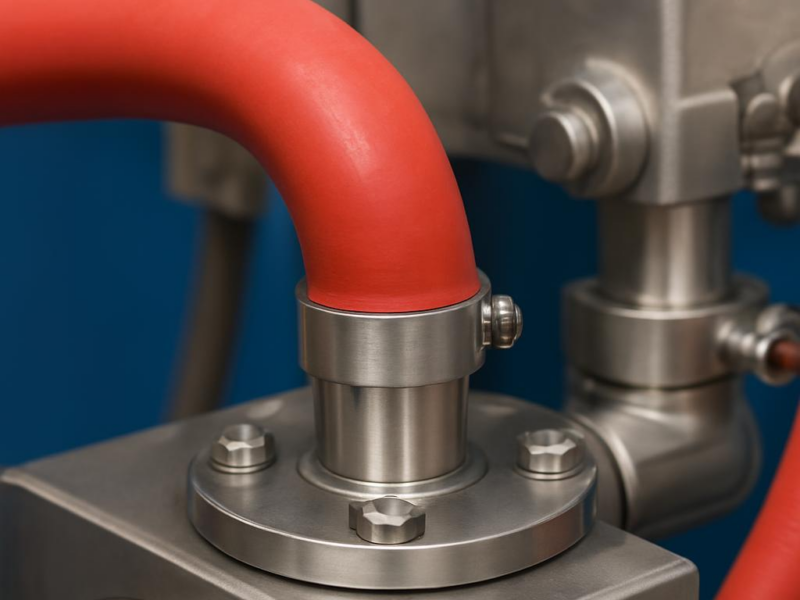

Foamed silicone cords, often referred to as silicone foam cords, have gained significant popularity in various industries due to their exceptional properties and versatility. They are designed to provide solutions in environments where sealing, cushioning, and insulation are paramount. This article delves into the characteristics and applications of silicone foam cords, demonstrating why they are an indispensable component in many sectors.
Understanding Silicone Foam Cords
Silicone foam cords are cylindrical-shaped seals crafted from silicone-based material that is expanded through a foaming process. This process introduces closed cells within the silicone, resulting in a lightweight yet robust product that offers excellent performance under multiple conditions. The foaming mechanism imbues the silicone with unique properties that are highly sought after.
Properties of Silicone Foam Cords
One of the defining characteristics of silicone foam cords is their remarkable thermal insulation. They can withstand a wide temperature range, from as low as -60°C to as high as 230°C, without losing their physical integrity or performance. This makes them ideal for applications requiring high temperature resistance. Additionally, their resistance to UV rays and ozone ensures longevity even when used outdoors.
These cords possess excellent compressibility, allowing them to create a tight seal even in irregular or uneven surfaces. The resilience of the material ensures that it returns to its original shape and size after compression is released. Moreover, their elasticity provides a degree of shock absorption, making them suitable for cushioning applications.
Furthermore, silicone foam cords are inherently non-toxic and resistant to fungus growth, which makes them suitable for applications in health and food industries. Their low chemical reactivity and resistance to a wide range of substances further enhance their versatility.
Applications of Silicone Foam Cords
The versatility of silicone foam cords means they can be used in a multitude of applications. One of the primary uses is in the construction and automotive sectors where they act as seals or gaskets. In the construction industry, they effectively seal gaps between building materials, while in the automotive industry they contribute to the sealing and insulation of components like doors and windows.
Due to their thermal and chemical resistance, silicone foam cords are also used in sealing and gasket solutions for electronic devices. These cords protect sensitive components from dust, water, and other environmental factors. They ensure a longer lifespan for electronic devices by preventing the infiltration of harmful elements.
Another significant application is in the food and medical industries. For instance, silicone foam cords are employed in situations where contact with food or medical supplies is necessary. Their non-reactive nature ensures that they do not contaminate the products they come into contact with, maintaining the integrity of the supply.
Installation and Maintenance
Installing silicone foam cords is relatively straightforward. These cords can be custom-cut to fit specific dimensions, ensuring a snug fit in desired applications. One crucial factor in installation is ensuring the surface where the cord is to be applied must be clean and free from debris or oil to maximize the sealing effectiveness.
Maintenance of silicone foam cords is minimal due to their durability. Regular checks for wear and tear should be conducted especially in high-stress applications. Nevertheless, their longevity means that replacements are infrequently needed.
Environmental Impact and Advantages
The environmental impact of using silicone foam cords is relatively low compared to other sealing materials. Silicone is a highly sustainable material, it comes from sand (silica) and its production leaves a minimal carbon footprint. Furthermore, due to its durability, the need for frequent replacement is reduced, resulting in lesser waste over time.
Using silicone foam cords contributes to energy efficiency. Their insulation properties help maintain temperature, reducing the demand for heating or cooling in structures where they are employed. Similarly, in vehicles, they improve aerodynamics and insulate against temperature, contributing to fuel efficiency.
Conclusion
In conclusion, silicone foam cords serve a myriad of functions across various domains due to their versatile properties. Their ability to provide high-quality sealing, insulation, and cushioning makes them an ideal solution in many industries. With ongoing advancements and increased awareness of their benefits, silicone foam cords are likely to see an expansion in their applications and continue to play a critical role in technical and commercial advancements.